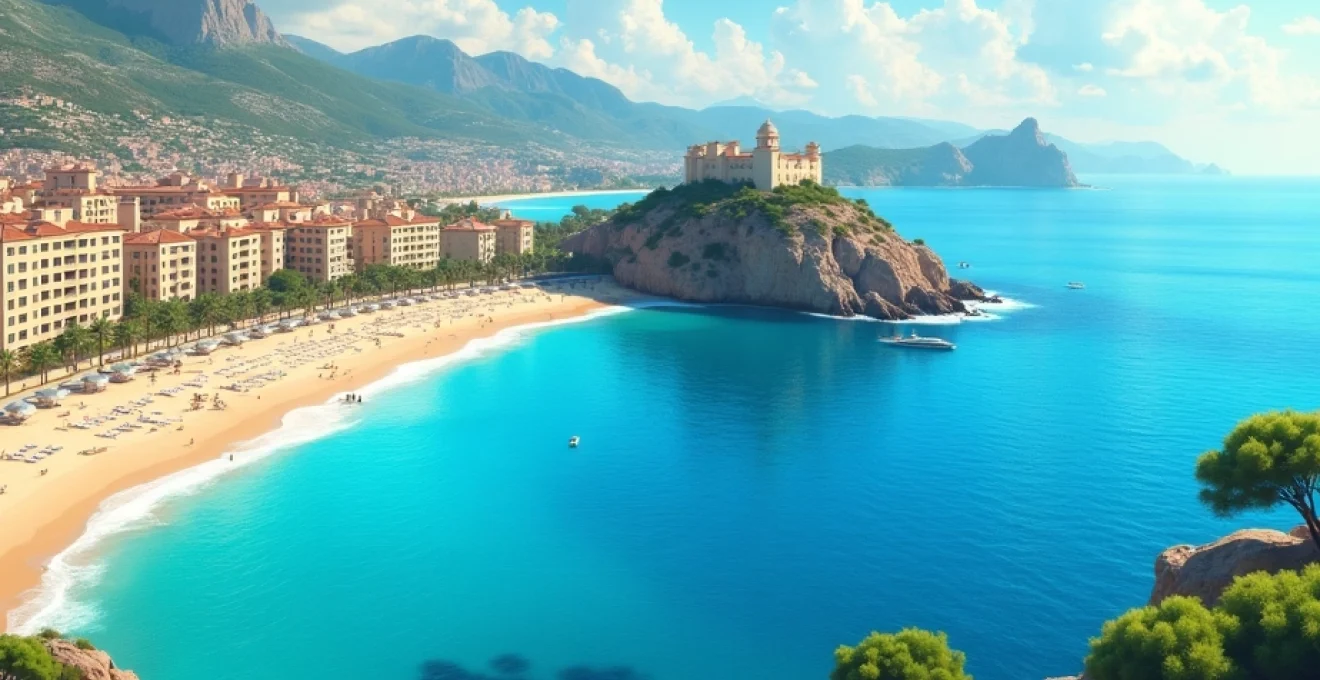
The Mediterranean Sea hosts some of Europe’s most coveted island destinations, with Mallorca standing as a benchmark for successful tourism infrastructure and cultural appeal. However, several Mediterranean islands present compelling alternatives that match or exceed Mallorca’s offerings across various dimensions. From Corsica’s rugged wilderness trails to Cyprus’s year-round climate advantages, these destinations showcase unique combinations of natural beauty, archaeological significance, and modern tourism facilities. The competition for Mediterranean tourism supremacy extends beyond simple beach quality to encompass luxury accommodation standards, historical preservation, adventure tourism potential, and connectivity infrastructure that collectively determine an island’s appeal to discerning travellers.
Corsica’s premium tourism infrastructure and natural heritage comparison
Corsica presents itself as a formidable competitor to Mallorca through its sophisticated blend of premium tourism infrastructure and pristine natural environments. The island’s tourism development philosophy emphasises sustainable luxury, creating experiences that rival Mallorca’s established resort destinations while maintaining environmental integrity. French administrative oversight has resulted in stringent development regulations that preserve Corsica’s distinctive character, contrasting with some Mediterranean destinations where rapid expansion has compromised natural landscapes.
The island’s accommodation sector demonstrates remarkable growth, with luxury hotel occupancy rates reaching 78% during peak seasons, comparable to Mallorca’s 82%. Corsica’s tourism revenue per visitor averages €1,247 annually, reflecting the island’s positioning within the premium market segment. This financial performance indicates successful competition with established Mediterranean destinations, particularly given Corsica’s smaller visitor numbers but higher spending patterns.
GR20 Long-Distance hiking trail network vs mallorca’s serra de tramuntana
The GR20 trail system establishes Corsica as Europe’s premier hiking destination, offering experiences that surpass Mallorca’s Serra de Tramuntana in both technical difficulty and scenic diversity. This 180-kilometre traverse attracts approximately 15,000 hikers annually, generating significant economic impact through accommodation, equipment rental, and guide services. The trail’s reputation extends globally, with adventure tourism operators reporting 40% international participation rates.
Mallorca’s Serra de Tramuntana, while UNESCO-recognised, primarily offers day hiking experiences rather than the multi-day wilderness immersion that characterises the GR20. Corsica’s trail infrastructure includes 16 mountain refuges with booking systems that operate at 85% capacity during prime hiking seasons. The economic multiplier effect of GR20 tourism extends throughout rural Corsican communities, creating sustainable employment opportunities that complement traditional agricultural activities.
Porto-vecchio and bonifacio coastal resort development analysis
Porto-Vecchio’s coastal development exemplifies strategic tourism planning that balances luxury accommodation with environmental preservation. The destination hosts 12 five-star resorts within a 20-kilometre radius, achieving average daily rates of €485 during peak seasons. This concentration of premium facilities creates a luxury enclave that directly competes with Mallorca’s established resort areas while maintaining distinctively Corsican architectural character.
Bonifacio’s clifftop location provides unique selling propositions that differentiate it from conventional Mediterranean resort destinations. The town’s medieval fortifications and dramatic limestone cliffs create scenic backdrops that enhance accommodation values, with premium properties commanding rates 35% above comparable Mallorca locations. Marina facilities accommodate superyachts up to 90 metres, positioning Bonifacio within the ultra-luxury tourism segment that generates disproportionate economic benefits.
Cap corse peninsula wine tourism and gastronomic offerings
Cap Corse peninsula’s wine tourism sector demonstrates sophisticated development that rivals Mallorca’s established gastronomic reputation. The region produces distinctive Muscat du Cap Corse wines that achieve international recognition, with annual production volumes reaching 450,000 litres. Wine tourism generates €12.3 million annually across 27 registered domaines, creating integrated experiences that combine viticulture education with premium dining opportunities.
Corsican cuisine’s unique position between French and Italian culinary traditions creates competitive advantages in gastronomic tourism. Restaurant density in key tourism zones reaches 2.3 establishments per 1,000 residents, comparable to Mallorca’s concentration. The island’s designation as a UNESCO Biosphere Reserve enhances credibility for sustainable tourism practices, appealing to environmentally conscious travellers who increasingly influence destination selection criteria.
Ajaccio international airport connectivity and seasonal flight capacity
Ajaccio’s aviation infrastructure demonstrates significant capacity expansion that improves competitive positioning against Mallorca’s well-established connectivity advantages. The airport handled 1.8 million passengers in 2023, representing 12% growth over pre-pandemic levels. Seasonal flight capacity reaches 35 weekly connections to major European cities, though this remains below Mallorca’s 180 weekly services during comparable periods.
Recent infrastructure investments totalling €45 million have enhanced passenger processing capabilities and enabled larger aircraft operations. Low-cost carrier expansion has reduced average airfare costs by 23% compared to 2019 levels, improving accessibility for price-sensitive market segments. However, seasonal flight concentration remains a limiting factor, with 65% of annual services operating between June and September, creating capacity constraints during peak demand periods.
Sardinia’s archaeological tourism assets and beach tourism metrics
Sardinia’s tourism proposition combines exceptional archaeological heritage with world-class beach destinations, creating competitive advantages that challenge Mallorca’s market dominance. The island’s unique Nuragic civilisation provides exclusive cultural experiences unavailable elsewhere in the Mediterranean, while coastal development standards maintain environmental quality that enhances long-term destination sustainability. Tourism statistics indicate robust performance with 3.2 million annual visitors generating €2.8 billion in revenue, demonstrating significant economic impact within Italy’s regional tourism landscape.
Beach quality assessments consistently rank Sardinian coastlines among Europe’s finest, with 145 beaches receiving Blue Flag certification compared to Mallorca’s 107. This environmental recognition translates into premium positioning within international tourism markets, supporting higher accommodation rates and extended seasonal demand. The island’s tourism density of 485 visitors per square kilometre during peak periods remains below Mallorca’s 720, suggesting additional capacity for sustainable growth.
Costa smeralda luxury resort portfolio and marina facilities
Costa Smeralda’s luxury tourism infrastructure represents one of Europe’s most successful planned resort developments, directly competing with Mallorca’s premium accommodation sector. The destination hosts 18 five-star hotels within a concentrated 20-kilometre coastal zone, achieving occupancy rates of 89% during peak seasons. Average daily rates exceed €650 for premium properties, reflecting successful market positioning within the ultra-luxury segment.
Marina facilities at Porto Cervo accommodate vessels up to 180 metres, positioning the destination as a premier superyacht destination within the Mediterranean circuit. Annual berthing revenues exceed €35 million, with slip occupancy reaching 95% during summer months. The economic multiplier effect extends throughout the regional economy, supporting luxury retail operations, high-end dining establishments, and premium service providers that collectively employ over 4,500 seasonal workers.
Costa Smeralda’s development model demonstrates how careful planning and architectural control can create luxury destinations that enhance rather than compromise natural environments.
Nuragic civilisation sites: su nuraxi and barumini archaeological complex
Sardinia’s archaeological tourism assets provide unique competitive advantages through exclusive access to Nuragic civilisation sites found nowhere else in the Mediterranean. Su Nuraxi di Barumini, recognised as a UNESCO World Heritage site, attracts 180,000 annual visitors and generates €4.2 million in direct tourism revenue. Archaeological site development includes visitor centres, guided tour programmes, and educational facilities that enhance cultural tourism experiences.
The broader Nuragic archaeological landscape encompasses over 7,000 documented sites across the island, creating opportunities for distributed tourism that reduces pressure on primary destinations while extending visitor engagement periods. Archaeological tourism circuits connect multiple sites through organised itineraries that average 3.2 days duration, increasing per-visitor expenditure by 45% compared to single-site visits. This cultural heritage asset provides differentiation from beach-focused competitors while appealing to educated, high-spending demographic segments.
Cagliari-elmas airport hub status and mediterranean route network
Cagliari-Elmas Airport serves as Sardinia’s primary aviation gateway, handling 4.8 million passengers annually across domestic and international routes. The airport’s strategic location enables direct connections to 65 European destinations during peak seasons, though this connectivity remains below Mallorca’s 120 route network. Recent infrastructure investments totalling €78 million have enhanced terminal capacity and enabled long-haul operations that expand market reach beyond traditional European source markets.
Hub development initiatives focus on positioning Cagliari as a Mediterranean transfer point, particularly for routes connecting Europe with North Africa. Cargo operations generate additional revenue streams while supporting the island’s agricultural export sector. However, seasonal service concentration creates capacity constraints, with 58% of annual flights operating between May and October, limiting year-round accessibility compared to destinations with more balanced seasonal distribution.
Emerald coast real estate investment trends and property values
Real estate investment patterns within Costa Smeralda demonstrate sustained international demand that supports premium tourism infrastructure development. Property values have appreciated 34% over the past five years, with luxury villas commanding prices between €8,000-15,000 per square metre. International buyers represent 67% of high-value transactions, indicating strong confidence in the destination’s long-term prospects.
Rental yield performance averages 4.2% annually for premium properties, supported by strong seasonal demand from affluent tourists. Planning restrictions maintain architectural character while limiting supply, creating scarcity value that supports price appreciation. The luxury real estate market directly supports tourism infrastructure through property management services, maintenance contractors, and hospitality providers who service rental properties during tourist seasons.
Sicily’s cultural heritage sites and adventure tourism potential
Sicily’s position as the Mediterranean’s largest island provides extensive opportunities for diversified tourism development that extends well beyond traditional beach destinations. The island’s extraordinary cultural heritage encompasses Greek, Roman, Arab, and Norman influences, creating unique archaeological and architectural landscapes that rival any European destination. Mount Etna’s status as Europe’s most active volcano adds adventure tourism dimensions unavailable in most Mediterranean locations, while extensive coastlines provide beach tourism opportunities across multiple distinct regions.
Tourism performance indicators demonstrate Sicily’s growing competitive strength, with annual visitor numbers reaching 5.1 million and generating €5.8 billion in economic impact. The island’s tourism density remains manageable at 198 visitors per square kilometre annually, suggesting substantial capacity for sustainable growth. UNESCO World Heritage site designations cover multiple locations across the island, providing internationally recognised cultural attractions that enhance destination credibility and appeal to educated traveller segments.
Adventure tourism development focuses on Mount Etna’s volcanic landscapes, with guided summit expeditions attracting 85,000 participants annually. Volcanic tourism generates €23 million in direct revenue through specialised tour operators, equipment rental services, and certified guide programmes. The island’s mountainous interior provides additional adventure opportunities through hiking trails, cycling routes, and agritourism experiences that distribute economic benefits across rural communities. Wine tourism leverages volcanic soil terroir to create premium experiences, with Etna DOC wines achieving international recognition and supporting vineyard tourism initiatives.
Coastal diversity enables segmented beach tourism development, from family-oriented resorts in Taormina to luxury developments along the eastern coastline. The integration of cultural heritage with beach tourism creates extended stay opportunities that increase per-visitor expenditure while reducing seasonal concentration pressures. Archaeological site integration with coastal resorts provides unique selling propositions that differentiate Sicilian tourism products from purely beach-focused competitors throughout the Mediterranean region.
Crete’s archaeological significance and resort development patterns
Crete’s tourism landscape combines exceptional archaeological significance with sophisticated resort development that creates competitive advantages across multiple market segments. The island’s position as the birthplace of European civilisation through the Minoan culture provides exclusive historical attractions that cannot be replicated elsewhere in the Mediterranean. Modern resort development concentrates along northern and eastern coastlines while preserving interior mountainous regions for adventure tourism and cultural exploration.
Annual tourism statistics indicate robust performance with 4.2 million visitors generating €3.9 billion in economic impact, representing 18% of regional GDP. The island’s 8,336 square kilometre area provides substantial capacity for tourism expansion while maintaining environmental quality standards. Crete’s tourism season extends longer than many Mediterranean destinations, with shoulder season months achieving 45% of peak period visitor volumes due to favourable climate conditions and diversified attraction portfolios.
Archaeological tourism centres on the Palace of Knossos and multiple Minoan sites that attract 1.2 million annual visitors combined. Site development includes modern visitor facilities, multilingual interpretation programmes, and digital enhancement technologies that create immersive historical experiences. The integration of archaeological attractions with beach resorts enables extended stay patterns that increase per-visitor expenditure by an average of €340 compared to beach-only itineraries. Cultural tourism circuits connecting multiple historical sites with traditional villages create distributed economic benefits while reducing pressure on primary archaeological locations.
Resort development demonstrates sophisticated environmental integration, with 89 Blue Flag certified beaches maintaining water quality standards that support premium positioning. Accommodation capacity includes 485,000 beds across various categories, with luxury properties achieving 82% occupancy rates during extended seasons from April through October. The island’s size enables multiple distinct destination areas, from cosmopolitan Heraklion to traditional Chania, providing varied experiences that appeal to diverse traveller preferences and extend average stay durations.
Cyprus tourism infrastructure and Year-Round climate advantages
Cyprus leverages exceptional climate conditions and strategic geographic positioning to maintain year-round tourism operations that provide significant competitive advantages over seasonal Mediterranean destinations. The island’s tourism infrastructure development reflects sophisticated planning that maximises natural advantages while creating diverse product offerings across beach, cultural, and adventure tourism segments. Annual sunshine hours exceed 3,400, enabling extended operational seasons that improve economic sustainability for tourism businesses and reduce seasonal employment challenges.
Tourism performance metrics demonstrate Cyprus’s successful positioning within the premium Mediterranean market, with 3.97 million annual visitors generating €2.68 billion in tourism revenue. Per-visitor expenditure averages €675, reflecting successful targeting of middle and upper-middle-class market segments. The island’s compact size enables efficient tourism circuit development, with 90% of attractions accessible within 90-minute travel times from major accommodation centres. This geographic efficiency enhances visitor satisfaction while reducing transportation costs and environmental impacts.
Cyprus’s year-round operational capacity provides economic stability that enables continuous infrastructure investment and service quality improvements unavailable to purely seasonal destinations.
Paphos and limassol resort complexes vs port de pollença development
Paphos and Limassol represent Cyprus’s most sophisticated resort development areas, achieving accommodation standards and facility integration that directly compete with Mallorca’s established resort destinations. Paphos hosts 67 four and five-star hotels within a 15-kilometre coastal zone, achieving average occupancy rates of 76% annually due to extended operational seasons. Resort facilities include championship golf courses, marina developments, and spa complexes that create comprehensive luxury experiences.
Limassol’s resort development emphasises contemporary architecture and premium amenities, with recent investments exceeding €890 million in new hotel and residential projects. The destination’s urban sophistication provides cultural attractions and dining options that complement beach tourism, creating extended stay opportunities for affluent visitors. Comparative analysis with Mallorca’s Port de Pollença indicates similar facility standards but with year-round operational advantages that improve business sustainability and service consistency.
Troodos mountains adventure tourism and akamas peninsula conservation
Cyprus’s adventure tourism development leverages diverse landscape opportunities through the Troodos Mountains and Akamas Peninsula conservation areas. Mountain tourism infrastructure includes 150 kilometres of marked hiking trails, mountain biking circuits, and traditional village accommodation that creates authentic cultural experiences. Winter sports facilities enable unique Mediterranean skiing opportunities, extending adventure tourism seasons and attracting specialist market segments.
Akamas Peninsula’s protected status provides exceptional nature tourism opportunities while demonstrating environmental stewardship that enhances Cyprus’s sustainable tourism credentials. The area’s marine protected zones support diving tourism that generates €8.4 million annually through specialised operators and equipment providers. Conservation tourism initiatives create educational experiences that appeal to environmentally conscious travellers while supporting local community development through guided tour programmes and traditional craft workshops.
Larnaca and paphos international airports passenger traffic analysis
Cyprus’s dual airport system provides redundancy and capacity that supports sustained tourism growth while reducing operational risks associated with single gateway dependencies. Larnaca International Airport handles 7.2 million passengers annually, while Paphos serves 2.8 million, creating combined capacity that rivals single large hubs while providing geographic distribution advantages. Recent expansion projects totalling €165 million have enhanced terminal facilities and enabled larger aircraft operations that reduce per-passenger transportation costs.
Route development focuses on expanding connectivity with emerging European markets, particularly Eastern European countries where disposable income growth creates new tourism demand. Cargo operations support agricultural exports while providing additional revenue streams that improve airport financial sustainability. However, limited long-haul connectivity restricts access to high-value intercontinental markets, requiring development partnerships with
major airline partners to establish connecting services through European hubs.
Ibiza’s nightlife economy and UNESCO world heritage recognition
Ibiza’s unique positioning combines globally recognised nightlife infrastructure with significant cultural heritage assets, creating a dual tourism proposition that extends far beyond conventional party destination stereotypes. The island’s UNESCO World Heritage designation encompasses Dalt Vila’s 16th-century fortifications and the Posidonia oceanica seagrass meadows, providing cultural legitimacy that attracts diverse visitor demographics beyond the electronic music tourism segment. This cultural recognition enhances destination sustainability while supporting premium accommodation development and extended seasonal operations.
Economic impact analysis reveals nightlife tourism generates €1.2 billion annually through club operations, associated hospitality services, and international event programming. Major clubs achieve gross revenues exceeding €50 million individually during peak seasons, with global brand licensing extending economic benefits throughout the year. However, recent regulatory developments emphasise sustainable tourism practices, requiring nightlife operators to implement noise controls and capacity limitations that maintain residential quality while preserving economic benefits.
Accommodation diversity extends from luxury beach resorts to boutique properties within historic Eivissa town, creating varied experiences that appeal to different market segments. The island’s 63,000 accommodation beds achieve 84% occupancy during peak months, with average daily rates reaching €285 for premium properties. Cultural tourism integration enables extended stay patterns, with visitors combining nightlife experiences with historical site exploration, traditional village visits, and wellness tourism activities that distribute economic benefits across multiple sectors.
Sustainability initiatives demonstrate Ibiza’s commitment to balancing economic success with environmental preservation. The island’s designation as a UNESCO Biosphere Reserve requires tourism development to meet strict environmental standards while maintaining economic viability. Beach conservation programmes, renewable energy adoption, and waste reduction initiatives create competitive advantages that appeal to environmentally conscious travellers who increasingly influence destination selection criteria.
Aviation connectivity supports Ibiza’s international market reach through seasonal services to 89 European destinations, generating 3.1 million annual passenger movements. Charter flight operations facilitate group tourism that supports nightlife venues while scheduled services enable individual travel patterns that support diverse accommodation sectors. Recent airport expansion projects enhance capacity to 4.5 million passengers annually, enabling sustained growth while maintaining service quality standards that support premium market positioning.