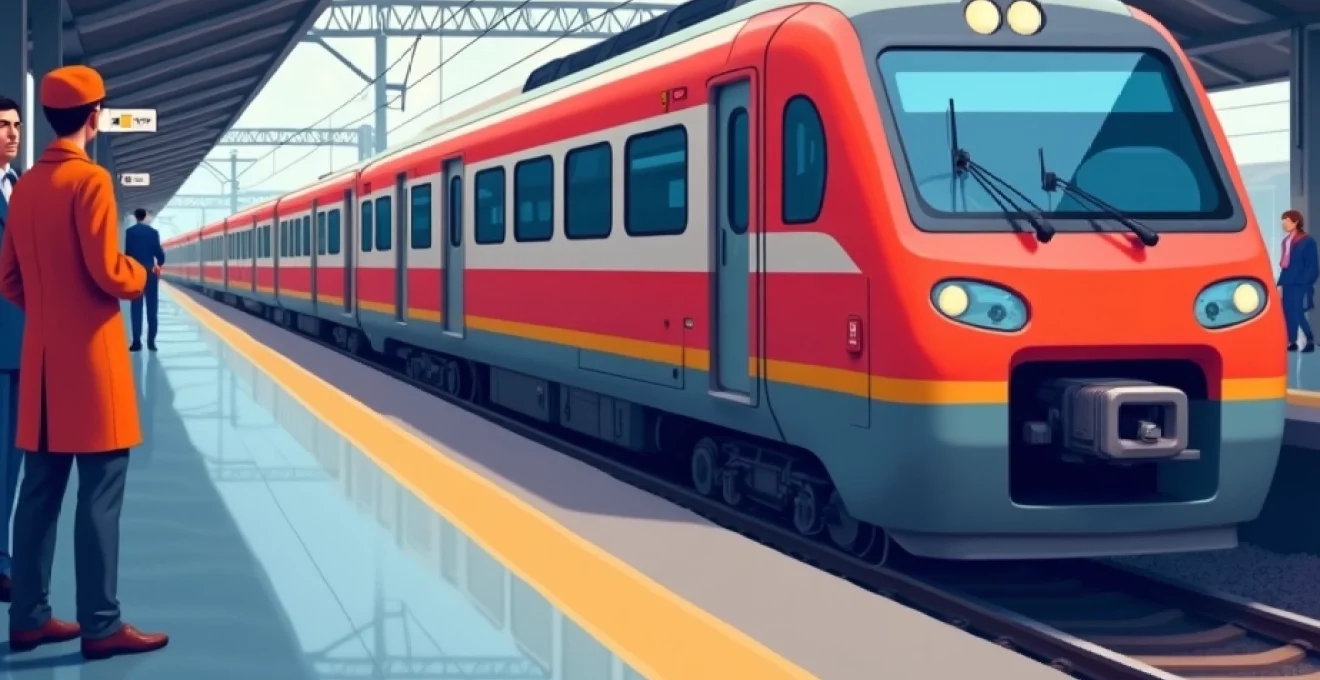
The high-speed rail connection between Amsterdam and Paris represents one of Europe’s most popular cross-border travel routes, offering passengers a seamless journey through the heart of continental Europe. With multiple purchasing channels available, travellers can secure their tickets through various platforms, each presenting distinct advantages and considerations. The Eurostar service, which replaced the former Thalys branding, operates these direct connections with departures up to 10 times daily, making advance booking essential during peak travel periods.
Understanding the diverse ticketing options available can significantly impact both your travel budget and convenience. From official railway platforms to third-party aggregators, each booking channel offers different pricing structures, cancellation policies, and additional services. The digital transformation of rail ticketing has revolutionised how passengers purchase international train tickets, with mobile applications and contactless payment systems becoming increasingly sophisticated.
Official thalys High-Speed rail service booking platforms
The primary official booking channels for Amsterdam to Paris rail travel provide the most comprehensive range of services and fare options. These platforms offer direct access to all available seat categories, from Standard class starting at £30.50 to Premier class with luxury amenities. The transition from Thalys to Eurostar branding has streamlined the booking process whilst maintaining the same high-speed service quality that passengers expect.
Thalys connect mobile application features and interface
The Thalys Connect mobile application, now integrated into the broader Eurostar ecosystem, provides a comprehensive booking platform optimised for smartphone users. The application features real-time scheduling updates, mobile ticket storage, and integrated payment processing supporting multiple European currencies. Users can access exclusive mobile-only promotions and receive push notifications about schedule changes or platform assignments.
The interface includes intelligent fare comparison tools that automatically display the most cost-effective travel options based on your selected dates. Advanced filtering capabilities allow passengers to sort results by departure time, journey duration, or price point, whilst the integrated loyalty programme tracking helps frequent travellers maximise their rewards accumulation.
SNCF connect international ticket purchasing system
SNCF Connect serves as the comprehensive booking portal for French national railways, extending its reach to international routes including the Amsterdam-Paris corridor. The platform distinguishes itself through its sophisticated dynamic pricing algorithms that adjust fares based on demand patterns, seasonal variations, and advance booking timeframes. Premium subscribers gain access to additional discounts and priority customer service channels.
The system’s multi-language support and currency conversion features make it particularly accessible for international travellers. Advanced seat selection tools enable passengers to choose specific seating arrangements, including family-friendly configurations and quiet zones for business travellers requiring a productive environment during their 3-hour 20-minute journey.
NS international dutch railways booking portal
NS International represents the Dutch national railway company’s dedicated international booking service, offering seamless integration with domestic Dutch rail networks. The platform excels in providing combination tickets that include local transport connections within the Netherlands, making it ideal for passengers beginning their journey outside Amsterdam city centre. The booking system automatically calculates optimal connection times and provides alternative routing options if disruptions occur.
The portal’s strength lies in its comprehensive route planning capabilities, which can incorporate multiple European destinations into a single booking. This feature proves particularly valuable for travellers planning extended European rail journeys, as the system can optimise connections and identify cost-saving opportunities across multiple international borders.
Eurostar direct booking integration for Amsterdam-Paris routes
The official Eurostar booking platform now encompasses the former Thalys routes, creating a unified booking experience for cross-Channel and continental European high-speed rail services. The platform’s sophisticated inventory management system provides real-time availability updates and dynamic pricing that reflects current demand levels. Business travellers particularly benefit from the platform’s corporate booking tools and expense management integration features.
The system’s loyalty programme integration allows passengers to accumulate and redeem points across the entire Eurostar network, extending from London to Amsterdam via Brussels and Paris. Premium class bookings include complimentary lounge access where available, and the platform provides detailed information about onboard amenities and catering services for each specific departure.
Third-party rail ticket distribution channels and aggregators
Third-party booking platforms have revolutionised rail ticket distribution by offering comparative pricing across multiple operators and providing additional services beyond basic ticket sales. These platforms typically charge booking fees ranging from £2 to £8 per ticket, but often justify these charges through superior customer service, flexible cancellation policies, and integrated travel planning tools.
Trainline commission structure and booking process
Trainline operates as Europe’s leading rail ticket aggregator, processing millions of bookings annually across 45 countries. The platform’s commission structure varies by route and operator, typically adding between 2-5% to the base fare plus a fixed booking fee. However, Trainline’s value proposition extends beyond simple ticket sales, offering comprehensive travel insurance options, mobile ticket storage, and 24/7 multilingual customer support.
The platform’s algorithmic pricing engine continuously monitors fare changes and can alert users when prices drop for their desired routes. Smart booking features include automatic seat assignment optimisation and group booking management tools that simplify coordination for business travel or leisure groups. The mobile application provides offline ticket access, ensuring passengers can board even without internet connectivity.
Omio Multi-Modal transport comparison engine
Omio distinguishes itself by providing comprehensive transport comparisons that include rail, bus, and air travel options for the Amsterdam-Paris route. The platform’s sophisticated comparison algorithms factor in total journey time, including station transfers and waiting periods, providing a realistic assessment of travel duration beyond the basic rail transit time. This holistic approach proves particularly valuable when flight delays or rail disruptions create uncertainty about optimal travel methods.
The booking process incorporates real-time availability from multiple operators, enabling passengers to compare Eurostar services with alternative transport modes. Environmental impact calculations help eco-conscious travellers understand the carbon footprint implications of their transport choices, with rail travel typically producing 90% fewer emissions than equivalent flights between Amsterdam and Paris.
Rail europe north american market specialist platform
Rail Europe has specialised in serving North American travellers planning European rail journeys for over three decades. The platform’s expertise in currency conversion, international payment processing, and North American customer service standards makes it particularly valuable for transatlantic visitors. The booking system automatically applies appropriate tax treatments and provides documentation suitable for business expense claims in North American corporate environments.
The platform’s group booking specialists can arrange complex multi-city itineraries and provide dedicated support for corporate travel programmes. Cultural bridge services include detailed explanations of European rail travel conventions, station navigation guides, and integration with North American travel insurance providers that offer comprehensive coverage for European rail travel.
Goeuro integration with european rail networks
GoEuro’s platform architecture focuses on seamless integration across European transport networks, providing unified booking for complex multi-modal journeys. The system can automatically coordinate timing between different transport operators, ensuring realistic connection times and providing alternative routing when delays occur. This capability proves particularly valuable for travellers combining the Amsterdam-Paris rail journey with onward connections to other European destinations.
The platform’s predictive analytics capabilities can forecast likely delays and suggest alternative departure times to minimise travel disruption. Advanced notification systems provide real-time updates about platform changes, delays, or alternative routing options, helping passengers navigate European transport networks with greater confidence and flexibility.
Physical ticket purchase locations in amsterdam
Despite the digital revolution in rail ticketing, physical ticket purchase locations remain important for certain passenger categories and specific circumstances. International travellers may require assistance with complex routings, business passengers might need immediate expense receipts, or technology-averse customers may prefer human interaction for high-value purchases. Understanding the capabilities and limitations of each physical location can prevent last-minute complications and ensure smooth travel experiences.
Amsterdam centraal station international ticket counters
Amsterdam Centraal Station houses dedicated international ticket counters staffed by multilingual agents specialising in cross-border rail travel. These counters typically operate from 06:00 to 22:00 daily, with extended hours during peak travel seasons. The staff can provide expert guidance on route optimisation, accommodation reservations, and complex multi-country rail passes that may offer better value for extensive European travel.
The counters maintain access to inventory that may not be available through automated channels, particularly for last-minute bookings or during high-demand periods. Corporate booking services can arrange group reservations and provide detailed invoicing suitable for business expense processing. Queue management systems during busy periods help minimise waiting times, though advance booking remains advisable for guaranteed seat availability.
NS ticket machines with international route capabilities
The latest generation of NS ticket machines throughout Amsterdam Centraal Station feature enhanced international booking capabilities, supporting multiple languages and payment methods including contactless cards and mobile payments. These machines can process bookings for immediate departure or advance reservations up to four months ahead, with printed tickets or mobile delivery options available.
The machines’ intuitive interface guides users through the booking process, automatically calculating optimal routing and presenting fare options from economy to premium classes. Accessibility features include audio guidance for visually impaired passengers and wheelchair-accessible positioning. However, the machines cannot process certain promotional fares or complex multi-segment journeys that may require human assistance.
Authorised travel agency partners in amsterdam city centre
Amsterdam hosts numerous authorised travel agencies that maintain direct booking relationships with international rail operators. These agencies typically charge service fees ranging from €10 to €25 per booking but provide comprehensive travel planning services including accommodation, insurance, and local activity reservations. Their expertise proves particularly valuable for complex European rail journeys involving multiple countries and operators.
Many agencies offer specialist services for specific passenger demographics, including senior travellers, accessibility requirements, or luxury travel preferences. Concierge-level services can include destination planning, restaurant reservations, and local transport coordination that extends well beyond basic rail ticket sales. The personal relationships these agencies maintain with rail operators can sometimes secure inventory or accommodations during peak demand periods.
Dynamic pricing algorithms and fare structure analysis
The Amsterdam to Paris rail route employs sophisticated dynamic pricing systems that continuously adjust fares based on multiple variables including demand forecasting, seasonal patterns, competitor pricing, and capacity utilisation. Understanding these algorithms can help passengers secure significant savings, with advance bookings potentially offering discounts of 40-60% compared to last-minute purchases. The pricing structure typically features four distinct fare categories: Super Economy, Economy, Flexible, and Premium, each with different cancellation and modification policies.
Seasonal demand fluctuations significantly impact pricing, with summer months and holiday periods commanding premium rates whilst off-season travel can offer substantial savings. Business travel patterns also influence pricing, with Monday morning and Friday evening departures typically priced higher than mid-week alternatives. The algorithms consider historical booking patterns, current reservation levels, and external factors such as major events in either Amsterdam or Paris that might influence travel demand.
Revenue management systems continuously optimise seat inventory allocation across different fare classes, sometimes releasing additional economy seats close to departure if premium categories remain unsold. This creates opportunities for flexible travellers to secure last-minute bargains, though it requires accepting the risk of sold-out services during peak periods. Corporate booking agreements can provide access to negotiated rates that may not be available through public channels, making business travel programmes particularly valuable for frequent Amsterdam-Paris travellers.
The key to securing optimal rail fares lies in understanding that pricing algorithms reward advance planning and flexibility, with the lowest prices typically available 3-4 months before travel dates.
Cross-border rail ticketing regulations and passenger rights
European Union regulations provide comprehensive passenger protection for international rail journeys, including mandatory compensation for delays exceeding 60 minutes and full refunds for cancelled services. The Amsterdam to Paris route falls under EU Regulation 1371/2007, which establishes minimum standards for passenger rights, accessibility requirements, and complaint procedures. These regulations apply regardless of which booking channel passengers use, though enforcement mechanisms may vary between official railway operators and third-party platforms.
Passenger rights include automatic accommodation arrangements if delays result in overnight stays, meal vouchers for extended delays, and alternative transport provision when rail services become unavailable. Disability accommodation requirements mandate that operators provide assistance for passengers with reduced mobility, though 48-hour advance notice is typically required for optimal service provision. The regulations also establish clear procedures for complaint resolution and compensation claims.
Brexit has introduced additional complexity for UK residents travelling on continental European rail services, with passport requirements now mandatory and potential implications for passenger rights coverage. However, the Amsterdam-Paris route remains unaffected by these changes as it operates entirely within EU territory. Travel insurance considerations have become more important for comprehensive coverage, particularly for business travellers requiring guaranteed arrival times for critical meetings or connections.
Documentation requirements for the Amsterdam-Paris route are minimal, with national identity cards sufficient for EU citizens, though passport requirements apply for non-EU passengers. Border control procedures are typically conducted before departure in Amsterdam, allowing passengers to disembark freely upon arrival in Paris. This arrangement streamlines the travel experience whilst maintaining security requirements across the Schengen area.
Mobile ticketing technology and digital validation systems
Mobile ticketing has revolutionised the Amsterdam-Paris travel experience, with contactless boarding becoming the standard for most operators. QR code technology enables instant validation, whilst NFC capabilities allow smartphones to interact directly with station infrastructure for seamless passage through platform barriers. The technology’s reliability has improved significantly, with backup systems ensuring ticket validity even when devices experience connectivity issues or battery depletion.
Digital ticket security incorporates multiple authentication layers including encrypted QR codes, time-stamp verification, and device fingerprinting to prevent fraud and unauthorised ticket sharing. Blockchain technology is being piloted by several operators to create tamper-proof ticket records that could eliminate paper-based validation entirely. These systems maintain passenger privacy whilst providing operators with comprehensive data for service optimisation and revenue protection.
Integration between different national railway systems requires sophisticated technical coordination, with tickets purchased through Dutch platforms remaining valid on French infrastructure and vice versa. The underlying technology enables real-time inventory sharing between operators, ensuring consistent availability information regardless of the booking channel chosen. Artificial intelligence algorithms continuously monitor system performance and can automatically reroute passengers when disruptions occur, often without requiring human intervention.
Mobile ticketing technology has achieved reliability rates exceeding 99.7%, making smartphone-based tickets more dependable than traditional paper alternatives whilst providing enhanced convenience and environmental benefits.
Offline functionality ensures that tickets remain accessible even in areas with poor connectivity, whilst automatic synchronisation updates ticket status when internet access becomes available. The technology’s evolution continues with biometric integration pilots that could eliminate the need for physical ticket presentation entirely, using facial recognition or fingerprint scanning for passenger verification. These advances promise to further streamline the international rail travel experience whilst maintaining security standards required for cross-border transportation.