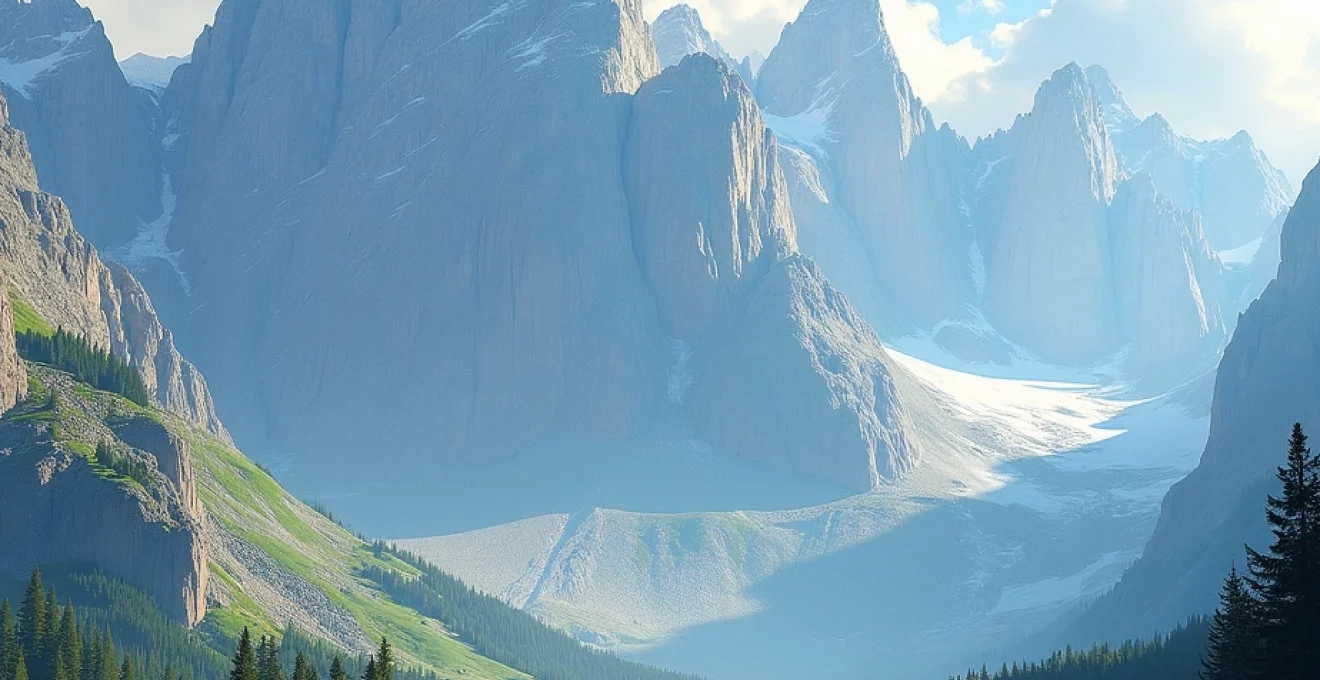
Towering majestically across northeastern Italy like ancient cathedrals carved from stone, the Dolomites represent one of Europe’s most extraordinary mountain ranges. These pale limestone giants have captured the imagination of adventurers, artists, and alpine enthusiasts for centuries, earning recognition that extends far beyond their dramatic silhouettes. From their unique geological composition that creates the mesmerising phenomenon of enrosadira to their role as a crucible for mountaineering innovation, the Dolomites have established themselves as a cornerstone of Alpine culture and natural heritage. The range’s fame stems not merely from its breathtaking beauty, but from a remarkable convergence of geological wonder, cultural diversity, historical significance, and recreational excellence that continues to attract visitors from across the globe.
Distinctive dolomitic limestone geology and UNESCO world heritage status
The Dolomites owe their worldwide recognition to their extraordinary geological composition, which sets them apart from every other mountain range on Earth. Named after French mineralogist Déodat de Dolomieu, who first studied the unique carbonate rock in the late 18th century, these mountains consist primarily of dolomite—a calcium-magnesium carbonate that creates their characteristic pale appearance and remarkable structural properties.
Triassic period carbonate rock formation and atoll structure
The geological story of the Dolomites begins approximately 250 million years ago during the Triassic period, when the entire region lay beneath a warm, tropical sea. The mountains we see today originated as massive coral atolls and reef systems that accumulated over millions of years on the Tethys Ocean floor. These ancient marine structures, built by corals, algae, and other marine organisms, created the foundation for what would become one of the world’s most spectacular mountain ranges.
The transformation from underwater paradise to towering peaks occurred through a complex process of tectonic uplift and erosion spanning millions of years. As the African and European continental plates collided, the seafloor sediments were thrust skyward, creating the dramatic vertical formations that characterise the region today. This unique origin explains why you can find marine fossils embedded within rock faces that now soar thousands of metres above sea level.
Pale-coloured limestone composition and alpenglow phenomenon
The distinctive pale colouration that earned the Dolomites their nickname “Monti Pallidi” (Pale Mountains) results from their high magnesium carbonate content. This mineral composition not only creates their ghostly white appearance during daylight hours but also enables the spectacular enrosadira or alpenglow phenomenon that occurs at sunrise and sunset.
During these magical moments, the dolomitic limestone acts like a natural canvas, absorbing and reflecting the warm colours of the sun to create an ethereal pink and orange glow that seems to emanate from within the rock itself. This phenomenon has inspired countless legends, including the tale of King Laurin and his rose garden, and continues to draw photographers and nature enthusiasts who seek to witness this daily spectacle of natural light and mineral interaction.
Vertical rock faces and distinctive spire architecture
The structural integrity of dolomitic limestone has enabled the formation of near-vertical rock faces and distinctive spire-like formations that define the Dolomites’ architectural character. Unlike softer sedimentary rocks that erode into rounded forms, dolomite’s resistance to weathering creates the sharp edges, dramatic towers, and seemingly impossible vertical walls that make these mountains instantly recognisable.
Famous formations such as the Tre Cime di Lavaredo, with their three massive stone pillars rising like ancient monuments, exemplify how dolomitic geology creates landscape features of almost supernatural grandeur. These vertical structures, some exceeding 500 metres in height, provide the foundation for the region’s reputation as a world-class climbing destination while creating the dramatic backdrops that have made the Dolomites a favourite subject for landscape photographers.
UNESCO natural heritage site designation criteria
In 2009, the Dolomites achieved UNESCO World Heritage status based on their outstanding geological and landscape value, becoming one of only a handful of mountain ranges to receive this prestigious designation purely for natural criteria. The UNESCO committee recognised the range as “of outstanding universal value to humanity” due to its exceptional geological features, unique mountain landscapes, and the scientific importance of its rock formations for understanding ancient marine ecosystems.
The designation encompasses nine distinct areas across 142,000 hectares, each representing different aspects of Dolomitic geology and landscape architecture. This recognition has elevated the region’s international profile while establishing conservation frameworks that protect these geological treasures for future generations. The status also acknowledges the Dolomites’ role as a natural laboratory where scientists continue to study carbonate platform evolution and ancient climate conditions.
Legendary via ferrata routes and technical alpine climbing
The Dolomites have achieved legendary status in the mountaineering world, serving as both the birthplace of modern via ferrata systems and home to some of Europe’s most challenging technical climbing routes. The region’s unique combination of solid dolomitic rock, dramatic vertical faces, and innovative access systems has created opportunities for climbers of all abilities while maintaining its reputation as a proving ground for elite alpinists.
Piz badile north face and grade VI technical climbing
Among the most revered technical climbing challenges in the Dolomites, the routes on major north faces represent the pinnacle of Alpine achievement. These imposing walls, often exceeding 1,000 metres in height, demand exceptional technical skill, strategic route-finding, and mental fortitude. The classic north face routes have become pilgrimage destinations for serious climbers, offering sustained difficulties at grades that test even experienced alpinists.
The development of these routes during the golden age of Alpine climbing established the Dolomites as a crucial training ground where climbers could develop the skills necessary for major expeditions worldwide. Today, these challenging ascents continue to attract climbers seeking to test themselves against some of the most demanding rock climbing in the Alps, with routes that combine technical difficulty with serious commitment and objective hazards.
Tre cime di lavaredo north faces classical routes
The three distinctive towers of Tre Cime di Lavaredo have become synonymous with Dolomites climbing, featuring north face routes that rank among the most famous rock climbs in the world. The Cima Grande north face, in particular, offers multiple route variations that have attracted generations of climbers seeking to follow in the footsteps of Alpine pioneers who first conquered these imposing walls.
These routes combine historical significance with outstanding climbing quality, offering everything from moderate multi-pitch adventures to extreme technical challenges. The solid dolomitic limestone provides reliable protection placements and positive holds, while the dramatic exposure and changing weather conditions add elements of adventure and risk management that define true Alpine climbing experiences.
Marmolada south face winter ascent challenges
Winter climbing in the Dolomites presents an entirely different set of challenges, with the Marmolada south face representing one of the most demanding mixed climbing objectives in the range. These winter ascents require not only technical ice and mixed climbing skills but also the ability to navigate rapidly changing mountain weather and avalanche conditions that can transform the climbing environment within hours.
The combination of technical difficulty, serious exposure, and harsh winter conditions makes these routes accessible only to highly experienced alpinists. However, successful ascents offer unparalleled satisfaction and spectacular winter views across the snow-covered Dolomites that few mountaineers ever experience. These winter challenges continue to push the boundaries of Alpine climbing while maintaining the adventurous spirit that has always characterised Dolomites mountaineering.
Seceda ridge via ferrata cable systems
The via ferrata networks throughout the Dolomites represent a democratic approach to mountain access, allowing climbers of moderate ability to experience spectacular exposure and reach dramatic summits safely. These engineered routes, featuring steel cables, fixed anchors, and strategically placed ladders, trace lines up otherwise inaccessible cliff faces while maintaining reasonable safety margins for properly equipped climbers.
Modern via ferrata routes in areas like Seceda Ridge offer graduated difficulty levels, from family-friendly introductory routes to challenging circuits that demand significant strength and endurance. The combination of engineered safety features and natural rock climbing creates unique experiences that bridge the gap between hiking and technical climbing, making the vertical world of the Dolomites accessible to a broader range of outdoor enthusiasts.
Cortina d’ampezzo climbing circuit access points
The Cortina valley serves as a central hub for accessing the diverse climbing opportunities scattered throughout the eastern Dolomites. This strategic location provides convenient access to everything from single-pitch sport climbing venues to major Alpine objectives, making it a favourite base camp for climbing expeditions and mountain guiding operations.
The infrastructure around Cortina, including cable car systems, mountain refuges, and established approach trails, facilitates access to climbing areas that might otherwise require multi-day expeditions. This accessibility, combined with the concentration of high-quality routes in the surrounding peaks, has established Cortina as one of Europe’s premier climbing destinations where climbers can easily sample the full spectrum of Dolomites climbing experiences.
Alta via Long-Distance hiking trails network
The Alta Via trail system represents one of Europe’s most spectacular long-distance hiking networks, consisting of multiple numbered routes that traverse the entire Dolomites range while showcasing its most dramatic landscapes and cultural diversity. These carefully planned trails, ranging from moderate walks suitable for intermediate hikers to challenging mountain traverses requiring mountaineering skills, have established the Dolomites as a premier destination for trekking enthusiasts seeking multi-day Alpine adventures.
The most famous route, Alta Via 1, stretches approximately 120 kilometres from Lago di Braies to Belluno, typically completed in 8-10 days with overnight stays in mountain refuges. This trail provides a comprehensive introduction to Dolomites landscapes, passing beneath iconic formations like the Tre Cime di Lavaredo, around pristine Alpine lakes, and through traditional mountain villages where hikers can experience authentic South Tyrolean hospitality. The route’s design maximises scenic impact while maintaining manageable daily stages that accommodate varying fitness levels.
Alta Via 2, often considered more challenging than its predecessor, follows a more technical route through the western Dolomites, incorporating sections that require basic mountaineering skills and sure-footedness on exposed terrain. This 180-kilometre trail demands greater preparation and experience but rewards hikers with access to more remote areas and spectacular high-altitude landscapes that remain relatively undiscovered by casual visitors. The route connects some of the region’s most dramatic mountain refuges, each strategically positioned to provide stunning views and comfortable accommodation after demanding hiking days.
The numbered Alta Via system continues through Alta Via 6, with each route offering distinct character and difficulty levels. These trails have been developed with remarkable attention to detail, featuring excellent waymarking, strategic refuge placement, and careful consideration of daily hiking distances that balance challenge with enjoyment. The network enables hikers to design custom itineraries by combining different Alta Via segments or linking multiple routes for extended Dolomites explorations lasting several weeks.
What sets the Dolomites Alta Via system apart from other European long-distance trails is the integration of cultural experiences with natural beauty. Hikers encounter three distinct linguistic and cultural regions—Italian, German, and Ladin—often within single trail segments, creating opportunities to experience the rich cultural tapestry that defines this unique corner of the Alps. The trail network also connects with numerous shorter day-hiking routes, allowing flexible itinerary planning that can accommodate everything from weekend escapes to month-long trekking adventures.
Ladin cultural heritage and south tyrolean autonomy
The Dolomites region stands as a fascinating example of cultural complexity and linguistic diversity, where three distinct traditions—Italian, German, and Ladin—coexist within a framework of political autonomy that has become a model for minority protection in Europe. This unique cultural landscape adds profound depth to the region’s appeal, offering visitors insights into how geography, history, and politics have shaped one of the Alps’ most distinctive communities.
Rhaeto-romance language preservation in val gardena
The ancient Ladin language, a Rhaeto-Romance tongue dating back to Roman times, survives in five valleys throughout the Dolomites, with Val Gardena representing one of its strongest strongholds. This linguistic heritage, spoken by approximately 30,000 people, represents direct linguistic continuity with the Roman Empire and provides unique insights into how Latin evolved in isolated Alpine communities.
Ladin cultural preservation efforts have created vibrant communities where traditional crafts, folklore, and customs continue to flourish alongside modern tourism infrastructure. Visitors can experience authentic Ladin culture through traditional festivals, artisan workshops specialising in wood carving and textiles, and cultural centres that showcase the sophisticated mythology and oral traditions that have sustained these communities for centuries. The language itself reflects deep connections to mountain life, with vocabulary specifically developed to describe Alpine phenomena, seasonal cycles, and traditional farming practices that remain relevant today.
Traditional tyrolean architecture in ortisei and selva
The distinctive architectural heritage visible throughout Dolomites villages represents a sophisticated adaptation to Alpine conditions developed over centuries of mountain living. Traditional Tyrolean building techniques, characterised by thick stone foundations, wooden upper stories, and distinctive overhanging roofs designed to shed snow and protect exterior walls, create the picturesque village scenes that define the region’s visual appeal.
Modern construction in towns like Ortisei and Selva continues to incorporate traditional design elements while meeting contemporary comfort and efficiency standards. This architectural continuity maintains the authentic character that distinguishes Dolomites communities from generic ski resort developments found elsewhere in the Alps. Local building regulations require new construction to respect traditional proportions and materials, ensuring that development enhances rather than degrades the cultural landscape that attracts visitors to the region.
South tyrolean provincial autonomy and bilingual governance
The South Tyrol autonomous province operates under a unique governmental system that guarantees linguistic and cultural rights for both German and Italian speakers while protecting the smaller Ladin minority. This autonomy arrangement, developed following World War I border changes that transferred the region from Austria to Italy, has created a stable framework for managing linguistic diversity that has become internationally recognised as a successful model for minority protection.
The practical implementation of this autonomy affects every aspect of daily life, from bilingual signage and education systems to proportional representation in government positions and public services. This system ensures that visitors encounter authentic cultural expressions rather than artificial tourist presentations, creating opportunities for genuine cultural exchange and understanding. The success of South Tyrolean autonomy demonstrates how geographic and cultural complexity can be transformed into sources of strength rather than division.
Alpine farming traditions and almabtrieb cattle drives
Traditional Alpine farming practices continue to shape both the landscape and cultural calendar throughout the Dolomites region, with seasonal cattle drives and mountain pasture management creating the distinctive mosaic of meadows, forests, and settlements that characterises the area. These practices, refined over centuries, represent sophisticated ecological management systems that maintain biodiversity while supporting human communities.
The annual Almabtrieb ceremonies, when decorated cattle return from high summer pastures to valley farms, showcase the deep connections between human communities and the mountain environment. These celebrations combine practical livestock management with community festivals that reinforce cultural identity and seasonal rhythms. Visitors who time their visits to coincide with these events experience authentic cultural traditions that remain central to community life rather than performances designed primarily for tourist consumption.
World war one historical battlefields and museum networks
The Dolomites bear profound historical significance as the site of some of World War One’s most extraordinary mountain warfare, where Italian and Austro-Hungarian forces fought battles at altitudes exceeding 3,000 metres in conditions that tested human endurance beyond conventional military experience. The region’s strategic position along the newly established Italian-Austrian border transformed these peaceful mountains into a vertical battlefield where innovative military engineering and extreme environmental conditions created unique challenges that redefined mountain warfare forever.
The remnants of this mountain war remain remarkably preserved throughout the Dolomites, creating an extensive outdoor museum where visitors can explore trenches carved into solid rock, investigate elaborate tunnel systems that protected soldiers from artillery bombardment, and examine the remains of cable car networks built to supply forward positions on seemingly inaccessible peaks. These historical sites provide tangible connections to one of history’s most demanding military campaigns while illustrating the extraordinary lengths to which human conflict can extend.
Several dedicated museums throughout the region interpret this complex historical period, offering comprehensive exhibitions that examine both the military and human aspects of mountain warfare. The Museum of the Great War in Cortina d’Ampezzo houses extensive collections of military equipment, personal artifacts, and photographic documentation that brings the mountain war experience to life for contemporary visitors. These institutions work to preserve not only the material culture of the conflict but also the personal stories and cultural memory that provide context for understanding how this remote mountain conflict affected the broader European tragedy of World War One.
Guided historical tours combine museum visits with excursions to actual battlefield sites, allowing visitors to experience the challenging terrain where soldiers from both sides endured extreme conditions while attempting to maintain military operations in one of the world’s most demanding environments. These educational programmes help visitors appreciate
how these extreme conditions shaped the experiences of ordinary soldiers who found themselves fighting in environments that challenged every aspect of human survival. The combination of altitude, weather, and enemy action created circumstances that remain almost incomprehensible to modern military strategists, yet the engineering achievements and tactical innovations developed during this period continue to influence mountain warfare doctrine today.
The legacy of this mountain warfare extends beyond historical curiosity, as many of the trails and access routes used by visitors today originated as military supply paths carved by soldiers desperate to maintain communication with forward positions. The cable car systems that now transport tourists to scenic viewpoints evolved from military logistics networks designed to move ammunition and supplies to impossible elevations, demonstrating how wartime necessity drove technological innovations that later transformed civilian mountain access throughout the Alps.
Michelin-starred cuisine and alpine gastronomy fusion
The culinary reputation of the Dolomites represents one of Europe’s most sophisticated examples of regional gastronomy, where traditional Alpine cooking traditions merge with refined Italian culinary techniques to create a distinctive cuisine that has earned international recognition. This unique gastronomic identity reflects the region’s complex cultural heritage, incorporating Austrian hearty mountain fare, Italian refinement, and indigenous Ladin specialties into a cohesive culinary philosophy that celebrates both innovation and tradition.
The concentration of Michelin-starred restaurants within the Dolomites region significantly exceeds what might be expected for a relatively small mountain area, with establishments like St. Hubertus in San Cassiano earning three Michelin stars for cuisine that transforms local ingredients into sophisticated culinary art. These restaurants have elevated traditional dishes like canederli (bread dumplings), speck (smoked ham), and wild game preparations into refined presentations that maintain authentic flavours while meeting international fine dining standards. The success of these establishments demonstrates how geographic isolation and strong cultural traditions can foster culinary innovation rather than limitation.
Traditional Alpine ingredients form the foundation of Dolomites cuisine, with local specialties including aged mountain cheeses produced in high-altitude malghe (alpine dairies), wild herbs and mushrooms foraged from mountain meadows and forests, and game meats from sustainable hunting traditions that have been practiced for centuries. These ingredients, shaped by the region’s unique climate and terrain, possess distinctive characteristics that cannot be replicated elsewhere, providing chefs with exceptional raw materials that inspire creative culinary interpretations.
The seasonal rhythm of Alpine life continues to influence contemporary Dolomites cuisine, with menus changing dramatically to reflect the availability of local ingredients throughout the year. Spring brings wild asparagus and early herbs, summer offers abundant dairy products and mountain berries, autumn provides mushroom harvests and game hunting season, while winter features preserved foods and hearty preparations designed to sustain energy during the coldest months. This seasonal approach creates dining experiences that connect visitors directly to the natural cycles that continue to shape mountain life.
Wine production in the Alto Adige region adds another dimension to the Dolomites gastronomic experience, with vineyards planted on steep mountain slopes producing distinctive white wines that complement the region’s Alpine-influenced cuisine perfectly. Varieties like Gewürztraminer, Pinot Grigio, and local specialties such as Lagrein and Schiava reflect the unique terroir created by dramatic elevation changes, mineral-rich soils, and the interplay between Alpine and Mediterranean climate influences. These wines have gained international recognition for their distinctive character and exceptional quality, establishing the region as one of Italy’s most prestigious wine-producing areas.
The integration of wellness culture with culinary traditions creates unique dining experiences where food serves both nutritional and therapeutic purposes, reflecting the region’s broader commitment to holistic well-being. Many restaurants and hotels incorporate spa cuisine concepts that emphasise locally sourced, organic ingredients prepared in ways that support physical health and mental rejuvenation after active mountain days. This approach transforms dining from mere sustenance into an integral component of the overall wellness experience that defines contemporary Dolomites hospitality.
Mountain refuges throughout the region continue to serve traditional Alpine fare in authentic settings, providing opportunities for visitors to experience rustic mountain cuisine in environments where these dishes originated. These establishments, often accessible only by hiking or cable car, offer simple but satisfying meals that connect diners directly to the mountain environment and the practical needs of Alpine life. The contrast between refuge dining and sophisticated valley restaurants illustrates the full spectrum of culinary experiences available within the Dolomites, from basic mountain sustenance to world-class gastronomy, all rooted in the same fundamental traditions and local ingredients that define the region’s distinctive food culture.