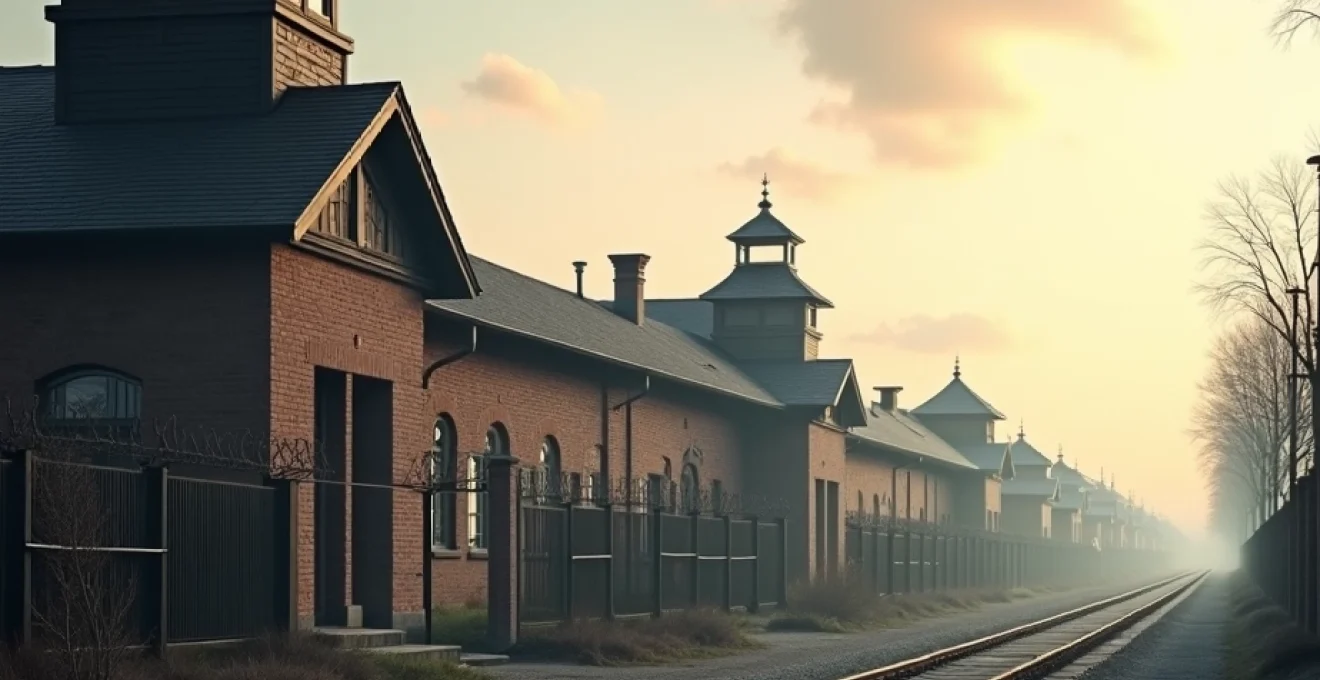
Planning a visit to the Auschwitz-Birkenau Memorial and Museum requires careful consideration of your arrival logistics, particularly when selecting the most convenient airport. The memorial site, located in Oświęcim, Poland, sits approximately 60 kilometres southwest of Kraków and serves as one of Europe’s most significant historical destinations. With over 2 million annual visitors travelling from across the globe to pay their respects and learn about this UNESCO World Heritage Site, understanding the airport options and transportation infrastructure becomes crucial for a seamless journey. The proximity of several international airports to the memorial creates multiple entry points, each offering distinct advantages depending on your travel preferences, budget constraints, and onward travel plans.
John paul II international airport Krakow-Balice: primary gateway to Auschwitz-Birkenau
John Paul II International Airport Krakow-Balice (KRK) stands as the unequivocally optimal choice for travellers destined for the Auschwitz Memorial. Positioned just 44.9 kilometres from Oświęcim, this airport offers the shortest distance and most efficient transportation links to the memorial site. The airport’s strategic location approximately 11 kilometres west of Kraków city centre provides visitors with exceptional flexibility for their Lesser Poland exploration.
Distance and travel duration from krakow airport to oswiecim
The journey from Krakow-Balice Airport to the Auschwitz Memorial typically requires 50-70 minutes by road, depending on traffic conditions and chosen route. The most direct path follows the A4 motorway eastbound, offering a well-maintained highway connection that bypasses urban congestion. During peak traffic periods, particularly weekday mornings between 7:00-9:00 AM and evenings from 4:00-6:00 PM, travel times may extend to 90 minutes.
The GPS coordinates for the memorial entrance at 50.0266°N, 19.20363°E guide visitors directly to the Visitor Services Center on Więźniów Oświęcimia Street. This route passes through scenic countryside typical of the Lesser Poland Voivodeship, providing travellers with glimpses of traditional Polish architecture and agricultural landscapes that contextualise the historical setting of the memorial.
Ground transportation options: airport transfer services and public transport
Multiple transportation modalities connect Krakow-Balice Airport to the Auschwitz Memorial, catering to diverse traveller preferences and budgetary considerations. Private transfer services represent the most convenient option, with numerous operators offering direct door-to-door transportation. Companies such as Kraków Airport Transfer and Welcome Pickups provide professional drivers familiar with memorial protocols and visitor requirements.
Public transportation requires a multi-stage journey involving airport shuttle services to Kraków city centre, followed by regional bus or train connections to Oświęcim. The airport shuttle bus operates every 20-30 minutes during daytime hours, connecting passengers to Kraków’s main railway station in approximately 40 minutes. From there, PKS bus services or Polish State Railways provide onward connections to Oświęcim station, located 1.5 kilometres from the memorial entrance.
Flight connectivity: major airlines serving Krakow-Balice terminal
Krakow-Balice Airport accommodates an extensive network of European and international carriers, facilitating convenient access from major global cities. Legacy airlines including LOT Polish Airlines, Lufthansa, and Austrian Airlines provide full-service connections from hub airports such as Frankfurt, Munich, Vienna, and Warsaw. Budget carriers like Ryanair, Wizz Air, and easyJet offer cost-effective alternatives from secondary European cities.
The airport’s single terminal processes approximately 8 million passengers annually, with seasonal peak capacity reaching 12,000 passengers daily during summer months. Direct flights operate from over 80 destinations across Europe, with notable connections from London Heathrow, Amsterdam Schiphol, and Paris Charles de Gaulle facilitating intercontinental passenger transfers.
Airport facilities and passenger services for holocaust memorial visitors
Krakow-Balice Airport provides comprehensive passenger amenities designed to support international travellers preparing for emotionally significant memorial visits. The terminal features dedicated quiet zones where visitors can mentally prepare for their Auschwitz experience, alongside information desks staffed with multilingual personnel knowledgeable about memorial logistics and regional transportation options.
The airport’s visitor information centre maintains current schedules for memorial tours and can assist with last-minute booking adjustments, recognising the unique nature of Holocaust education tourism.
Currency exchange facilities, ATMs accepting international cards, and rental car counters from major providers including Avis, Hertz, and Europcar ensure visitors can secure necessary services immediately upon arrival. The airport’s free WiFi network enables travellers to confirm memorial reservations and access digital resources for historical preparation.
Alternative regional airports: katowice and secondary access points
While Krakow-Balice remains the primary choice, several alternative airports serve the Auschwitz Memorial region, each offering unique advantages for specific traveller demographics and routing preferences. These secondary options become particularly relevant during peak tourism seasons when Krakow flights experience premium pricing or limited availability.
Katowice airport distance analysis and transportation infrastructure
Katowice-Pyrzowice International Airport (KTW) sits 48.9 kilometres from Oświęcim, representing a marginally longer journey compared to Krakow-Balice. However, this Upper Silesian gateway offers distinct advantages for travellers originating from specific European markets or seeking alternative routing options. The airport’s location 30 kilometres north of Katowice city centre positions it strategically for access to both the Auschwitz Memorial and broader Silesian industrial heritage sites.
Transportation infrastructure from Katowice Airport includes regular bus connections operated by Matuszek and PKM Katowice, with hourly departures to the city centre requiring approximately 50 minutes. From Katowice’s central bus station (PKS Katowice), direct services to Oświęcim operate with varying frequencies throughout the day. Morning departures at 7:50 AM provide optimal timing for standard memorial visiting hours, while afternoon services at 12:30 PM and 17:30 PM accommodate flexible itineraries.
Budget airline routes via pyrzowice airport
Budget-conscious travellers often discover competitive pricing through Katowice Airport’s extensive low-cost carrier network. Ryanair operates significant hub operations from Pyrzowice, offering routes to secondary European cities often overlooked by traditional carriers serving Krakow. Wizz Air provides connections to Eastern European capitals including Budapest, Prague, and Bucharest, facilitating multi-country memorial and heritage touring.
The airport’s positioning within the broader Central European aviation market creates pricing dynamics that occasionally favour Katowice over Krakow for specific origin-destination pairs. British travellers, for instance, may find London Stansted-Katowice flights priced 20-30% below equivalent Gatwick-Krakow services during peak summer tourism periods.
Cross-border options: vienna and prague international airports
International travellers occasionally consider cross-border airport options, particularly Vienna International Airport (VIE) and Prague Václav Havel Airport (PRG), when seeking specific airline connections or exploring multi-country European itineraries. Vienna Airport sits approximately 300 kilometres south of Oświęcim, requiring a 3.5-hour drive through scenic Austrian and Czech countryside before entering Poland.
Prague Airport, located 350 kilometres northwest of the memorial, offers another alternative for travellers combining Czech Republic exploration with Polish memorial visits. The overland journey traverses the picturesque Moravian-Silesian borderlands, passing through Ostrava before entering Polish territory. However, these extended distances make cross-border airports practical only for visitors planning comprehensive Central European touring rather than focused memorial visits.
Ground transportation networks from krakow to auschwitz memorial
The 60-kilometre corridor connecting Kraków to the Auschwitz Memorial features a well-developed transportation network accommodating diverse traveller preferences and group sizes. This infrastructure reflects both the memorial’s international significance and Poland’s broader commitment to heritage tourism accessibility.
PKS bus services and regional coach connections
PKS (Państwowa Komunikacja Samochodowa) operates the primary public bus network linking Kraków with Oświęcim, providing an economical transportation option for independent travellers. Regular departures from Kraków’s main bus terminal occur every 90 minutes during weekdays, with reduced frequency on weekends. The journey typically requires 75-90 minutes, depending on intermediate stops and traffic conditions.
Lajkonik company operates dedicated tourist services connecting Kraków directly to the Auschwitz Memorial car park, eliminating the need for local transportation upon arrival in Oświęcim. These services operate seasonally from April through October, with daily departures timed to coincide with memorial opening hours. Return journeys provide adequate time for comprehensive memorial visits while ensuring convenient late-afternoon departure slots.
Regional coach operators including BESKIDUS and POiT Marek Gotfryd provide additional capacity during peak tourism seasons, particularly serving organised group tours and educational institutions. These services often incorporate historical commentary during transit, beginning the educational experience before memorial arrival.
Polish state railways (PKP) train schedule to oswiecim station
Polish State Railways maintains regular passenger services between Kraków Główny and Oświęcim station, operated primarily by regional rolling stock suited to this secondary route. Departures occur approximately every two hours during daytime periods, with journey times ranging from 90-110 minutes depending on intermediate stops and rolling stock type.
| Departure Time | Journey Duration | Service Type |
|---|---|---|
| 05:38 | 95 minutes | Direct Service |
| 08:15 | 105 minutes | Regional with stops |
| 14:32 | 90 minutes | Direct Service |
| 15:32 | 100 minutes | Regional with stops |
Oświęcim railway station requires onward transportation to reach the memorial entrance, located 1.5 kilometres southeast of the station building. Local bus route “M” operates seasonally between April and October, providing direct connections every 10 minutes during peak hours. Outside the seasonal period, visitors rely on taxi services or walking routes through the town centre.
Private transfer companies and guided tour operators
Professional transfer companies specialising in memorial transportation offer comprehensive packages combining airport pickup, direct memorial transfer, and return services. These operators understand the unique requirements of Holocaust memorial visitors, providing appropriate vehicle environments conducive to reflection and preparation. Many drivers possess basic historical knowledge and can offer preliminary context during transit.
Leading transfer companies report that 85% of their Auschwitz-bound passengers specifically request quiet, respectful service that acknowledges the solemn nature of their destination.
Guided tour operators provide complete packages integrating transportation, memorial admission, and professional historical interpretation. Companies such as Cracow City Tours and See Krakow offer half-day and full-day experiences departing from central Kraków hotels, eliminating logistical concerns for international visitors. These services typically include skip-the-line admission and English-speaking guides certified by the memorial administration.
Self-drive car rental routes via A4 motorway
Independent travellers frequently choose self-drive options for the flexibility they provide in timing and route selection. The primary route follows the A4 motorway system westbound from Kraków, connecting to regional roads approaching Oświęcim from the northeast. This route offers excellent road conditions and clear signposting, though tolls apply for the motorway sections.
Alternative routing through regional roads (DK44 and DW948) provides a more scenic journey through traditional Polish countryside, passing small towns and agricultural areas that contextualise the memorial’s rural setting. This route adds 15-20 minutes to travel time but offers insights into the broader geographical and social context of 1940s Poland.
Memorial parking facilities accommodate approximately 500 vehicles across multiple lots, with designated areas for coaches and disabled access. Parking fees apply, with rates structured to encourage shorter visits that allow maximum daily visitor throughput while maintaining appropriate memorial atmosphere.
Booking logistics and visitor planning considerations
Successful memorial visits require advance planning that coordinates flight arrival times, ground transportation, and memorial admission slots. The memorial’s visitor management system limits daily capacity to preserve the site’s dignity while accommodating international demand that frequently exceeds 7,000 visitors daily during peak seasons.
Online reservation systems at visit.auschwitz.org require advance booking for all memorial entries, with free admission but mandatory time-slot selection. Peak summer periods (June through August) often show full bookings 4-6 weeks in advance, necessitating early planning integration with flight bookings. Winter months offer greater flexibility but present weather considerations that may affect transportation reliability.
Airport arrival timing significantly influences memorial visit logistics, with morning flights enabling same-day memorial visits while afternoon arrivals typically require overnight accommodation in Kraków or Oświęcim. Most international flights arrive at Krakow-Balice during morning hours (08:00-12:00), aligning well with memorial afternoon time slots that begin after 15:00.
Memorial administrators recommend allowing minimum 90 minutes each for Auschwitz I and Birkenau visits, plus transportation time between sites, when planning daily itineraries.
Seasonal variations dramatically affect both flight pricing and ground transportation reliability. Summer months command premium airfares but offer extended memorial operating hours and maximum transportation frequency. Winter visits provide lower costs and smaller crowds but require contingency planning for weather-related transport disruptions that occasionally affect regional bus and rail services.
Historical context: transportation infrastructure development in lesser poland voivodeship
The contemporary transportation network serving the Auschwitz Memorial reflects decades of infrastructure development aimed at facilitating international heritage tourism while respecting the site’s memorial character. This evolution mirrors Poland’s broader post-1989 economic transformation and European Union integration, which prioritised tourism infrastructure as an economic development strategy.
Krakow-Balice Airport’s expansion from a regional facility to an international gateway directly correlates with growing memorial visitation patterns. The airport’s passenger capacity increased from 1.5 million annually in 2005 to over 8 million today, largely driven by heritage tourism demand. Similarly, road infrastructure improvements along the A4 corridor reflect recognition of the memorial’s economic significance to the regional economy.
The memorial’s transportation infrastructure development philosophy balances accessibility requirements with preservation of appropriate memorial atmosphere. Traffic management systems around Oświęcim restrict heavy vehicle access during peak visiting hours, while public transportation timing coordinates with memorial operating schedules to minimise visitor congestion and maintain site dignity.
Cost analysis: flight routes and ground transfer economics for memorial visitors
Economic considerations significantly influence airport selection and ground transportation choices for memorial visitors, with total journey costs varying substantially based on origin markets, seasonal timing, and service level preferences. Comprehensive cost analysis must consider flight pricing, ground transportation expenses, and ancillary costs including parking, meals, and accommodation when required.
Krakow-Balice flights typically command premium pricing compared to alternative regional airports, with average fare differences of €50-100 during peak summer periods. However, ground transportation savings often offset flight cost premiums, as direct transfers to the memorial cost €40-60 compared to €70-90 from Katowice Airport including intermediate connections.
Budget-conscious travellers discover optimal value through advance booking strategies that combine early flight reservations with group transportation arrangements. Shared transfer services reduce individual costs to €15-25 per person while maintaining convenience levels approaching private transfers. Public transportation represents the most economical option at €8-12 total cost, though requiring additional time investment and logistical coordination.
Seasonal pricing patterns create opportunities for cost-effective memorial visits during shoulder periods (April-May and September-October) when flight prices decrease 25-40% below peak summer rates while weather conditions remain favourable for travel. Memorial admission remains free year-round, though guided tour fees vary seasonally between €10-15 per person depending on group size and language requirements.