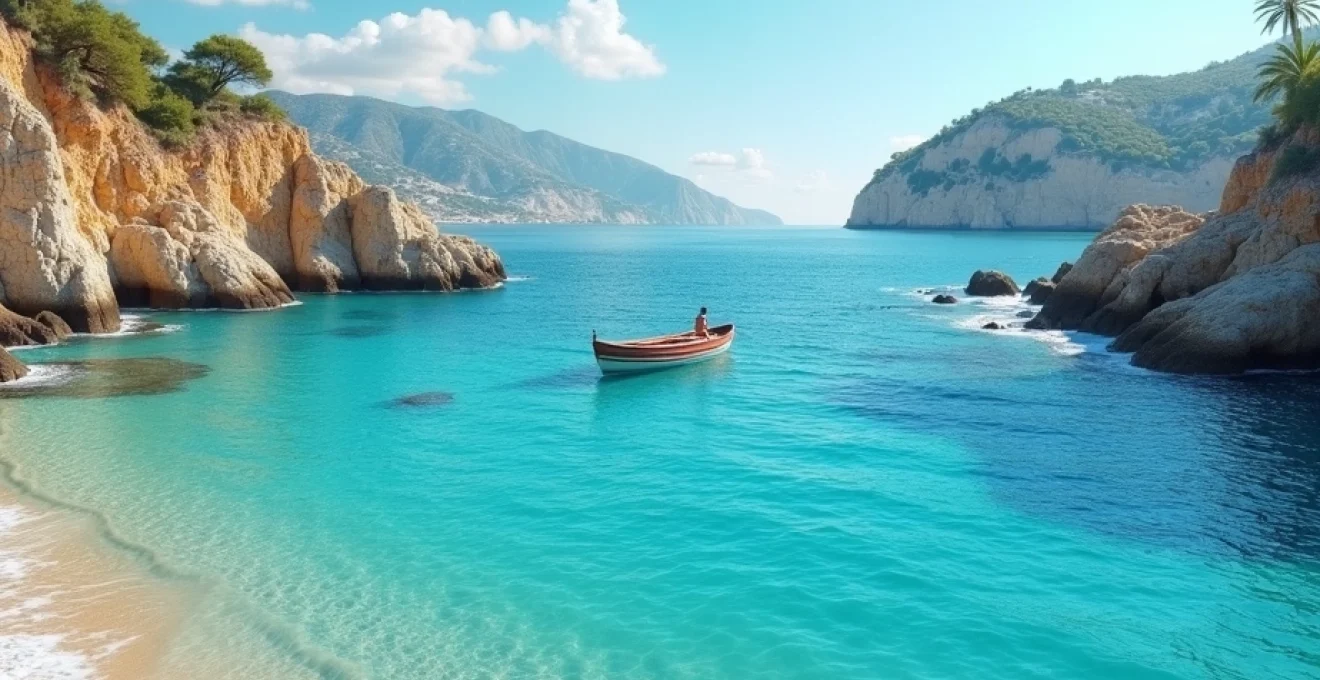
December in Europe typically conjures images of snow-covered streets and freezing temperatures, yet several destinations across the continent offer surprisingly mild and pleasant weather during this winter month. From the sun-drenched shores of the Mediterranean to the subtropical islands scattered across the Atlantic, Europe presents numerous opportunities for travellers seeking warmth without venturing beyond continental boundaries. These destinations provide average temperatures ranging from 15°C to 22°C, making them ideal for those looking to escape the harsh winter conditions prevalent in northern European regions.
The appeal of European winter sun destinations extends beyond mere temperature considerations. These locations offer reduced tourist crowds, lower accommodation prices, and authentic cultural experiences that showcase local traditions during the festive season. Whether you’re planning a romantic getaway, a family holiday, or simply need respite from the winter blues, Europe’s warmest December destinations provide compelling alternatives to long-haul tropical escapes.
Mediterranean coastal destinations with optimal december temperatures
The Mediterranean basin serves as Europe’s premier winter warming zone, where the sea’s thermal mass creates a moderating effect on coastal temperatures. This maritime influence ensures that December temperatures remain considerably higher than inland areas at similar latitudes, making Mediterranean coastal destinations particularly attractive for winter sun seekers.
Cyprus winter climate analysis: limassol and paphos temperature ranges
Cyprus stands out as one of Europe’s most reliable December sun destinations, with Limassol and Paphos consistently recording daytime temperatures between 17°C and 20°C. The island’s position in the eastern Mediterranean, combined with its mountain ranges that provide shelter from cold northern winds, creates an exceptionally stable winter climate. Rainfall occurs on approximately eight to ten days during December, typically in short bursts that rarely disrupt outdoor activities for extended periods.
Limassol offers a perfect blend of urban amenities and coastal relaxation, with its modern marina and historic old town providing diverse experiences for winter visitors. The city’s beaches remain pleasant for walking, though swimming may require a hardy constitution as sea temperatures drop to around 18°C. Archaeological sites such as Kourion and Kolossi Castle can be explored comfortably without the oppressive summer heat that makes sightseeing challenging during peak season.
Paphos, designated as a UNESCO World Heritage site, presents an ideal setting for cultural exploration during December. The famous Paphos Archaeological Park, featuring intricate Roman mosaics, becomes particularly enjoyable when temperatures are moderate. Local tavernas and restaurants operate throughout winter, offering authentic Cypriot cuisine including souvlaki and traditional meze platters in comfortable outdoor settings.
Malta’s valletta and gozo islands: december weather patterns and tourism infrastructure
Malta’s strategic Mediterranean location ensures December temperatures averaging 18°C during daylight hours, making it one of Europe’s most dependable winter sun destinations. The archipelago’s limestone geography and lack of significant elevation changes create uniform weather patterns across all three main islands. Valletta, the diminutive capital, transforms into a festive wonderland during December, with Christmas markets and illuminations enhancing the baroque architecture.
The smaller island of Gozo offers a more tranquil alternative, where traditional Maltese life continues at a slower pace throughout winter. December visitors can explore the Azure Window’s remains, the ancient Ġgantija temples, and the charming fishing village of Xlendi without encountering summer crowds. Ferry services between islands operate regularly, though winter schedules may be slightly reduced compared to peak season frequency.
Malta’s unique position as a year-round destination means that most hotels, restaurants, and attractions remain open during December, unlike many other Mediterranean islands that enter seasonal closure periods.
Southern spain coastal analysis: málaga, marbella, and almería december conditions
The Costa del Sol region of southern Spain maintains its reputation as Europe’s winter sun capital, with December temperatures consistently reaching 16°C to 19°C along the coastline. Málaga, serving as the region’s transportation hub, offers cultural attractions including the Picasso Museum and Alcazaba fortress that can be enjoyed comfortably in mild winter weather. The city’s traditional Christmas celebrations, featuring elaborate nativity scenes and festive markets, provide authentic Spanish cultural experiences.
Marbella’s luxury resort infrastructure remains largely operational during December, though at significantly reduced rates compared to summer pricing. The famous Puerto Banús marina and upscale beach clubs offer a sophisticated atmosphere for winter visitors seeking premium amenities. Golf courses throughout the region remain playable year-round, with December providing ideal conditions for outdoor sports without the intense summer heat.
Almería, often overlooked in favour of its more famous neighbours, presents exceptional value for December travellers. This historic port city enjoys some of Europe’s highest winter sunshine hours, averaging six hours of direct sunlight daily. The nearby Cabo de Gata Natural Park offers spectacular hiking opportunities along dramatic coastlines, with winter temperatures perfect for extended outdoor exploration.
Crete’s chania and heraklion: winter tourism viability and meteorological data
Crete’s substantial size and varied topography create distinct microclimates, with the northern coast around Chania and Heraklion experiencing the mildest December conditions. Temperatures typically range from 15°C to 18°C, though mountain regions can be significantly cooler. The island’s winter weather pattern includes more variability than other Mediterranean destinations, with occasional rainfall and cloudy periods balancing sunny spells.
Chania’s Venetian harbour presents one of Europe’s most photogenic winter settings, with waterfront restaurants and cafes operating throughout December. The old town’s narrow streets and covered markets provide shelter during occasional rain showers, while archaeological sites such as the ancient Minoan palace at Knossos near Heraklion remain accessible for cultural exploration. Winter car rental rates drop substantially, making island exploration highly affordable for independent travellers.
Atlantic island territories: Year-Round temperate climate zones
Europe’s Atlantic island territories benefit from oceanic climate patterns that moderate temperature extremes throughout the year. These island groups, positioned in the Atlantic’s temperate zones, experience minimal seasonal variation compared to continental European destinations, making them exceptionally reliable for December sun seeking.
Canary islands archipelago: tenerife and gran canaria december temperature stability
The Canary Islands represent Europe’s most consistent December sun destination, with temperatures rarely falling below 20°C during daylight hours. Tenerife’s diverse topography creates distinct climate zones, from the subtropical coastlines to the alpine conditions around Mount Teide. The southern resort areas of Playa de las Américas and Los Cristianos maintain average temperatures of 22°C, while the northern regions around Puerto de la Cruz experience slightly cooler but still pleasant conditions averaging 19°C.
Gran Canaria’s circular geography and central mountain massif create remarkable climate diversity within a relatively small area. The southern beaches around Maspalomas and Playa del Inglés enjoy virtually guaranteed sunshine throughout December, while the northern capital of Las Palmas offers urban cultural attractions and historical sites. The island’s year-round agricultural production means fresh local produce remains available, supporting an active restaurant scene throughout winter months.
Both islands maintain comprehensive tourism infrastructure during December, with most hotels, restaurants, and attractions operating normal schedules. Flight connections from major European cities increase during winter months, with numerous airlines offering direct services to accommodate the growing winter sun market. Car rental availability and competitive pricing make island exploration particularly attractive during the quieter December period.
Madeira’s funchal region: subtropical climate characteristics and winter tourism
Madeira’s unique geographical position and topographical features create a subtropical climate that remains remarkably stable throughout December. The island’s volcanic origins and dramatic elevation changes produce distinct microclimates, with Funchal and the southern coastal areas experiencing average temperatures of 18°C to 20°C. The famous levada irrigation channels provide excellent hiking opportunities during December, when moderate temperatures make extended walking comfortable.
The capital city of Funchal transforms into a spectacular Christmas destination, hosting one of Europe’s largest New Year’s firework displays. The city’s botanical gardens remain lush and colourful throughout winter, while the traditional poncha drink provides warming refreshment during occasional cool evenings. Madeira’s famous embroidery and wicker industries continue operating year-round, offering authentic shopping experiences away from typical tourist seasons.
Madeira’s December climate combines the reliability of tropical destinations with the cultural richness of European heritage, creating a unique winter escape experience that satisfies diverse travel preferences.
Azores islands weather systems: são miguel and terceira december conditions
The Azores archipelago experiences a temperate oceanic climate that provides mild December conditions, though with greater variability than more southern Atlantic islands. São Miguel, the largest island, maintains average temperatures between 15°C and 18°C, while weather patterns can change rapidly due to the islands’ position in active Atlantic weather systems. The thermal hot springs around Furnas remain particularly attractive during cooler periods, providing natural warming opportunities.
Terceira island’s December climate offers similar temperature ranges but with potentially more stable conditions due to its central position within the archipelago. The UNESCO World Heritage city of Angra do Heroísmo provides cultural attractions that can be enjoyed regardless of weather conditions, while the island’s volcanic landscapes offer dramatic hiking opportunities when conditions permit. The Azores’ position as a year-round destination means accommodation and dining options remain available, though choices may be more limited than during peak seasons.
Southern european mainland destinations with mild winter conditions
Several mainland European destinations offer appealing December weather conditions, though generally with less consistency than island locations. These destinations combine the appeal of European cultural heritage with surprisingly mild winter climates, making them excellent alternatives for travellers seeking both warmth and authentic European experiences.
Portugal’s Algarve region stands out among mainland destinations, with December temperatures averaging 16°C to 19°C along the southern coast. Cities like Faro, Lagos, and Sagres maintain active tourism infrastructure throughout winter, though accommodation choices may be reduced compared to peak season availability. The dramatic limestone cliffs and golden beaches of the Algarve provide spectacular winter walking opportunities, while traditional Portuguese cuisine offers warming comfort during cooler evenings.
Southern Italy presents varied December conditions depending on specific location and elevation. Sicily’s coastal areas, particularly around Palermo and Catania, experience temperatures similar to other Mediterranean destinations, ranging from 15°C to 18°C. The island’s rich archaeological heritage, including the Valley of the Temples at Agrigento and Mount Etna’s volcanic landscapes, becomes particularly enjoyable when explored without summer heat intensity. Arancini and other Sicilian specialties provide perfect winter comfort food while exploring historic city centres.
Southwestern Spain, including cities like Seville and Córdoba, offers December temperatures that frequently reach 16°C to 18°C, making them comfortable for urban exploration. These inland cities lack the maritime moderation of coastal areas but compensate with rich cultural attractions including magnificent cathedrals, Moorish palaces, and traditional tapas culture that thrives during cooler months. The reduced tourist presence during December allows for more intimate experiences of Spain’s architectural and culinary treasures.
Meteorological factors influencing december temperature variations
Understanding the meteorological mechanisms that create Europe’s December temperature variations helps explain why certain destinations consistently offer warmer conditions while others experience typical winter weather. These factors interact in complex ways to produce the distinctive climate patterns that make some European locations viable winter sun destinations.
Mediterranean sea thermal regulation effects on coastal temperatures
The Mediterranean Sea’s thermal mass creates a significant moderating effect on coastal temperatures throughout the winter months. Water retains heat more effectively than land, and the Mediterranean’s relatively enclosed nature means it accumulates warmth throughout the summer and releases it gradually during winter. This thermal regulation can maintain coastal air temperatures 3°C to 5°C higher than equivalent inland locations at similar latitudes.
The sea’s surface temperature in December typically ranges from 16°C to 20°C across different Mediterranean regions, providing a warming influence on adjacent coastal areas. This effect is most pronounced during nighttime hours when land masses cool more rapidly than water bodies. Coastal Mediterranean destinations therefore experience smaller temperature variations between day and night compared to inland areas, creating more comfortable overall conditions for winter visitors.
Atlantic ocean current impact: gulf stream influence on european winter climate
The Gulf Stream and its extension, the North Atlantic Current, transport warm water from tropical regions towards European shores, significantly influencing winter temperatures across Atlantic-facing coastlines. This massive oceanic conveyor system carries approximately 30 times the volume of all world rivers combined, delivering enormous amounts of thermal energy to European waters. The current’s warming effect is most pronounced in northwestern Europe but extends southward to influence Atlantic island territories.
Portugal’s Atlantic coast, the western shores of Spain, and Atlantic island groups benefit substantially from this oceanic warming system. The current’s influence helps explain why Atlantic islands like the Canaries and Madeira maintain such stable winter temperatures despite their relatively northern positions. Research indicates that this oceanic heating system contributes 2°C to 4°C to average winter temperatures along affected coastlines compared to what would occur without the current’s presence.
Topographical climate moderation: mountain barriers and valley protection systems
Mountain ranges and topographical features create significant local climate modifications that can enhance or detract from regional warming patterns. The Atlas Mountains of North Africa deflect cold air masses away from southern Spanish coasts, while the Pyrenees provide similar protection from northern European cold fronts. These natural barriers help maintain the mild conditions that characterise Mediterranean coastal regions during winter months.
Valley systems and coastal plains positioned between mountain ranges and sea create particularly favourable microclimates. The Costa del Sol benefits from protection provided by the Andalusian mountains, which shelter the coastal strip from cold interior air masses while allowing maritime influences to dominate. Similar topographical arrangements exist throughout the Mediterranean, creating pockets of exceptional winter mildness that may differ significantly from surrounding areas.
Latitude and altitude correlation analysis for december temperature predictions
Latitude provides the fundamental framework for understanding European December temperatures, with each degree of southward movement typically corresponding to 1°C to 2°C temperature increase. However, altitude creates equally significant temperature variations, with elevations above 300 meters often experiencing markedly cooler conditions than sea-level locations. This altitude effect becomes particularly important when evaluating island destinations with varied topography.
Coastal locations between 35°N and 40°N latitude generally offer the most reliable December warmth in Europe, encompassing southern Spain, the Mediterranean islands, and Atlantic island territories. Destinations north of 40°N require specific geographic advantages, such as oceanic moderation or topographical protection, to maintain comfortable winter conditions. Travellers can use these geographical principles to predict likely weather conditions when exploring lesser-known European winter destinations.
Practical travel considerations for december european warm weather destinations
Planning successful December travel to Europe’s warmer destinations requires understanding practical considerations beyond basic weather patterns. These factors significantly influence trip satisfaction and can determine whether destinations live up to expectations for winter sun seekers.
Accommodation availability varies substantially across warm December destinations, with some locations maintaining year-round operations while others enter seasonal closure periods. The Canary Islands and Malta typically keep most facilities open, though services may be reduced compared to peak season levels. Cyprus and Crete experience more significant seasonal variations, with smaller hotels and restaurants potentially closing during the lowest demand periods. Advance booking becomes particularly important for destinations with limited winter accommodation options.
Transportation infrastructure remains generally reliable across European warm weather destinations, though flight frequencies may be reduced and ferry services might operate modified schedules. Car rental rates typically drop significantly during December, making self-drive exploration highly cost-effective. However, some rural accommodation options may be inaccessible without private transportation, particularly on islands with limited public transport networks.
Activity availability requires careful research, as many tour operators reduce services during winter months despite favourable weather conditions. Water sports facilities may close or operate limited schedules, while some cultural attractions might reduce opening hours. Nevertheless, popular destinations like Tenerife and southern Spain maintain comprehensive activity options throughout December, including golf courses, hiking trails, and cultural sites that benefit from reduced crowding during cooler months.
Packing requirements for December European sun destinations differ from typical tropical holiday preparations. Evening temperatures often drop 5°C to 8°C below daytime highs, making light jackets or sweaters essential for comfortable dining and evening activities. Rainfall occurs intermittently across most destinations, making waterproof clothing advisable despite generally sunny conditions. The moderate temperatures that make these destinations appealing also mean traditional summer clothing may be insufficient for complete comfort throughout the day.
| Destination | Average December Temperature | Sunshine Hours | Rainfall Days |
|---|---|---|---|
| Canary Islands | 20-22°C | 6-7 hours | 4-6 days |
Budget considerations become particularly important when planning December travel to European warm weather destinations. While accommodation rates typically decrease by 30% to 50% compared to peak season pricing, restaurant costs and activity prices generally remain stable year-round. The reduced tourist presence creates opportunities for negotiating better rates on extended stays, particularly for apartment rentals and boutique accommodations that cater to longer-term winter visitors.
Health and safety considerations remain minimal for December travel within Europe, though travel insurance becomes advisable for activities like hiking or water sports. The stable political environments and excellent healthcare systems across warm European destinations provide peace of mind for winter travellers. However, the changeable weather patterns in some locations, particularly the Azores and Crete, require flexibility in planning outdoor activities and may necessitate indoor alternatives during occasional unsettled periods.
The key to successful December travel in Europe’s warm destinations lies in balancing expectations with reality – these locations offer genuine respite from northern European winter conditions while providing authentic cultural experiences unavailable during peak tourist seasons.
Currency considerations vary across destinations, with eurozone countries offering simplified financial planning while Cyprus uses the euro and the UK territories maintain pound sterling. Credit card acceptance remains excellent across all major warm weather destinations, though smaller establishments in rural areas may prefer cash payments. ATM availability is comprehensive in urban areas but may be limited in remote locations, particularly on smaller islands where advance cash planning becomes prudent.