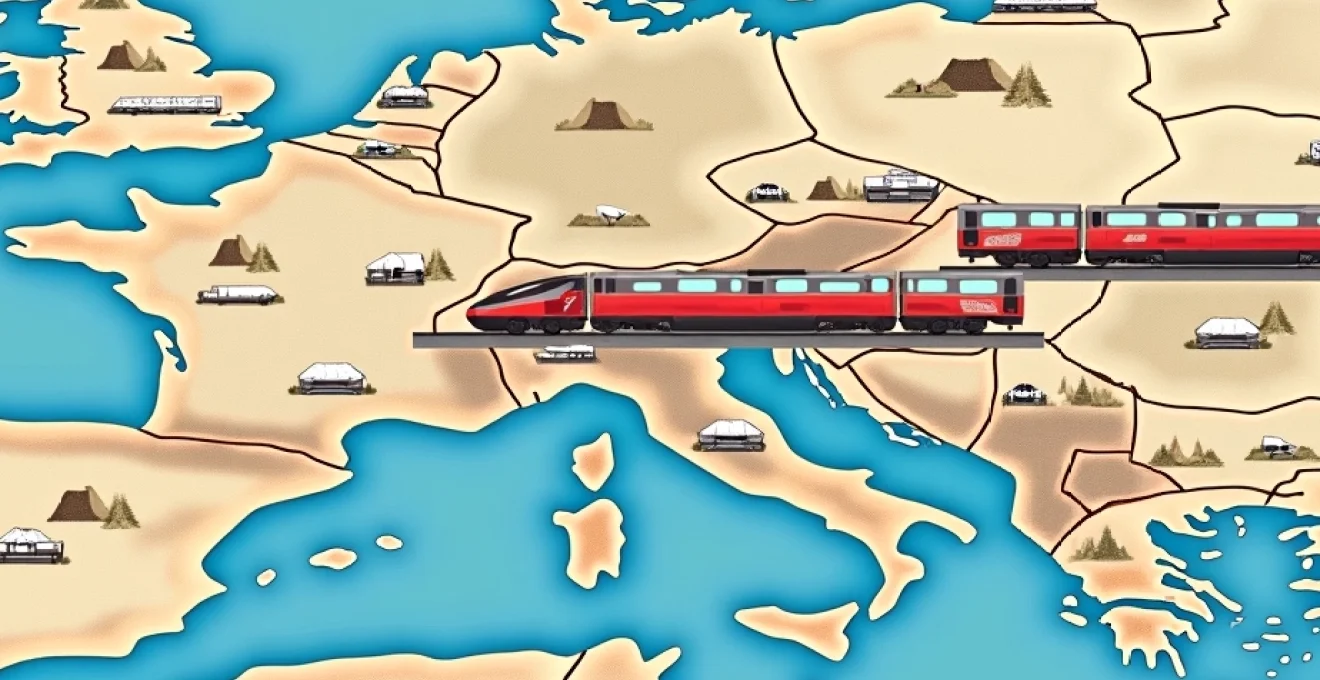
The railway connection between Budapest and Salzburg represents one of Central Europe’s most scenic and culturally rich travel corridors, linking the Hungarian capital with Mozart’s birthplace through approximately 454 kilometres of diverse landscapes. This international route serves as a vital artery connecting Eastern and Western European rail networks, offering passengers an alternative to air travel whilst showcasing the architectural heritage and natural beauty of the Danube region and Austrian Alps.
Modern high-speed infrastructure has transformed this historic railway line into an efficient transport solution, with journey times reduced to approximately 5 hours and 13 minutes on the fastest services. The route utilises a combination of upgraded Hungarian rail networks and Austria’s sophisticated Westbahn corridor, incorporating sections capable of speeds up to 230 kilometres per hour on newly modernised segments between Vienna and Salzburg.
Budapest keleti railway station: primary departure hub and terminal infrastructure
Budapest Keleti Railway Station serves as the primary departure point for international services to Austria, functioning as Hungary’s most significant railway terminus for cross-border connections. The station’s neoclassical architecture, dating from 1884, houses modern facilities designed to accommodate the substantial passenger volumes travelling between Central and Western Europe daily.
Platform configuration and track allocation for international services
International trains departing for Salzburg typically utilise platforms 6 through 9 at Keleti station, with platform 9 specifically designated for premium services including ÖBB Railjet trains. The station’s track configuration allows for efficient locomotive changes and technical inspections required for cross-border operations, ensuring minimal delays during the transition from Hungarian to Austrian railway systems.
Track allocation follows a systematic approach, with westbound international services concentrated on the station’s northern platforms to facilitate passenger flow and reduce congestion during peak departure periods. Electronic departure boards display real-time information in Hungarian, German, and English, providing comprehensive details about platform assignments, departure times, and any service disruptions.
Passenger facilities and ticketing operations at keleti pu
The station features comprehensive passenger amenities including international ticketing counters staffed by multilingual personnel capable of handling complex booking requirements for cross-border journeys. Currency exchange facilities operate throughout operational hours, providing essential services for international travellers requiring Austrian euros or other European currencies.
Premium lounge access is available for passengers holding first-class or business-class tickets, offering complimentary refreshments, wireless internet connectivity, and comfortable seating areas. The lounge facility, located near platform 9, provides an elevated departure experience particularly valued by business travellers and tourists seeking additional comfort before embarking on longer journeys.
Connecting transport links to budapest city centre
Metro Line M2 (red line) directly connects Keleti Railway Station to central Budapest locations including Deák Ferenc tér and the Parliament district, providing seamless integration between international rail services and urban transport networks. The journey from the city centre to Keleti typically requires 10-15 minutes via metro, making the station highly accessible for travellers staying in downtown accommodation.
Bus routes 7, 7E, and 78 offer alternative transport options connecting the station to various Budapest districts, whilst taxi services and ride-sharing applications provide door-to-door connectivity for passengers with substantial luggage or those preferring private transport. The station’s location approximately 3 kilometres from the historic city centre ensures convenient access without the complications often associated with more peripheral railway terminals.
Baggage handling procedures and storage facilities
Left luggage facilities operate daily at Keleti station, accommodating various baggage sizes with secure storage options for passengers requiring temporary luggage custody during Budapest stopovers. Automated lockers accept both cash and card payments, providing flexible solutions for short-term storage requirements ranging from a few hours to several days.
Porter services remain available for passengers requiring assistance with heavy luggage, particularly beneficial for elderly travellers or those managing multiple suitcases during international journeys. The station’s barrier-free design ensures accessibility for passengers with reduced mobility, incorporating lift access to all platforms and designated boarding areas for wheelchair users.
Direct ÖBB railjet service: schedule analysis and route specifications
The flagship service connecting Budapest with Salzburg operates under ÖBB’s Railjet brand, representing Austria’s premium international rail offering. These trains provide the fastest connection between the two cities, utilising cutting-edge rolling stock designed specifically for long-distance, high-speed operations across varied European railway infrastructure.
The Railjet service has revolutionised travel between Central European capitals, reducing journey times whilst maintaining exceptional comfort standards that rival premium air travel experiences.
Daily departure times and seasonal timetable variations
Railjet services operate at regular two-hour intervals throughout the day, commencing with early morning departures at 07:40 and continuing until evening services departing around 15:40. This frequent service pattern ensures flexibility for both business travellers requiring specific arrival times and tourists planning leisurely exploration schedules.
Seasonal timetable adjustments occur during summer months and major holiday periods, with additional services introduced to accommodate increased demand from tourism and leisure travel. Winter schedules may feature slight modifications to account for potential weather-related delays, though the route’s infrastructure generally maintains reliable operations throughout the year.
Peak travel periods including weekends, Austrian and Hungarian public holidays, and summer vacation seasons often experience higher passenger volumes, making advance booking particularly advisable during these timeframes. The coordination between Hungarian MÁV and Austrian ÖBB ensures seamless scheduling despite crossing international boundaries and different operational protocols.
Rolling stock configuration: railjet 4010 series technical specifications
The Railjet trains serving the Budapest-Salzburg route utilise Siemens-built EMU sets designated as series 4010, featuring seven-car configurations plus locomotive units designed for international multi-system operation. These trains incorporate advanced tilting technology allowing higher speeds through curved sections whilst maintaining passenger comfort and safety standards.
Technical specifications include a maximum operational speed of 230 kilometres per hour on suitable track sections, with the capability to operate across different electrical systems encountered when crossing from Hungarian to Austrian railway networks. The trains feature sophisticated climate control systems, double-glazed windows for noise reduction, and advanced suspension systems optimised for the varied track conditions encountered along the international route.
Onboard service classes: economy, first class, and business compartments
Economy class accommodation provides spacious seating with electrical outlets at every seat, complimentary wireless internet connectivity, and ample luggage storage in overhead compartments and designated areas throughout each carriage. Seats feature ergonomic design with adjustable headrests and sufficient legroom for comfortable travel during the 5-hour journey duration.
First-class compartments offer enhanced comfort with leather seating, increased personal space, and at-seat service for meals and beverages ordered from the onboard restaurant car. Business class represents the premium service tier, featuring the most spacious seating configuration, priority boarding privileges, and access to exclusive lounge facilities at major stations along the route.
Family-friendly zones provide specialised accommodation for passengers travelling with young children, incorporating play areas, baby-changing facilities, and sound-dampened environments to ensure comfortable journeys for families whilst minimising disturbance to other passengers. Bicycle storage compartments accommodate cyclists exploring the region, though advance reservations are mandatory for bicycle transport.
Catering services and restaurant car operations
The onboard restaurant car offers a comprehensive menu featuring both Hungarian and Austrian specialities, utilising fresh ingredients sourced from regional suppliers. Hot meals, light snacks, beverages including local wines and Austrian beers, and specialty coffee selections provide diverse catering options suitable for various dietary preferences and travel durations.
At-seat service operates in first-class and business-class compartments, allowing passengers to enjoy restaurant-quality meals without leaving their seats. This service proves particularly valuable during scenic portions of the journey, enabling passengers to simultaneously enjoy their meals whilst appreciating views of the Danube Bend region and Austrian Alpine foothills.
Cross-border railway procedures between hungary and austria
The border crossing at Hegyeshalom has been significantly streamlined since both Hungary and Austria joined the Schengen Area, eliminating systematic passport controls whilst maintaining occasional random security checks conducted by border authorities. Passengers typically remain seated throughout the brief station stop, during which locomotive changes and technical inspections occur to ensure compatibility with Austrian railway systems.
Operational procedures at the border include crew changes between Hungarian MÁV personnel and Austrian ÖBB staff, locomotive substitution from Hungarian to Austrian traction units, and technical verification of braking and communication systems. These processes typically require 5-10 minutes, during which passengers may observe the efficient coordination between the two national railway administrations.
Custom regulations remain applicable despite Schengen Area membership, particularly regarding transportation of valuable goods, large cash amounts, or restricted items. Travellers should carry valid identification documents and remain prepared for potential customs inspections, though such checks occur infrequently and typically involve minimal passenger inconvenience.
Currency considerations become relevant at the border crossing, as Hungary utilises the forint whilst Austria operates within the eurozone. Onboard services accept both currencies along with major credit cards, though passengers may prefer to exchange currency prior to departure or utilise ATM facilities available at major stations along the route.
Alternative route options via vienna hauptbahnhof transfer connection
Travellers seeking alternative routing options can utilise Vienna Hauptbahnhof as a transfer point, potentially offering more flexible scheduling or reduced fares depending on booking timing and availability. This routing involves taking any of the frequent Budapest-Vienna services followed by onward connection to Salzburg via Austrian domestic services.
The Vienna transfer option provides opportunities to explore Austria’s capital city during longer connection times, transforming a simple rail journey into a mini-break experience. Many passengers deliberately choose extended layovers to visit Vienna’s historic centre, which lies within easy reach of the main railway station via efficient urban transport links.
ÖBB regional express services from vienna to salzburg
Regional Express trains operate hourly between Vienna Hauptbahnhof and Salzburg, providing a reliable alternative to direct Railjet services whilst potentially offering lower fares for price-conscious travellers. These services utilise comfortable air-conditioned rolling stock with modern amenities, though journey times extend slightly compared to premium Railjet services.
The Regional Express route follows the historic Westbahn corridor, showcasing Austrian countryside and smaller provincial towns not typically served by international express services. This routing appeals to passengers interested in experiencing authentic Austrian rail travel whilst maintaining reasonable journey times and competitive pricing structures.
Connection time requirements and platform navigation
Minimum connection times at Vienna Hauptbahnhof typically range from 15-30 minutes depending on platform assignments and passenger mobility requirements. The station’s modern design facilitates efficient passenger flow between platforms, with clear signage in multiple languages and electronic departure boards providing real-time information about connecting services.
Platform navigation at Vienna Hauptbahnhof benefits from the station’s logical layout, with international services typically arriving at platforms serving onward Austrian domestic connections. Lift access ensures barrier-free movement between platform levels, whilst moving walkways assist passengers with luggage during longer platform transfers.
Westbahn private railway alternative via vienna
Westbahn, Austria’s private railway operator, provides an alternative service between Vienna and Salzburg utilising modern double-deck trains with enhanced comfort features and competitive pricing structures. These services often offer promotional fares significantly below ÖBB pricing , making them attractive for budget-conscious travellers willing to make the Vienna transfer.
Westbahn trains feature free wireless internet, power outlets at all seats, and a relaxed atmosphere with fewer restrictions compared to traditional railway services. The company’s customer service approach emphasises flexibility and passenger satisfaction, often resulting in positive travel experiences for international visitors unfamiliar with Austrian railway options.
Salzburg hauptbahnhof: arrival terminal and onward connections
Salzburg Hauptbahnhof serves as the primary railway gateway to Mozart’s birthplace, featuring modern facilities integrated with the city’s comprehensive public transport network. The station’s recent renovation incorporated contemporary passenger amenities whilst preserving architectural elements reflecting Salzburg’s UNESCO World Heritage status and cultural significance.
The station’s location approximately 2 kilometres from Salzburg’s historic centre provides convenient access via multiple transport options including buses, taxis, and bicycle rental facilities. Bus routes 1, 3, 5, and 6 connect directly to the Altstadt (Old Town), enabling passengers to reach major tourist attractions within 10-15 minutes of arriving at the railway station.
Onward rail connections from Salzburg facilitate travel throughout Austria and neighbouring countries, with services to Munich, Innsbruck, Zurich, and other major European destinations. The station’s role as a regional hub ensures frequent domestic services to Austrian cities and towns, providing comprehensive connectivity for passengers continuing their journeys beyond Salzburg itself.
Salzburg’s strategic position at the crossroads of Central European rail networks makes it an ideal staging point for exploring the broader Alpine region, from the Austrian Tirol to the Swiss Alps.
Luggage storage facilities, tourist information services, and currency exchange options ensure international passengers receive comprehensive support upon arrival. The station’s integration with Salzburg’s tourism infrastructure reflects the city’s commitment to facilitating seamless travel experiences for the millions of visitors attracted annually by its musical heritage and baroque architecture.
Booking strategies and fare structure analysis for Budapest-Salzburg route
Fare structures for the Budapest-Salzburg route follow dynamic pricing models similar to airline ticketing, with significant potential savings available for passengers booking well in advance of their travel dates. Early booking discounts can reduce ticket prices by up to 50% compared to full-fare tickets purchased at departure time. The most advantageous fares typically become available when booking windows open, usually 6 months prior to travel dates.
Sparschiene tickets represent ÖBB’s heavily discounted advance-purchase fare category, offering substantial savings with the trade-off of reduced flexibility regarding changes and cancellations. These promotional fares feature limited availability and sell out quickly during peak travel periods, making early booking essential for price-sensitive travellers planning their journeys during high-demand seasons.
Europa Spezial Hungary represents a collaborative fare product between ÖBB and MÁV, specifically designed for cross-border journeys and often providing better value than booking separate domestic tickets for each country segment. This integrated pricing approach reflects the cooperation between European railway operators in promoting international rail travel as an alternative to air transport.
Interrail and Eurail pass holders can utilise the Budapest-Salzburg route without purchasing separate tickets, though mandatory seat reservations require additional fees ranging from €4-10 depending on service class and booking timing. Pass holders benefit from flexible travel options whilst avoiding the complexity of navigating different national ticketing systems and currency considerations.
Group booking discounts become available for parties of 6 or more passengers, potentially offering significant savings for organised tours, family groups, or corporate travel arrangements. These discounts often apply to both ticket prices and seat reservation fees, making group travel an economically attractive option for larger parties exploring Central Europe by rail.
Booking platform selection impacts both pricing and convenience, with ÖBB’s direct booking systems offering the most comprehensive fare options whilst third-party platforms may charge additional booking fees in exchange for simplified purchasing processes and customer support in multiple languages. The choice between platforms often depends on travellers’ preferences regarding price optimisation versus booking convenience and post-purchase support services.