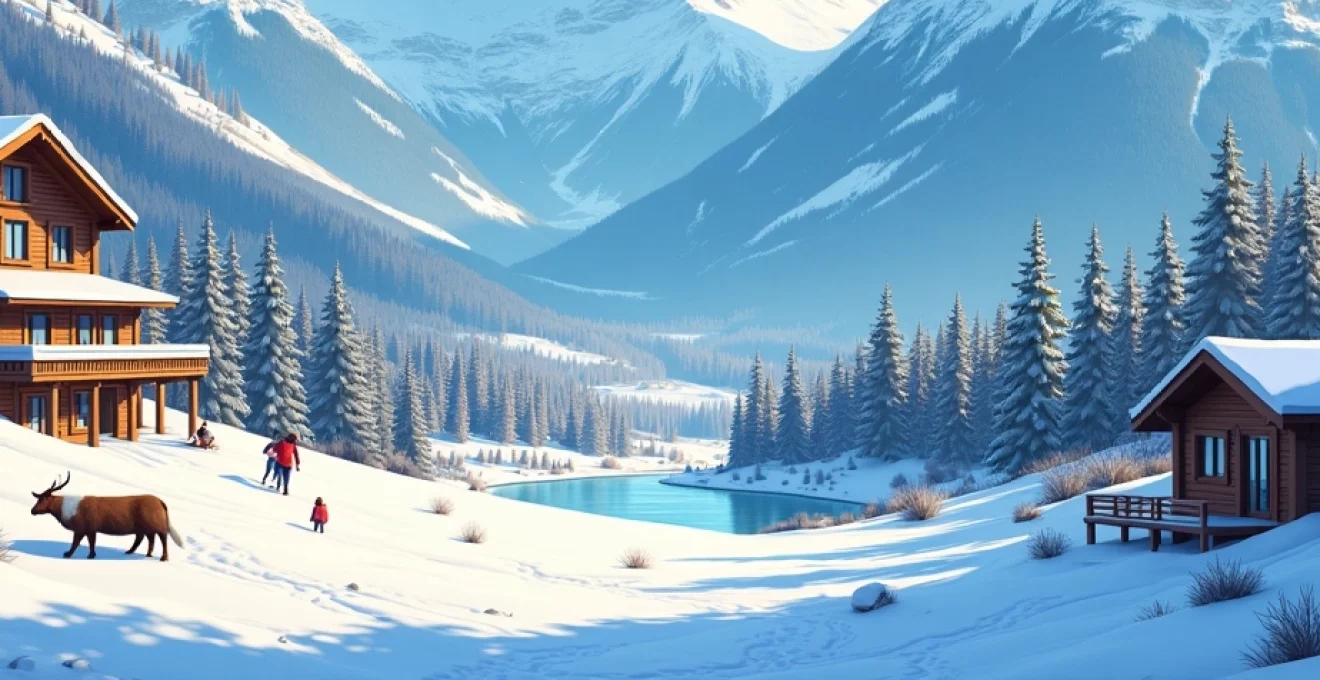
January transforms Europe into a captivating tapestry of winter experiences, from snow-laden Alpine peaks to surprisingly mild Mediterranean coastlines. While many travellers associate European winters with harsh conditions and limited activities, the continent’s diverse geography and cultural richness actually make it an exceptional destination during the year’s opening month. The combination of off-season pricing, reduced crowds, and unique seasonal attractions creates compelling opportunities for discerning travellers seeking authentic experiences.
Beyond the obvious appeal of winter sports destinations, January reveals Europe’s quieter side through atmospheric cityscapes, centuries-old festivals, and regional celebrations that showcase local traditions. The continent’s sophisticated transportation networks and well-developed tourism infrastructure ensure that even during winter months, accessibility and comfort remain paramount. Whether you’re drawn to the crystalline silence of Alpine valleys or the gentle warmth of southern coastal regions, January offers distinctive experiences that differ markedly from peak summer tourism.
Winter weather patterns and climate considerations for january travel
Understanding Europe’s complex meteorological landscape during January requires recognising the significant variations across different geographical zones and elevation levels. The continent experiences a fascinating convergence of weather systems that create microclimates capable of supporting diverse travel experiences within relatively short distances. Temperature differentials can span more than 30 degrees Celsius between northern Scandinavia and southern Mediterranean islands, making careful destination selection crucial for matching weather expectations with travel objectives.
The Atlantic Maritime influence moderates temperatures across western coastal regions, while continental air masses create more extreme conditions inland. These weather patterns directly impact tourism infrastructure, accessibility, and activity availability. January typically represents the coldest month across most of Europe, yet certain regions maintain surprisingly pleasant conditions that support outdoor exploration and cultural activities.
Alpine climate zones: temperature variations from chamonix to zermatt
Alpine regions experience their most dramatic winter conditions during January, with temperatures frequently dropping below -10°C at elevation. Chamonix, situated at 1,035 metres, typically records daytime temperatures ranging from -5°C to 2°C, while nighttime temperatures can plummet to -15°C. The valley’s position creates temperature inversions that can trap cold air, resulting in particularly crisp conditions ideal for winter sports enthusiasts.
Zermatt’s higher elevation at 1,620 metres produces even more extreme conditions, with January temperatures averaging -8°C during the day and falling to -18°C overnight. However, the resort’s exceptional snow conditions and reliable weather patterns make it a premier destination for serious skiers and mountaineers. The föhn winds occasionally bring dramatic temperature increases, sometimes raising temperatures by 15-20 degrees within hours, creating unique atmospheric conditions.
Mediterranean winter microclimates in southern spain and portugal
Southern Iberian regions maintain remarkably mild conditions throughout January, with coastal areas of Andalusia experiencing average temperatures between 8°C and 16°C. The Canary Islands represent Europe’s warmest January destination, with temperatures consistently reaching 18-22°C during daylight hours. These Atlantic archipelagos benefit from subtropical influences that create near-perfect conditions for those seeking winter sunshine without leaving European territories.
Portugal’s Algarve region offers another compelling option, with January temperatures typically ranging from 9°C to 16°C. The region’s southern exposure and Atlantic moderation create conditions suitable for outdoor dining, coastal walks, and cultural exploration. Rainfall patterns during January can vary significantly, with some years experiencing extended dry periods while others may see periodic Atlantic storm systems.
Atlantic maritime influence on western european weather systems
The Gulf Stream’s warming effect profoundly impacts western European climates, creating surprisingly mild conditions along Atlantic coastlines. Ireland and western Scotland experience January temperatures that rarely drop below freezing, despite their northern latitudes. This maritime moderation extends inland across much of the British Isles, creating conditions more favourable than comparable latitudes in North America or Asia.
Western France benefits similarly from Atlantic influences, with coastal regions maintaining average January temperatures between 5°C and 10°C. The maritime climate produces frequent precipitation but also prevents the extreme cold that characterises continental European regions. These conditions support year-round tourism activities, particularly cultural and culinary experiences that thrive in milder winter environments.
Continental climate impact on central european tourist infrastructure
Central European regions experience the most pronounced winter conditions, with cities like Prague, Vienna, and Budapest regularly recording temperatures below freezing throughout January. Prague averages -1°C to 3°C during the day, with nighttime temperatures often dropping to -5°C. These conditions create atmospheric winter cityscapes but require appropriate clothing and accommodation heating systems.
The continental climate’s reliability enables tourism infrastructure to adapt effectively to winter conditions. Hotels implement efficient heating systems, restaurants create cozy indoor environments, and cultural attractions develop winter programming that capitalises on the season’s unique atmosphere. Snow coverage in these regions can persist for several weeks, creating picturesque urban landscapes that enhance the appeal of winter city breaks.
Peak season winter sports destinations across the alps
January represents the pinnacle of Alpine winter sports season, with optimal snow conditions, extensive terrain access, and sophisticated resort infrastructure operating at full capacity. The convergence of natural snowfall, advanced snowmaking technology, and decades of resort development creates unparalleled opportunities for winter recreation across multiple countries and elevation zones.
Resort accessibility during January reaches its peak efficiency, with cable cars, chairlifts, and transportation systems designed to handle maximum capacity. Accommodation options span from luxury mountain lodges to budget-friendly hostels, providing choices for diverse travel preferences and financial considerations. The concentration of winter sports enthusiasts creates vibrant après-ski cultures that extend the mountain experience beyond daylight hours.
French alpine resorts: val d’isère and courchevel snow conditions
Val d’Isère consistently ranks among Europe’s most reliable ski destinations, with January snow depths typically exceeding 100 centimetres at resort level and reaching 200-300 centimetres at higher elevations. The resort’s connection to Tignes creates the Espace Killy ski area, providing access to more than 300 kilometres of marked pistes across varied terrain and elevation zones.
Courchevel’s position within the Trois Vallées system offers even greater skiing scope, with access to over 600 kilometres of interconnected slopes. The resort’s multiple altitude zones ensure snow reliability, with the highest skiing reaching 3,230 metres at Sommet de la Saulire. January conditions typically provide excellent powder snow and consistent temperatures that maintain slope quality throughout the day.
Austrian ski infrastructure: innsbruck and salzburg regional access
Innsbruck serves as a gateway to multiple ski regions, including the Nordkette mountains directly accessible by funicular from the city centre. The unique combination of urban culture and immediate mountain access allows visitors to experience both Alpine adventure and historical city exploration within a single destination. January snow conditions typically support skiing from 1,900 metres elevation, with reliable access to glacial skiing areas.
Salzburg provides access to numerous ski regions within 90 minutes’ drive, including the extensive Ski Amadé network encompassing over 760 kilometres of slopes. The region’s infrastructure includes sophisticated snowmaking systems that ensure consistent conditions even during periods of limited natural snowfall. Transportation connections between Salzburg and surrounding resorts operate on enhanced winter schedules to accommodate peak season demand.
Swiss winter tourism hubs: st. moritz and verbier accessibility
St. Moritz epitomises luxury winter tourism, with January conditions supporting both Alpine and Nordic skiing across the Engadin valley. The resort’s elevation at 1,856 metres ensures reliable snow conditions, while the valley’s orientation provides exceptional sun exposure during short winter days. The combination of natural snow and advanced grooming creates consistent slope conditions throughout the season.
Verbier’s position within the 4 Vallées ski area provides access to over 410 kilometres of slopes, with January typically offering optimal powder conditions and reliable off-piste opportunities. The resort’s infrastructure includes high-capacity cable cars that minimise lift queues even during peak periods. Backcountry access from Verbier enables experienced skiers to explore some of Europe’s most challenging terrain under appropriate safety precautions.
Italian dolomites: cortina d’ampezzo and val gardena logistics
Cortina d’Ampezzo combines dramatic mountain scenery with sophisticated resort amenities, creating one of Europe’s most visually spectacular ski destinations. January snow conditions typically support skiing across multiple mountain faces, with the Lagazuoi-5 Torri area offering particularly reliable snow and stunning panoramic views. The resort’s infrastructure includes modern lift systems that provide efficient access to varied terrain.
Val Gardena’s position within the Dolomiti Superski network enables access to over 1,200 kilometres of interconnected slopes through a single lift pass. The valley’s three main resort towns—Ortisei, Santa Cristina, and Selva—provide different accommodation and dining options while maintaining access to the same extensive ski terrain. Cultural attractions in the region include traditional Alpine architecture and distinctive South Tyrolean cuisine that reflects the area’s unique cultural heritage.
Cultural festival calendar and january events programming
January’s cultural calendar across Europe features distinctive celebrations that highlight regional traditions and provide authentic local experiences unavailable during other seasons. These events range from ancient religious observances to contemporary arts festivals, creating opportunities for cultural immersion that complement traditional tourism activities.
The timing of these celebrations often coincides with post-holiday travel preferences, when visitors seek meaningful experiences that differ from commercial tourism offerings. Festival programming typically incorporates local traditions, seasonal foods, and community participation that provides insight into authentic European cultural practices.
Venetian carnival Pre-Season events and mask workshops
Venice’s January programming includes preparatory events leading to the famous Carnival celebration, with mask-making workshops, historical costume exhibitions, and traditional craft demonstrations occurring throughout the month. These pre-Carnival activities provide intimate access to Venetian artisanal traditions without the crowds that characterise the main celebration period.
Local ateliers offer hands-on experiences in mask creation, glass blowing, and traditional costume design, enabling visitors to engage directly with centuries-old craft traditions. The atmospheric winter setting enhances Venice’s mysterious character, with fog-shrouded canals and quiet campi creating exceptional photographic opportunities and contemplative exploration experiences.
Epiphany celebrations in rome and vatican city protocols
Rome’s Epiphany celebrations on January 6th include traditional ceremonies at major basilicas, with special papal audiences and religious processions that showcase Catholic traditions. The Befana celebration combines religious observance with folk traditions, creating family-friendly events throughout the city’s piazzas and neighbourhood centres.
Vatican City hosts special liturgical celebrations during the Epiphany period, with enhanced access to normally restricted areas and ceremonial events that highlight the institution’s artistic and spiritual heritage. Advance planning for these events requires understanding Vatican protocols and reservation systems that manage access during significant religious celebrations.
Burns night festivities across scottish highland venues
Scotland’s Burns Night celebrations on January 25th create opportunities to experience traditional Highland culture through formal dinners, poetry recitations, and folk music performances. Edinburgh and Glasgow host numerous events ranging from intimate pub gatherings to formal hotel celebrations that include traditional haggis ceremonies and whisky tastings.
Highland venues offer particularly authentic Burns Night experiences, with castle hotels and country estates providing settings that reflect the cultural context of Robert Burns’ era. These celebrations often include traditional Scottish dancing instruction, bagpipe performances, and guided tastings of regional whiskies that enhance understanding of Scottish cultural traditions.
Orthodox christmas observances in eastern european capitals
Eastern European capitals including Belgrade, Sofia, and Moscow celebrate Orthodox Christmas on January 7th, providing opportunities to experience distinctive religious and cultural traditions. These celebrations often extend for several days, incorporating traditional foods, church services, and community festivities that reflect centuries-old customs.
The Orthodox calendar creates unique travel opportunities during January, with Christmas markets, traditional craft exhibitions, and cultural performances that differ significantly from Western European celebrations. Language barriers may present challenges in some locations, but the visual and experiential aspects of these celebrations provide meaningful cultural encounters regardless of communication limitations.
Off-peak urban exploration opportunities
January’s reduced tourist volumes create exceptional opportunities for experiencing Europe’s major cities without the crowds, queues, and elevated prices that characterise peak season travel. Museums, galleries, and cultural attractions often implement special winter programming that takes advantage of increased local attendance and enhanced visitor services. The atmospheric qualities of winter cityscapes—from snow-dusted Prague Castle to misty London bridges—provide photographic and experiential opportunities unavailable during warmer months.
Urban exploration during January requires appropriate preparation for weather conditions and potential service modifications, but rewards visitors with authentic city experiences that reflect local daily life rather than tourist-focused activities. Restaurant reservations become more readily available, allowing access to establishments that may require weeks of advance booking during peak seasons. Cultural institutions often schedule major exhibitions during winter months, recognising the increased availability of serious art and history enthusiasts.
Cities like Vienna, Budapest, and Copenhagen excel during winter months, with their café cultures, museum collections, and architectural heritage creating compelling indoor experiences that complement atmospheric outdoor exploration. The reduced pace of winter city life enables deeper engagement with local customs, from afternoon coffee traditions in Viennese kaffeehäuser to the hygge philosophy evident in Scandinavian urban design. Public transportation systems typically maintain full service with heated vehicles and weather-protected stations that ensure comfortable urban mobility regardless of external conditions.
January’s urban landscapes reveal Europe’s cities in their most authentic form, stripped of tourist veneer and enhanced by the intimate atmosphere that winter weather naturally creates.
Transportation infrastructure and january connectivity
Europe’s sophisticated transportation network adapts effectively to January weather conditions through comprehensive winter service protocols, enhanced safety measures, and specialised equipment designed for cold weather operations. Rail systems implement cold weather timetables that account for potential delays while maintaining reliable connections between major destinations. High-speed rail services including TGV, ICE, and AVE operate on modified schedules that prioritise safety while ensuring connectivity to winter tourism destinations.
Air transportation during January benefits from reduced demand on many routes, creating opportunities for competitive pricing and seat availability that may be scarce during peak seasons. However, weather-related delays become more common, requiring flexible travel planning and appropriate contingency arrangements. Budget airlines often reduce service frequency to secondary destinations during winter months, making advance booking essential for optimal routing and pricing.
Regional transportation systems serving ski resorts and mountain destinations operate enhanced winter schedules with increased frequency and capacity to accommodate seasonal demand. Shuttle services, cable cars, and mountain railways implement cold weather operational procedures that ensure reliable access even during severe weather conditions. Road transportation requires careful consideration of tire requirements, weather conditions, and potential route closures, particularly for travel to Alpine regions where snow chains may be mandatory.
Ferry services across the Mediterranean reduce frequency during January but maintain connections to major islands with winter tourism appeal. Vehicle transportation on these services enables independent exploration of island destinations while providing flexibility for changing weather conditions or travel preferences. Public transportation within cities typically maintains full winter service with heated vehicles, covered stops, and real-time information systems that minimise exposure to harsh weather conditions.
Accommodation pricing strategies and seasonal availability
January accommodation pricing across Europe follows predictable patterns that create significant cost advantages for informed travellers, with most destinations implementing substantial reductions following the New Year holiday period. Luxury hotels in major cities often offer their most competitive rates during late January, when business travel remains light and leisure tourism traditionally reaches annual lows. These pricing strategies extend beyond simple rate reductions to include value-added packages that incorporate meals, spa services, or cultural activities at fraction of peak-season costs.
Ski resort accommodation presents a contrasting scenario, with January representing peak pricing for mountain destinations that experience maximum demand during optimal snow conditions. However, early booking strategies and flexible travel dates can yield substantial savings even in these premium locations. Package deals combining accommodation with lift passes often provide better value than individual bookings, particularly for extended stays or group travel arrangements.
Vacation rental platforms offer exceptional January opportunities in urban destinations, with property owners eager to maintain occupancy during traditionally slow periods. These accommodations provide particular value for extended stays or travellers seeking authentic local neighbourhood experiences rather than tourist-oriented hotel services. Properties in residential areas often include kitchen facilities that enable cost savings through local market shopping and home meal preparation using regional ingredients.
Strategic accommodation booking during January can reduce travel costs by 40-60% compared to peak season rates while providing access to premium properties and services that may be unavailable during busier periods.
Boutique hotels and family-operated establishments frequently implement creative January programming that includes cooking classes, wine tastings, or cultural workshops designed to attract visitors during slower periods. These enhanced services create additional value beyond simple rate reductions while providing authentic local experiences that mass-market hotels cannot
replicate.
Alpine and northern European destinations present complex accommodation landscapes during January, with availability patterns that shift dramatically based on proximity to winter sports facilities. Properties in non-skiing mountain towns often experience significant rate reductions while maintaining full amenities, creating opportunities for atmospheric mountain experiences without premium resort pricing. Thermal spa hotels in regions like Baden-Württemberg or the Hungarian countryside capitalise on winter wellness tourism trends, offering comprehensive packages that combine healing treatments with cultural exploration.
Eastern European capitals including Prague, Budapest, and Krakow implement aggressive January pricing strategies to maintain occupancy during their coldest months. These destinations often feature castle hotels and historic properties that provide exceptional value during winter months, when their atmospheric interiors become particularly appealing. The combination of architectural grandeur, efficient heating systems, and reduced competition creates compelling value propositions that may be impossible to access during warmer seasons.
Coastal Mediterranean properties transition to winter maintenance schedules that can affect availability but also create opportunities for extended stay negotiations. Properties in Spain’s Costa del Sol or Portugal’s Algarve may close certain amenities like outdoor pools but compensate with enhanced indoor facilities and personalised service levels that busy summer seasons cannot accommodate. Long-term rental agreements become particularly attractive during January, when property owners prefer guaranteed occupancy over uncertain short-term bookings.
The convergence of reduced demand, competitive pricing, and enhanced service levels makes January accommodation booking a strategic advantage for travellers prioritising value and authentic local experiences over peak season convenience.
Corporate travel patterns during January also influence accommodation availability, with business hotels in financial centres like Frankfurt, Milan, and Amsterdam experiencing their lowest occupancy rates of the year. These properties often extend leisure-focused packages that include weekend rates for weekday stays, cultural activity vouchers, or dining credits that significantly enhance overall travel value. The professional infrastructure and central locations of business hotels provide excellent bases for urban exploration while benefiting from competitive January pricing structures.