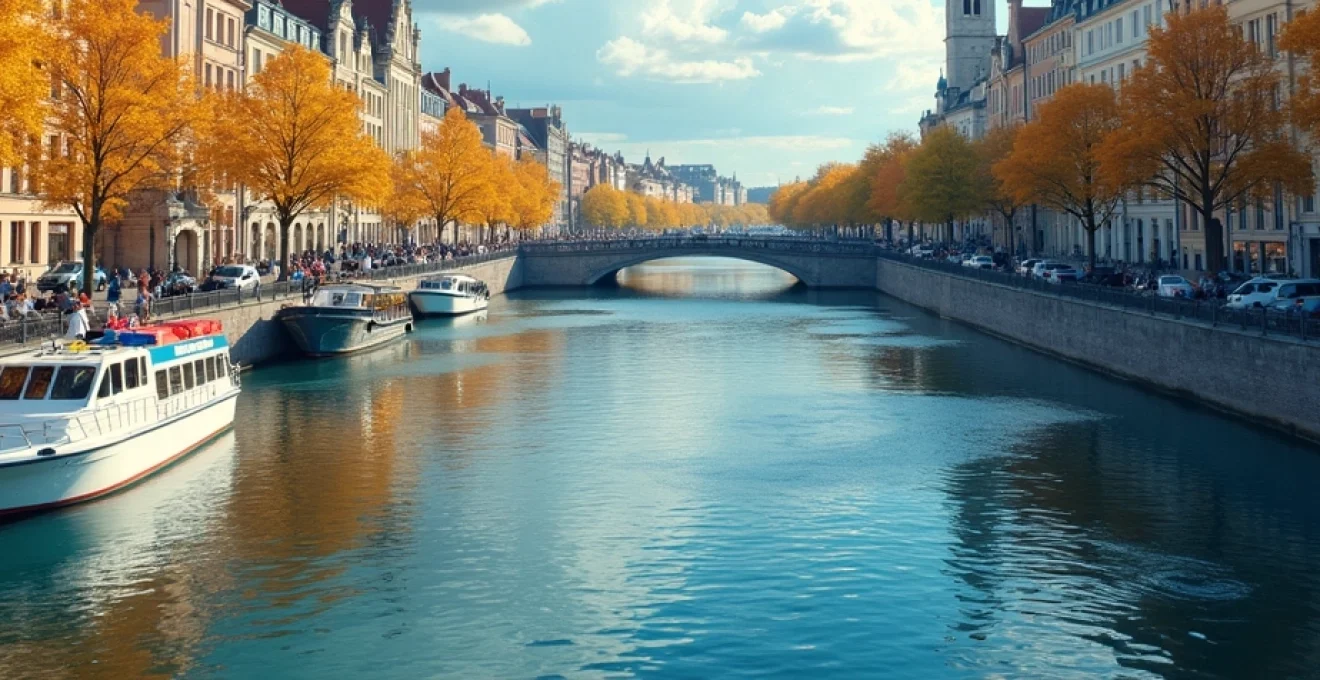
March presents an exceptional opportunity for travellers seeking to experience Europe during one of its most transitional and dynamic periods. As winter gradually loosens its grip across the continent, cities begin to awaken with renewed energy, blooming landscapes, and comfortable temperatures that make exploration both pleasant and rewarding. This month offers the perfect balance between avoiding the peak summer crowds and enjoying increasingly favourable weather conditions that enhance your travel experience.
The appeal of March travel extends beyond simple weather considerations. Cultural calendars burst with vibrant festivals, from Ireland’s legendary St. Patrick’s Day celebrations to Valencia’s spectacular Las Fallas festival. Museums and historical sites operate with more manageable visitor numbers, whilst accommodation prices remain refreshingly reasonable compared to the summer peak season. Whether you’re drawn to the Mediterranean’s early spring warmth or the Nordic countries’ extended daylight hours, March provides diverse opportunities for memorable European adventures.
Weather patterns and climatic conditions across european destinations in march
Understanding March weather patterns across Europe requires recognising the continent’s diverse geographical influences and microclimates. The month serves as a crucial transition period where Mediterranean regions begin experiencing genuine spring conditions, whilst northern territories still maintain cooler temperatures with rapidly increasing daylight hours. Coastal areas benefit from maritime influences that moderate temperature swings, making them particularly appealing for travellers seeking consistent, mild conditions.
Mediterranean basin temperature fluctuations: barcelona, rome, and athens
The Mediterranean basin experiences some of Europe’s most favourable March weather, with average temperatures ranging from 15°C to 18°C during daylight hours. Barcelona enjoys particularly pleasant conditions, with mild sea breezes tempering any potential heat whilst providing enough warmth for comfortable outdoor dining and extended walking tours through the Gothic Quarter. The city’s proximity to both sea and mountains creates microclimates that offer variety within short distances.
Rome’s March climate proves ideal for exploring the eternal city’s extensive archaeological sites and outdoor piazzas. With temperatures averaging 16°C and minimal rainfall, visitors can comfortably spend entire days wandering through the Forum Romanum or climbing the Palatine Hill without the oppressive summer heat that later makes such activities challenging. The pleasant weather allows for al fresco dining experiences that showcase Roman culinary traditions at their finest.
Athens benefits from its southeastern Mediterranean position, often recording the warmest March temperatures among major European capitals. The clear, dry weather creates perfect conditions for photographing the Acropolis and exploring the ancient Agora. The extended sunshine hours, typically reaching 7-8 hours daily, provide ample time for both historical exploration and modern cultural experiences throughout the vibrant Psyrri and Exarchia neighbourhoods.
Atlantic coastal climate variations: lisbon, dublin, and edinburgh
Atlantic coastal cities present more variable March weather patterns, influenced by oceanic currents and prevailing westerly winds. Lisbon stands out among Atlantic destinations for its remarkably mild March conditions, with temperatures often reaching 18°C and abundant sunshine that illuminates the city’s famous azulejo-tiled buildings. The Atlantic influence moderates temperature extremes whilst providing refreshing breezes that make exploration comfortable throughout the day.
Dublin’s March weather embodies the classic Irish spring experience, with temperatures hovering around 10°C to 12°C accompanied by the occasional shower that keeps the surrounding countryside impossibly green. The changing weather patterns create dramatic sky formations that enhance photography opportunities, particularly when exploring the Phoenix Park or walking along the River Liffey. The variable conditions require flexible planning but reward visitors with authentic Irish atmospheric experiences.
Edinburgh presents a compelling case for March travel, despite cooler temperatures averaging 8°C to 11°C. The city’s elevation and northern latitude mean weather can change rapidly, but the dramatic landscapes of Arthur’s Seat and the Royal Mile gain particular character from spring light conditions. The contrast between the medieval Old Town’s stone architecture and the emerging spring vegetation creates striking visual combinations that justify the need for layered clothing.
Continental european spring transition: vienna, prague, and budapest
Continental European capitals experience March as a genuine transitional month, where winter’s influence gradually diminishes whilst spring elements become increasingly prominent. Vienna exemplifies this transition beautifully, with temperatures rising from 5°C early in the month to 15°C by month’s end. The city’s imperial architecture gains particular grandeur against the backdrop of emerging spring colours in the Schönbrunn and Belvedere palace gardens.
Prague’s March weather creates atmospheric conditions that perfectly complement the city’s fairy-tale architecture. Morning mists often shroud the Vltava River and Prague Castle, creating mystical photographic opportunities that dissolve into bright afternoon sunshine. The temperature variation between morning and evening requires thoughtful packing, but rewards visitors with some of the most dramatic urban landscapes in Europe.
Budapest benefits from its position on the Danube Plain, experiencing more stable March weather than many continental cities. The thermal baths become particularly appealing during this period, offering outdoor relaxation when air temperatures reach 12°C to 14°C. The contrast between the warm thermal waters and cool spring air creates a uniquely rejuvenating experience that epitomises Hungarian spa culture.
Northern european daylight extension: stockholm, copenhagen, and amsterdam
Northern European cities undergo dramatic daylight transformations during March, with rapidly extending days creating renewed energy and optimism among both residents and visitors. Stockholm experiences one of Europe’s most remarkable daylight transitions, gaining nearly four hours of daylight throughout the month. By late March, the city enjoys over 12 hours of daylight, transforming the archipelago landscape into a photographer’s paradise.
Copenhagen’s March appeal extends beyond simple daylight considerations to encompass the Danish concept of hygge in its spring manifestation. The city’s numerous parks and waterfront areas become increasingly attractive as temperatures rise to 7°C to 10°C, whilst the extended daylight hours allow for leisurely evening exploration of the Nyhavn district and Christianshavn canals.
Amsterdam’s unique position creates a perfect storm of favourable March conditions, combining extended Northern European daylight with relatively mild Atlantic-influenced temperatures. The famous canals reflect the increasing spring light beautifully, whilst the Keukenhof Gardens nearby prepare for their spectacular April opening with early flowering displays that hint at the magnificent shows to come.
Cultural events and seasonal festivals during march european travel
March transforms European cities into vibrant cultural hubs where centuries-old traditions merge with contemporary celebrations. The month’s cultural calendar offers unprecedented variety, from religious observances that showcase Europe’s spiritual heritage to secular festivals that celebrate regional identity and artistic expression. Understanding these cultural rhythms allows travellers to time their visits for maximum immersive experiences.
St. patrick’s day celebrations in dublin and traditional irish heritage sites
Dublin’s St. Patrick’s Day celebrations extend far beyond the famous March 17th parade, encompassing a week-long festival that showcases Irish culture in all its forms. The city transforms into a green-hued celebration of Irish identity, with traditional music sessions in historic pubs, literary events that honour Ireland’s Nobel Prize-winning authors, and contemporary art installations that reinterpret ancient Celtic themes. The Temple Bar district becomes the epicentre of international celebration, whilst more authentic experiences await in neighborhoods like Smithfield and the Liberties.
Traditional Irish heritage sites throughout the country offer profound cultural experiences during March. The ancient passage tomb at Newgrange, predating Stonehenge by several centuries, provides context for understanding pre-Christian Irish spirituality. The Cliffs of Moher and the Ring of Kerry showcase the natural landscapes that shaped Irish cultural identity, whilst medieval sites like Kilkenny Castle demonstrate the complex historical influences that created modern Irish culture.
Beyond Dublin, smaller Irish cities like Cork and Galway offer more intimate St. Patrick’s Day experiences that emphasise local traditions over tourist spectacle. These celebrations often feature traditional Irish language performances, authentic sean-nós dancing, and artisan craft demonstrations that provide deeper cultural understanding than larger urban celebrations typically allow.
Las fallas festival valencia: pyrotechnic displays and artisan installations
Valencia’s Las Fallas festival represents one of Europe’s most spectacular and unique cultural celebrations, combining artistic achievement with pyrotechnic mastery in ways that create unforgettable sensory experiences. The festival, which culminates on March 19th, features hundreds of elaborate fallas installations throughout the city—massive sculptural works that artists spend months creating specifically for ceremonial burning during the festival’s climax.
The artistic component of Las Fallas deserves particular attention, as master craftspeople called falleros create installations that comment on contemporary social and political issues through traditional sculptural techniques. These temporary artworks demonstrate Spain’s vibrant satirical tradition whilst showcasing technical skills passed down through generations. The juxtaposition between artistic creation and ritualistic destruction creates philosophical depth that elevates Las Fallas beyond simple carnival celebration.
Valencia’s entire urban landscape transforms during Las Fallas, with daily firework displays called mascletà that create thunderous sound experiences in the Plaza del Ayuntamiento. The festival’s culmination, known as La Cremà , involves the simultaneous burning of all fallas installations except the winner, which is preserved in the Fallas Museum. This combination of artistic appreciation and ritualistic destruction creates one of Europe’s most emotionally powerful cultural experiences.
Easter preparation ceremonies in vatican city and orthodox traditions
Vatican City during March offers unparalleled access to Catholic Easter preparations, particularly during years when Easter falls early. The papal audiences and special liturgical celebrations provide intimate glimpses into one of Christianity’s most important observances. St. Peter’s Basilica and the Sistine Chapel host ceremonies that combine artistic masterpieces with living religious tradition in ways that create profound spiritual experiences regardless of personal religious beliefs.
Orthodox Easter preparations throughout Eastern Europe present alternative Christian traditions that often coincide with Catholic observances in March. Cities like Athens, Belgrade, and Bucharest host ceremonies that emphasise different theological interpretations whilst maintaining similar spiritual intensities. The Orthodox emphasis on iconographic art and choral music creates distinctly different atmospheric experiences from Catholic celebrations.
The preparation period itself offers unique cultural insights, as religious communities throughout Europe engage in traditional practices that connect contemporary life with centuries-old spiritual disciplines. These observances often include special culinary traditions, musical performances, and artistic displays that provide comprehensive cultural education opportunities for respectful observers.
Carnival season finale: venice masquerade and rhine valley celebrations
Venice’s Carnival concludes during early March in most years, offering the final opportunities to witness one of Europe’s most sophisticated masked celebrations. The Venetian approach to Carnival emphasises artistic elegance and historical authenticity, with participants wearing meticulously crafted masks and period costumes that transform the city into a living theatrical performance. The intimate scale of Venice’s canals and piazzas creates close encounters with this artistic tradition that larger carnival celebrations cannot match.
Rhine Valley carnival celebrations, particularly in Cologne, Düsseldorf, and Mainz, present Germanic interpretations of pre-Lenten festivities that emphasise community participation over aristocratic display. These celebrations feature elaborate floats, satirical performances, and regional musical traditions that provide insights into contemporary German social commentary. The Rosenmontag parades represent pinnacles of German festival organisation and popular humour.
The contrast between Italian aesthetic sophistication and German populist celebration illustrates European cultural diversity whilst maintaining shared carnival traditions. Both approaches offer valuable cultural experiences, with Venice emphasising visual artistry and historical continuity whilst Rhine Valley celebrations prioritise social participation and contemporary relevance.
Tourism infrastructure and crowd density analysis for march destinations
March represents an optimal period for European travel when tourism infrastructure operates at full capacity without experiencing the overwhelming demand that characterises peak summer months. Hotels, restaurants, and transportation services maintain high service standards whilst offering more personalised attention and competitive pricing. Understanding crowd patterns and infrastructure advantages allows travellers to maximise both comfort and value during their European adventures.
Off-peak accommodation pricing: florence, bruges, and salzburg
Florence during March offers exceptional accommodation value, with luxury hotels reducing rates by 30-40% compared to peak season pricing whilst maintaining full service amenities. The city’s renowned hospitality sector provides increased availability in historic palazzos and boutique properties that become nearly impossible to book during summer months. The combination of favourable pricing and superior service creates ideal conditions for experiencing Florence’s renaissance heritage in comfort and style.
Bruges exemplifies March accommodation advantages for medieval European destinations, where historic buildings converted to luxury hotels offer atmospheric stays at reasonable prices. The city’s small scale means that any accommodation choice provides easy access to major attractions, whilst the reduced tourist volume allows for more authentic interactions with local residents and business owners. Canal-view rooms become achievable luxuries rather than premium-priced necessities.
Salzburg’s March accommodation landscape benefits from the city’s dual appeal as both a cultural destination and Alpine gateway. Hotels catering to summer music festival audiences and winter sports enthusiasts often offer March promotions that combine both experiences at reduced rates. The transitional season allows visitors to experience both the city’s baroque architecture and nearby mountain landscapes without the extreme pricing of peak winter or summer periods.
Museum queue management: louvre, prado, and uffizi gallery strategies
The Louvre’s March visitor patterns create optimal conditions for art appreciation, with significantly reduced queuing times and more intimate gallery experiences. The museum’s vast collections become genuinely accessible when crowds thin, allowing for contemplative viewing of masterpieces like the Mona Lisa and Venus de Milo without the jostling and time pressures that characterise peak season visits. Advanced reservations become easier to secure, often with same-day availability for preferred time slots.
Madrid’s Prado Museum offers exceptional March experiences, particularly for visitors interested in Spanish Golden Age paintings and Goya’s masterworks. The reduced crowds allow for extended contemplation of works like Las Meninas and The Third of May, whilst the museum’s recent renovation provides climate-controlled comfort that enhances the viewing experience. The Prado’s proximity to Retiro Park creates perfect opportunities for combining indoor cultural experiences with outdoor relaxation.
Florence’s Uffizi Gallery becomes manageable during March, when advance reservations guarantee entry without the extensive waiting periods that plague summer visits. The gallery’s concentration of Renaissance masterpieces by Botticelli, Leonardo, and Michelangelo can be appreciated properly when visitor flow allows for adequate viewing time. The March period often coincides with special exhibitions that provide additional cultural value beyond the permanent collection.
Public transport efficiency: london underground, paris métro, and berlin S-Bahn
London’s Underground system operates with optimal efficiency during March, when reduced tourist volume combines with pre-summer infrastructure maintenance to create reliable, comfortable travel conditions. The system’s extensive coverage allows for easy exploration of diverse neighbourhoods like Camden, Greenwich, and Richmond without the overcrowding that can make summer travel unpleasant. Off-peak pricing structures often apply throughout March, providing additional economic advantages.
Paris Métro performance during March exemplifies the advantages of visiting major European cities during shoulder seasons. Reduced passenger volumes mean shorter platform waiting times and more comfortable journeys, particularly on popular tourist lines serving attractions like the Louvre, Notre-Dame, and Montmartre. The system’s integration with RER suburban trains facilitates easy day trips to Versailles and other nearby attractions without peak-season congestion.
Berlin’s S-Bahn and U-Bahn networks provide exceptional March travel experiences, connecting the city’s diverse districts efficiently whilst offering opportunities to observe local life without tourist crowds. The system’s coverage of both historical sites and contemporary cultural areas allows for comprehensive exploration of Berlin’s complex identity. Integration with regional transportation enables easy access to Potsdam and other Brandenburg destinations that complement urban experiences.
Botanical gardens and natural landscape photography opportunities
March across Europe presents unparalleled opportunities for nature photography and botanical exploration, as the continent awakens from winter dormancy with spectacular displays of early spring flowering. Professional and amateur photographers alike find this period ideal for capturing the dramatic transition between seasons, when bare winter landscapes begin showing vibrant signs of renewal. The soft, angled light characteristic of early spring creates optimal conditions for both macro flower photography and sweeping landscape compositions that showcase Europe’s diverse natural heritage.
The timing of March botanical displays varies significantly across Europe’s climatic zones, creating opportunities for extended flowering seasons when travelling between regions. Mediterranean botanical gardens like those in Monaco’s Exotic Garden and Barcelona’s Parc Güell showcase early blooming species including mimosa, almond blossoms, and wild lavender that create striking colour contrasts against architectural backdrops. These southern gardens often feature introduced species from similar climates worldwide, providing botanical diversity that enhances photographic opportunities whilst demonstrating historical plant exchange between continents.
Northern European botanical gardens offer different but equally compelling March experiences, where hardy spring bulbs and native flowering trees create more subtle but emotionally resonant displays. London’s Kew Gardens undergoes remarkable transformation during March, with extensive crocus displays carpet-bombing meadow areas whilst rare magnolia varieties provide dramatic focal points for portrait-style photography. The garden’s Victorian glass houses maintain tropical environments that offer warm respite and exotic photographic opportunities when outdoor conditions become challenging.
Central European mountain regions present unique opportunities for snow-and-flower photography combinations
that combine winter and spring elements in single compositions. The Dolomites region of northern Italy and the Austrian Alps provide opportunities to photograph snow-covered peaks alongside valley floors displaying early spring wildflowers and blossoming fruit trees. These dramatic elevation changes within short distances create compelling visual narratives about seasonal transition and climatic adaptation.
Wildlife photography enthusiasts find March particularly rewarding for capturing European fauna emerging from winter dormancy. Bird migration patterns intensify during this period, with species like cranes, storks, and numerous songbirds creating dynamic subjects against spring landscapes. The Camargue region of southern France offers exceptional opportunities for photographing flamingos and wild horses against backgrounds of emerging wetland vegetation, whilst Scotland’s highlands provide chances to document red deer and golden eagles in their spring territories.
Architectural heritage and historical site accessibility during march
March provides exceptional conditions for exploring Europe’s architectural heritage, when reduced crowds and favourable lighting conditions combine to create optimal experiences at historical sites. The month’s mild temperatures and extended daylight hours allow for comprehensive exploration of outdoor archaeological sites and architectural complexes that become uncomfortably crowded or climatically challenging during peak season. Professional and amateur photographers particularly benefit from the quality of March light, which enhances stone textures and architectural details whilst avoiding the harsh shadows that summer’s intense sun can create.
Medieval castle complexes throughout Europe become genuinely accessible during March, when visitor numbers allow for contemplative exploration of defensive architecture and historical contexts. Scotland’s Edinburgh Castle offers commanding views over the city whilst providing intimate access to the Stone of Destiny and St. Margaret’s Chapel without summer’s overwhelming crowds. Similarly, Germany’s Rhine Valley castles like Marksburg and Rheinfels provide authentic medieval experiences when visitor flow permits adequate time for understanding their strategic importance and architectural evolution.
Roman archaeological sites across Europe benefit tremendously from March’s moderate temperatures and manageable crowd levels. The Colosseum and Roman Forum become genuinely educational experiences when visitors can spend adequate time understanding the spatial relationships and architectural innovations that defined imperial Rome. Spain’s Mérida and France’s Nîmes offer equally impressive Roman remains with even fewer crowds, providing opportunities to experience ancient amphitheatres and aqueducts in near-solitude conditions that enhance historical imagination.
Gothic cathedral architecture gains particular grandeur during March, when spring light filtering through stained glass windows creates ethereal atmospheric effects. Notre-Dame de Paris, despite recent restoration work, continues to demonstrate French Gothic innovation, whilst Cologne Cathedral and England’s Canterbury Cathedral showcase regional variations in Gothic architectural development. The reduced tourist pressure allows for extended contemplation of architectural details and spiritual atmospheres that define European cathedral heritage.
Renaissance palace complexes throughout Italy become manageable cultural experiences during March, when comprehensive exploration becomes possible without exhausting heat or overwhelming crowds. Florence’s Palazzo Pitti and Venice’s Doge’s Palace provide extensive insights into Renaissance political power and artistic patronage when visitor flow permits adequate viewing time. The March period often coincides with special exhibitions that provide additional historical context beyond permanent collections, creating comprehensive cultural education opportunities.
Culinary seasonality and regional march specialities across europe
March represents a pivotal moment in European culinary calendars, when winter preservation techniques give way to fresh spring ingredients whilst traditional seasonal celebrations demand specific culinary preparations. Understanding regional March specialities enhances travel experiences significantly, as local restaurants and markets showcase ingredients and preparations that reflect centuries of adaptation to seasonal availability and cultural traditions. The month’s transitional nature creates opportunities to experience both hearty winter dishes and lighter spring preparations within single destinations.
Mediterranean cuisines embrace March as the beginning of fresh herb and early vegetable seasons, with markets throughout Spain, Italy, and Greece displaying the year’s first artichokes, broad beans, and wild greens that form the foundation of spring Mediterranean cooking. Valencia’s markets during Las Fallas festival showcase the ingredients essential for authentic paella preparation, whilst Tuscan markets feature the puntarelle and wild fennel that characterise early spring Italian cooking. These ingredients create distinctly seasonal flavours that cannot be replicated during other periods.
Northern European culinary traditions utilise March for celebrating the end of winter scarcity through elaborate preparation techniques that transform preserved ingredients into celebratory dishes. Irish cuisine during St. Patrick’s Day emphasises traditional preparations like colcannon and Irish stew that demonstrate historical adaptation to limited fresh ingredients, whilst contemporary Irish chefs reinterpret these traditions using modern techniques that honour traditional flavours whilst incorporating seasonal innovations.
Germanic culinary traditions embrace March as the period for consuming the last of winter’s preserved meats and fermented vegetables before spring’s fresh alternatives become available. Austrian and German restaurants feature game dishes and sauerkraut preparations that represent centuries of adaptation to Alpine climates, whilst Belgian cuisine showcases the complex beer traditions that provide perfect accompaniments to rich winter dishes during the final weeks before spring’s arrival.
French regional cuisines demonstrate remarkable diversity during March, when different climatic zones produce varying seasonal ingredients that reflect local terroir and cultural preferences. Provence markets display early spring vegetables and herbs that contrast dramatically with Alsace’s continued emphasis on preserved meats and fermented preparations. This regional diversity within single countries provides comprehensive culinary education opportunities for travellers willing to explore beyond major tourist centres.
Eastern European culinary traditions utilise March for elaborate Easter preparations that combine religious significance with seasonal ingredient availability. Polish, Czech, and Hungarian cuisines feature complex bread preparations and egg dishes that require specific timing and traditional techniques passed down through generations. These preparations often involve community participation that provides cultural insights beyond simple culinary experiences, creating opportunities for authentic cultural exchange through food preparation and consumption.