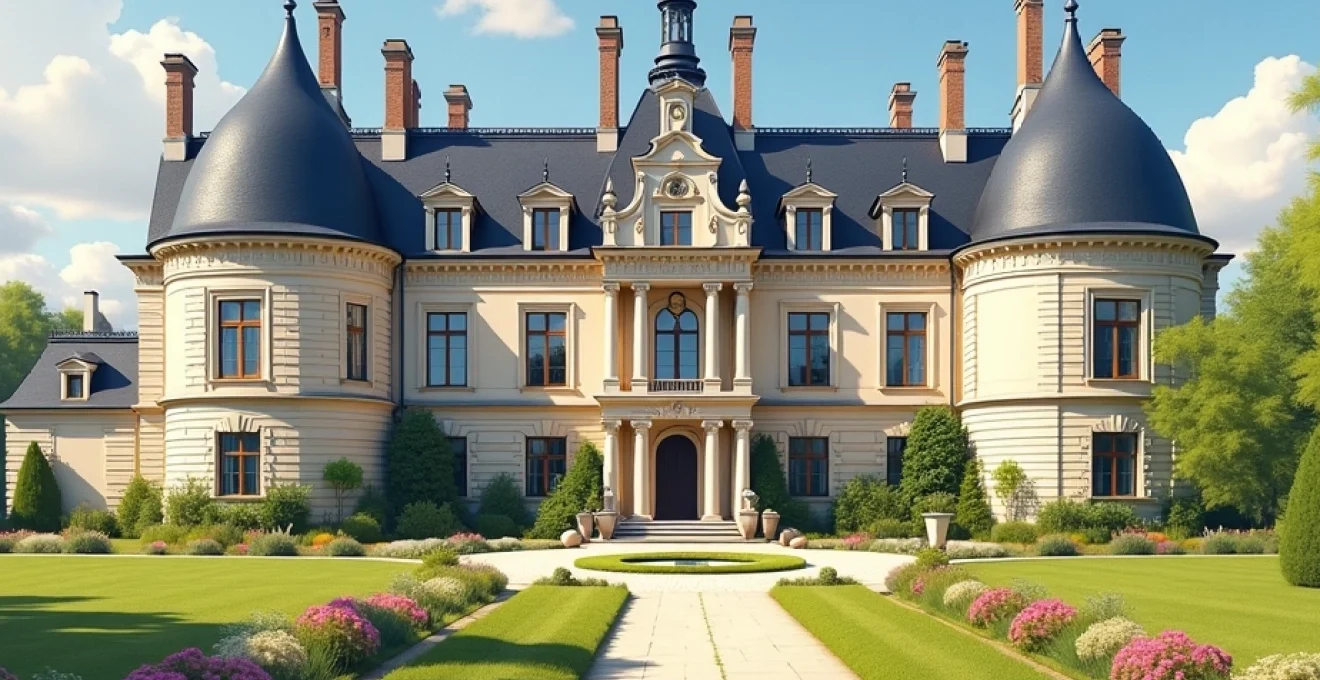
The Île-de-France region surrounding Paris offers an extraordinary collection of historical cities, each preserving centuries of French heritage within easy reach of the capital. From medieval fortresses that witnessed pivotal battles to Renaissance châteaux where French royalty shaped the nation’s destiny, these destinations provide intimate glimpses into France’s rich tapestry of culture and architecture. Unlike the bustling energy of Paris, these nearby cities maintain their provincial charm whilst offering world-class museums, UNESCO World Heritage sites, and architectural masterpieces that rival anything found in major European capitals.
The strategic positioning of these cities along ancient trade routes and river valleys created unique cultural environments where Roman foundations supported Gothic cathedrals, where medieval walls protected Renaissance palaces, and where royal hunting lodges evolved into imperial residences. Each destination tells distinct chapters of French history, from the coronation ceremonies of Reims Cathedral to the artistic innovations of Impressionist colonies along the Seine Valley.
Medieval heritage towns within 100 kilometres of paris
The medieval period left an indelible mark on the settlements surrounding Paris, creating fortified towns that served as crucial defensive positions and commercial centres throughout the Middle Ages. These settlements developed sophisticated urban planning systems, incorporating defensive walls, market squares, and ecclesiastical complexes that remain remarkably well-preserved today.
Provins UNESCO world heritage medieval architecture and champagne fair legacy
Provins stands as one of Europe’s finest examples of a medieval commercial town, earning UNESCO World Heritage status for its exceptional preservation of 12th and 13th-century urban planning. The town’s strategic location on trade routes connecting Flanders to the Mediterranean made it a crucial hub for the famous Champagne fairs, where merchants from across Europe gathered to exchange goods, ideas, and cultural influences.
The remarkably intact defensive walls stretch over 1,200 metres, punctuated by towers and gates that demonstrate medieval military engineering at its most sophisticated. The Tour César, a 12th-century keep rising 44 metres above the town, offers panoramic views across the Champagne countryside whilst housing exhibitions detailing the town’s commercial golden age. Medieval enthusiasts particularly appreciate the underground galleries beneath the town, originally used for storage during the fairs and later expanded during various historical periods.
Senlis Gallo-Roman foundations and gothic cathedral of Notre-Dame
Senlis represents a fascinating palimpsest of French history, where Gallo-Roman foundations support medieval structures, creating layers of architectural evolution spanning nearly two millennia. The town’s compact medieval centre, encircled by ancient walls, preserves an intimate atmosphere that larger cities have lost to modern development.
The Cathedral of Notre-Dame de Senlis, begun in 1153, showcases the transition from Romanesque to Gothic architecture through its innovative structural solutions and sculptural programmes. The cathedral’s influence extended far beyond its regional importance, with architectural elements later incorporated into the design of Notre-Dame de Paris. The adjacent royal château, where Hugh Capet was elected King of France in 987, emphasises Senlis’s pivotal role in establishing the Capetian dynasty that would rule France for centuries.
Meaux episcopal complex and bossuet museum collections
Meaux combines ecclesiastical grandeur with intellectual heritage, centred around its magnificent cathedral and the legacy of Jacques-Bénigne Bossuet, one of France’s greatest orators and theologians. The episcopal complex represents one of the most complete surviving examples of medieval ecclesiastical architecture in the Île-de-France region.
The Cathedral of Saint-Étienne, with its soaring 95-metre spire, took over 300 years to complete, resulting in a fascinating mixture of architectural styles from Gothic to Classical. The Bossuet Museum, housed in the former bishop’s palace, contains extensive collections relating to the famous bishop’s life and work, alongside medieval manuscripts and religious artifacts that illuminate the intellectual life of medieval France. Art historians particularly value the museum’s collection of medieval illuminated manuscripts and liturgical objects.
Crécy-en-ponthieu battlefield historical significance and edward III monument
Crécy-en-Ponthieu occupies a unique position in European military history as the site of the 1346 battle that demonstrated the effectiveness of English longbowmen against French heavy cavalry. This pivotal engagement during the Hundred Years’ War fundamentally changed medieval warfare tactics and marked a turning point in the long conflict between England and France.
The battlefield, now peaceful farmland, contains several monuments and interpretive sites that help visitors understand the tactical innovations that led to the French defeat. The Edward III Monument marks the traditional location where the English king observed the battle, whilst the nearby Crécy Museum provides detailed analysis of medieval warfare techniques and the battle’s long-term consequences for both nations. Military history enthusiasts appreciate the detailed terrain analysis and archaeological evidence that continues to reveal new insights about this famous engagement.
Renaissance château districts and royal residences
The Renaissance period transformed the landscape around Paris as French royalty and nobility commissioned magnificent châteaux that blended Italian architectural innovations with French building traditions. These palatial residences served multiple functions as hunting lodges, diplomatic centres, and showcases of royal power, each reflecting the personality and ambitions of their creators.
Fontainebleau palace françois I gallery and napoleon bonaparte imperial apartments
Fontainebleau stands as France’s most historically significant royal residence after Versailles, serving as a primary seat of French power for over 700 years. The palace complex evolved continuously from its medieval origins, reaching its artistic zenith during the reign of François I, who imported Italian artists to create the decorative schemes that would influence French artistic development for centuries.
The François I Gallery represents one of the finest examples of Renaissance decorative art in Europe, featuring elaborate frescoes and stucco work by masters from the School of Fontainebleau. Napoleon Bonaparte later chose Fontainebleau as his preferred residence, commissioning extensive renovations and creating the imperial apartments that now showcase Empire-style furnishings and décor. The palace’s 1,500 rooms contain one of the world’s finest collections of French decorative arts, spanning from the Renaissance through the 19th century.
Chantilly château condé museum and andré le nôtre garden design
Chantilly combines architectural magnificence with landscape artistry, creating one of France’s most harmonious château environments. The estate reached its golden age under the Grand Condé in the 17th century, who commissioned André Le Nôtre to design gardens that would rival those at Versailles whilst maintaining their own distinctive character.
The Condé Museum, housed within the château, contains the second-largest collection of ancient paintings in France after the Louvre, including masterpieces by Raphael, Botticelli, and Poussin. The illuminated manuscript collection, featuring the famous Très Riches Heures du Duc de Berry, represents one of medieval art’s greatest treasures. Garden enthusiasts particularly appreciate Le Nôtre’s innovative water features and the way the formal gardens integrate with the surrounding forest landscape.
Vaux-le-vicomte nicolas fouquet estate and louis le vau architecture
Vaux-le-Vicomte holds the distinction of inspiring the creation of Versailles whilst simultaneously causing its creator’s downfall. Nicolas Fouquet’s magnificent château, designed by the architect Louis Le Vau with gardens by André Le Nôtre and interiors by Charles Le Brun, represented the pinnacle of 17th-century French artistic achievement.
The château’s innovative design features, including the oval salon and the integration of architecture with landscape, established templates that would be refined and expanded at Versailles. The tragic irony of Fouquet’s fate—arrested by Louis XIV partly due to the splendour of his estate—adds poignancy to visits to this architectural masterpiece. Architecture students regularly study Vaux-le-Vicomte as a perfect example of Classical French château design, where mathematical proportions and artistic decoration achieve perfect harmony.
Rambouillet castle presidential residence and marie antoinette dairy farm
Rambouillet uniquely combines royal heritage with contemporary political significance, serving as an official residence of the French President whilst preserving fascinating traces of its aristocratic past. The château’s evolution from medieval fortress to Renaissance residence to modern presidential retreat illustrates the continuous adaptation of historical buildings to contemporary needs.
Marie Antoinette’s dairy farm, a charming example of 18th-century pastoral romanticism, reflects the queen’s fascination with idealized rural life. The elaborate shell-decorated grotto and the perfectly preserved farm buildings demonstrate the sophisticated architectural planning that went into creating these aristocratic fantasies of simple living. The surrounding forest of Rambouillet, covering over 20,000 hectares, remains a presidential hunting preserve whilst offering public access to extensive walking and cycling paths.
Compiègne imperial theatre and forest of compiègne hunting grounds
Compiègne achieved particular prominence during the Second Empire when Napoleon III transformed the medieval royal residence into a sophisticated imperial palace. The château became the centre of elaborate court ceremonies and hunting parties that attracted European nobility and demonstrated French cultural leadership during the mid-19th century.
The Imperial Theatre, created within the palace, represents one of the finest examples of Second Empire interior design, featuring elaborate gilding and innovative stage machinery. The Forest of Compiègne, covering 14,500 hectares, contains a complex network of hunting paths and clearings designed to facilitate the elaborate ceremonial hunts that were central to court life. Theatre historians particularly appreciate the rare survival of original Second Empire stage equipment and the detailed documentation of court entertainments held in these opulent surroundings.
Cathedral cities and gothic architecture masterpieces
The great cathedral cities surrounding Paris represent the flowering of Gothic architecture and the spiritual aspirations of medieval France. These magnificent structures pushed the boundaries of engineering and artistic expression whilst serving as focal points for urban development and pilgrimage routes that connected France to the broader European Christian community.
Chartres cathedral UNESCO labyrinth and medieval stained glass windows
Chartres Cathedral stands as perhaps the most complete and harmonious example of High Gothic architecture, largely built within a remarkably short period between 1194 and 1250. The cathedral’s exceptional preservation of original elements, particularly its stained glass windows, provides modern visitors with an authentic medieval spiritual and artistic experience.
The famous labyrinth, inlaid in the nave floor, represents one of the largest surviving medieval labyrinths and continues to attract pilgrims and spiritual seekers from around the world. The stained glass windows, totalling over 2,600 square metres, include the famous Blue Virgin window that demonstrates the heights of medieval artistic achievement. Art historians consider Chartres’s glass collection irreplaceable, as many windows retain their original 12th and 13th-century glazing, providing unparalleled insights into medieval artistic techniques and spiritual symbolism.
The Cathedral of Chartres represents the perfect synthesis of architectural innovation and spiritual aspiration that defined the Gothic movement.
Reims Notre-Dame cathedral coronation site and champagne house cellars
Reims holds unique significance in French history as the traditional coronation site of French kings, with thirty-three monarchs crowned in its magnificent cathedral over nearly a millennium. The cathedral’s role in establishing royal legitimacy made it a symbol of French national identity and Christian kingship throughout the medieval and early modern periods.
The cathedral’s façade sculpture programme, featuring over 2,300 figures, represents one of the most comprehensive examples of Gothic architectural sculpture in Europe. The famous Smiling Angel has become an icon of Gothic art, whilst the rose windows demonstrate the sophisticated mathematical principles underlying medieval architectural planning. The city’s modern identity as the capital of Champagne production creates fascinating contrasts between medieval spirituality and contemporary luxury, with ancient chalk cellars beneath the city housing millions of bottles of the world’s most celebrated sparkling wine.
Amiens cathedral largest gothic nave and jules verne museum
Amiens Cathedral astounds visitors with its unprecedented scale, featuring the largest Gothic nave in France and a façade that reaches 42 metres in height. The cathedral’s immense interior volume—200,000 cubic metres—creates a sense of space and light that represents Gothic architectural ambitions at their most daring.
The intricate stone carving throughout the cathedral, particularly the choir screen with its detailed scenes from the lives of saints, demonstrates the sophisticated workshops that developed around major cathedral construction projects. The cathedral’s preservation of original 13th-century elements alongside later additions creates a comprehensive survey of Gothic architectural evolution. Literary enthusiasts appreciate Amiens’s connection to Jules Verne, who spent his later years in the city and drew inspiration from its architectural grandeur for several of his scientific romances.
Beauvais cathedral highest gothic choir and astronomical clock mechanism
Beauvais Cathedral represents both the ultimate achievement and the limits of Gothic architectural ambition, featuring the highest Gothic choir in the world at 48.5 metres whilst remaining forever incomplete due to the technical challenges of its unprecedented scale. The cathedral’s partial construction creates a unique architectural experience, allowing visitors to appreciate Gothic engineering methods and the complex logistics of medieval building projects.
The cathedral’s astronomical clock, installed in the 19th century, contains over 90,000 parts and represents one of the most complex mechanical devices ever created. The clock’s elaborate programme of moving figures and astronomical calculations demonstrates the continuing medieval fascination with cosmic order and mechanical ingenuity. Engineering historians study Beauvais as a crucial example of medieval technical limitations and the innovative solutions developed by Gothic master builders.
Impressionist art colonies and seine valley cultural heritage
The Seine Valley’s luminous landscapes and changing light conditions attracted generations of artists, creating the world’s most influential art colony and fundamentally transforming European painting. The riverside towns of Giverny, Auvers-sur-Oise, and Barbizon became laboratories for artistic innovation where painters developed new techniques for capturing natural light and atmospheric effects that would revolutionize art history.
Claude Monet’s residence at Giverny represents the epicentre of Impressionist development, where the artist spent his final decades perfecting his revolutionary approach to colour and light. The carefully reconstructed gardens, including the famous water lily pond, allow visitors to experience the landscapes that inspired some of Western art’s most beloved masterpieces. The surrounding Seine Valley continues to attract contemporary artists, maintaining artistic traditions that began in the mid-19th century.
Auvers-sur-Oise preserves the atmosphere of artistic creativity through careful conservation of buildings and landscapes associated with Vincent van Gogh’s final period. The Church of Auvers, immortalized in van Gogh’s paintings, remains virtually unchanged, whilst the Auberge Ravoux provides insights into the modest living conditions that characterized the artist colonies. Art pilgrims particularly value the opportunity to walk through landscapes that appear virtually unchanged since they inspired some of history’s greatest paintings.
The village of Barbizon, associated with the pre-Impressionist Barbizon School, demonstrates the evolution of landscape painting from Romantic to Naturalist approaches. The Forest of Fontainebleau, which provided subject matter for Theodore Rousseau and other Barbizon painters, offers extensive hiking trails that pass through the actual locations depicted in famous 19th-century paintings. The Barbizon School’s emphasis on painting outdoors directly in nature established techniques and attitudes that would culminate in Impressionist innovations.
The Seine Valley’s artistic heritage represents one of humanity’s most successful marriages between natural beauty and creative expression.
Strategic transport connections and day trip accessibility from central paris
The excellent transport infrastructure radiating from Paris makes all these destinations easily accessible for day trips or extended explorations, with most locations reachable within 90 minutes by various combinations of high-speed rail, regional trains, and dedicated tourist services. The comprehensive network of regional express trains (RER) and intercity services provides frequent connections throughout the day, allowing flexible scheduling for visitors with different time constraints and interests.
High-speed rail connections to Reims take just 45 minutes from Paris Est, making Champagne region exploration remarkably convenient for both wine enthusiasts and history buffs. The regional rail network serves most château districts with dedicated services during peak tourist seasons, whilst several companies operate specialized bus services connecting multiple châteaux in single-day itineraries. Transport planners have designed integrated ticketing systems that combine rail transport with château admissions, simplifying logistics for independent travelers.
Car rental facilities at major Paris stations and airports provide additional flexibility for visitors wanting to explore multiple locations at their own pace, particularly useful for accessing more remote medieval sites or conducting detailed photographic surveys of architectural details. The well-maintained road network includes scenic routes specifically designed to highlight landscape beauty whilst connecting major cultural attractions efficiently.
| Destination |
|---|
Mobile applications developed by French tourism authorities provide real-time transport information, including service disruptions and alternative routing options. These digital tools integrate with international booking platforms, allowing visitors to purchase tickets and plan complex itineraries before arriving in France. Technology-savvy travelers appreciate the contactless payment options and digital ticket validation systems that streamline the journey experience.
Seasonal tourism patterns and regional gastronomy specialities
The seasonal rhythms of these historic cities create dramatically different experiences throughout the year, with each season offering unique advantages for cultural exploration and culinary discovery. Spring brings the awakening of château gardens and the beginning of outdoor festival seasons, whilst summer enables extended exploration of archaeological sites and forest walking trails. Autumn showcases harvest celebrations and wine-tasting opportunities, particularly in the Champagne region, where harvest season visitors can witness traditional grape-picking methods still employed by prestigious champagne houses.
Winter transforms cathedral cities into atmospheric settings for classical music concerts and medieval festivals, with reduced tourist crowds allowing more intimate encounters with architectural masterpieces. The Christmas markets in Reims and Amiens create magical atmospheres whilst providing opportunities to sample regional specialties like boudin blanc and pain d’épices. Many châteaux offer special winter programming, including candlelit evening tours that recreate historical ambiances impossible to achieve during busy summer months.
Regional gastronomy reflects the agricultural abundance and culinary traditions that developed around these historic centers over centuries. Champagne region specialties include ratafia de Champagne, a fortified wine traditionally served as an aperitif, and the famous pink biscuits of Reims that have been produced since 1756. The Brie region surrounding Meaux produces some of France’s finest soft cheeses, with Brie de Meaux earning AOC protection and recognition as one of Europe’s greatest cheese-making achievements.
Each season reveals different facets of these historic cities, from spring garden awakenings to winter’s intimate architectural encounters.
Seine Valley towns specialize in river fish preparations and apple-based products that reflect Norman culinary influences extending south from traditional cider-producing regions. Local markets in Senlis and Provins offer seasonal produce that changes dramatically throughout the year, from spring asparagus and early strawberries to autumn mushrooms and winter root vegetables. Culinary enthusiasts particularly appreciate the opportunity to taste traditional preparations that have remained unchanged for generations, often served in restaurants housed within historic buildings that add atmospheric depth to dining experiences.
The preservation of traditional cooking methods in these smaller cities provides authentic alternatives to the internationalized cuisine often found in major tourist centers. Family-run restaurants frequently occupy medieval buildings or château outbuildings, creating dining environments where historical atmosphere enhances culinary appreciation. Many establishments maintain relationships with local producers that date back generations, ensuring ingredient quality and seasonal authenticity that mass tourism destinations struggle to maintain.
Food festivals and seasonal celebrations throughout the region provide opportunities to experience traditional preparation methods and community dining customs that illuminate social aspects of French culinary culture. The Foire au Boudin in Mortagne-au-Perche celebrates blood sausage traditions, whilst harvest festivals in wine-producing areas offer insights into viticultural practices and community celebrations surrounding agricultural cycles. These events create immersive cultural experiences that combine historical education with sensory pleasure, deepening understanding of how landscape, climate, and tradition combine to create distinctive regional identities.