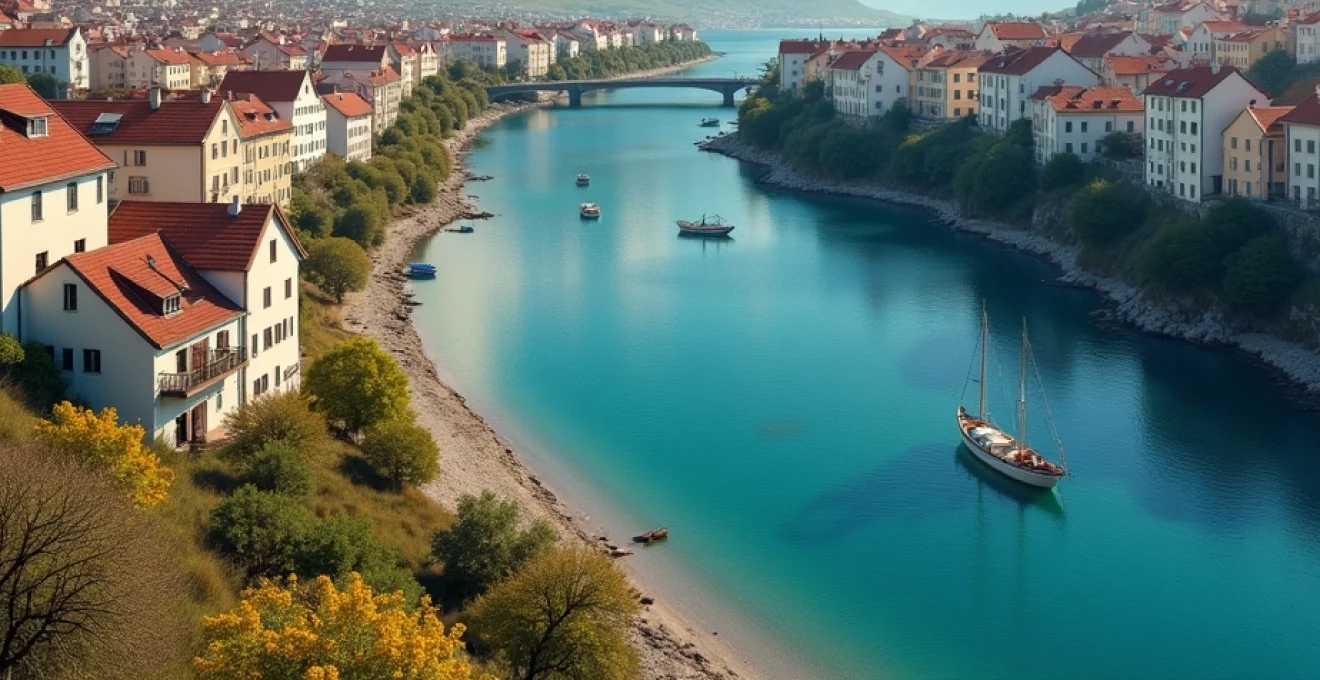
While millions of tourists flock annually to France, Italy, and Spain, Europe’s hidden gems remain largely undiscovered, offering authentic cultural experiences without overwhelming crowds. These lesser-known destinations provide unique opportunities to explore pristine landscapes, medieval architecture, and rich historical heritage at a fraction of the cost of mainstream tourist hotspots. From the Baltic republics emerging as digital nomad havens to the rugged beauty of Balkan nations, Europe’s least visited countries represent untapped potential for travellers seeking genuine connections with local communities and unspoiled natural environments.
The phenomenon of overtourism has transformed many European capitals into crowded, expensive destinations where authentic local culture struggles to survive beneath layers of commercialisation. In contrast, countries like Estonia, Albania, and Montenegro offer visitors the chance to experience Europe as it once was – where locals genuinely welcome foreign visitors, prices remain reasonable, and ancient traditions continue to thrive in their original context.
Hidden baltic republics: estonia, latvia, and lithuania’s untapped tourism potential
The three Baltic states have emerged from their Soviet past to become some of Europe’s most progressive nations, yet they remain remarkably undervisited despite their UNESCO World Heritage sites, cutting-edge digital infrastructure, and pristine natural environments. These countries collectively receive fewer than 7 million tourists annually – a fraction of what Barcelona alone attracts in a single year. Estonia leads the region’s digital transformation, having created the world’s first digital residency programme and maintaining one of Europe’s most advanced technological ecosystems.
Latvia and Lithuania offer equally compelling experiences, from Riga’s spectacular Art Nouveau architecture to Vilnius’s baroque masterpieces. The region’s compact geography allows visitors to explore all three countries efficiently, with excellent transport connections and affordable accommodation options. What makes the Baltics particularly attractive is their successful balance between preserving historical heritage and embracing modernity, creating destinations that appeal to both culture enthusiasts and technology professionals.
Tallinn’s medieval digital nomad infrastructure and UNESCO heritage preservation
Tallinn represents a fascinating paradox – a city where medieval towers house some of Europe’s most advanced startup companies, and where cobblestone streets lead to co-working spaces filled with international entrepreneurs. The Estonian capital has invested heavily in digital infrastructure while meticulously preserving its UNESCO-listed Old Town, creating an environment that attracts remote workers without compromising its historical authenticity.
The city’s medieval quarter remains largely intact, with 14th-century merchant houses now serving as boutique hotels and restaurants specialising in modern Estonian cuisine. Tallinn’s digital services extend beyond business applications – visitors can access free Wi-Fi throughout the city, purchase public transport tickets via mobile apps, and even participate in digital art installations that blend seamlessly with ancient architecture. This unique combination of old and new has attracted a growing community of digital nomads who appreciate the city’s high quality of life and relatively low cost of living.
Estonia’s e-Residency programme has created a global community of digital entrepreneurs who maintain strong connections to Tallinn, contributing to the city’s international atmosphere while supporting local businesses. The programme demonstrates how smaller European nations can leverage technology to attract global talent and investment without relying solely on traditional tourism models.
Riga’s art nouveau architecture district and gauja national park adventure tourism
Riga boasts the world’s largest concentration of Art Nouveau architecture, with over 700 buildings showcasing the ornate decorative style that flourished in the early 20th century. The city’s UNESCO-recognised historic centre encompasses not only medieval structures but also this remarkable collection of buildings featuring elaborate facades, decorative sculptures, and intricate metalwork that rivals anything found in Vienna or Barcelona.
Beyond the architectural treasures, Latvia offers exceptional outdoor recreation opportunities in Gauja National Park, located just an hour from Riga. The park encompasses ancient river valleys, medieval castles, and extensive hiking trails that remain largely unknown to international visitors. Adventure tourism infrastructure includes well-maintained cycling routes, canoeing opportunities along the Gauja River, and winter sports facilities that operate without the crowds typical of Alpine resorts.
The park’s Turaida Castle complex provides insights into medieval Baltic history, while the nearby Gutmanis Cave features ancient inscriptions dating back centuries. These attractions receive minimal international attention compared to similar sites in Western Europe, allowing visitors to explore at their own pace and interact meaningfully with local guides who possess deep knowledge of regional history and folklore.
Vilnius baroque old town and trakai island castle historical significance
Vilnius Old Town represents one of Europe’s largest surviving medieval quarters, encompassing over 1,400 buildings that span architectural styles from Gothic to Renaissance to Baroque. The Lithuanian capital’s historical significance extends beyond its buildings to its role as a centre of Jewish culture and learning before World War II, when it was known as the “Jerusalem of Lithuania.”
The city’s baroque churches, particularly the Cathedral Basilica and St. Anne’s Church, showcase architectural craftsmanship that rivals Rome’s famous religious buildings. Visitors can explore these monuments without entrance fees or lengthy queues, often finding themselves alone with centuries-old frescoes and architectural details. The artistic heritage extends to contemporary galleries and performance spaces that occupy restored historical buildings throughout the old town.
Trakai Island Castle, situated 30 kilometres from Vilnius, represents one of Europe’s most photogenic medieval fortifications, built on an island in Lake Galvė during the 14th century. The castle’s restoration demonstrates Lithuania’s commitment to preserving its cultural heritage while making it accessible to visitors. The surrounding region is home to the Karaim people, a small Turkic ethnic group whose unique culture and cuisine add another layer of interest to the area.
Cross-border baltic trail networks and sustainable tourism initiatives
The Baltic states have collaborated to develop extensive trail networks that cross national borders, creating opportunities for multi-country hiking and cycling experiences. The Baltic Coastal Hiking Route stretches over 1,200 kilometres from Tallinn to the Curonian Spit in Lithuania, passing through diverse ecosystems including coastal dunes, pine forests, and historic fishing villages.
These trail systems represent more than recreational infrastructure – they embody the region’s commitment to sustainable tourism development that benefits local communities while preserving natural environments. Rural guesthouses along the routes provide authentic accommodation experiences, often including home-cooked meals featuring traditional Baltic ingredients and recipes passed down through generations.
The Baltic region has successfully positioned itself as a sustainable tourism destination that prioritises environmental protection and cultural preservation over mass tourism revenue.
Regional tourism authorities have implemented certification programmes for accommodation providers and tour operators that meet specific environmental and cultural standards. These initiatives ensure that tourism development supports rather than undermines local communities and natural ecosystems, creating a model that other European regions are beginning to adopt.
Western balkan emerging destinations: albania, north macedonia, and montenegro
The Western Balkans region has undergone dramatic transformation since the conflicts of the 1990s, emerging as one of Europe’s most exciting tourism frontiers. Albania, North Macedonia, and Montenegro offer extraordinary value for travellers, combining Mediterranean coastlines, alpine landscapes, and rich cultural heritage at prices significantly lower than established European destinations. These countries have invested heavily in tourism infrastructure while maintaining their authentic character and traditional hospitality.
Political stability and EU accession processes have created favourable conditions for tourism development, with improved transportation links and accommodation standards. The region benefits from a strategic location between Central Europe and the Mediterranean, offering diverse climate zones and geographical features within relatively small territories. Adventure tourism opportunities abound, from mountain hiking and rock climbing to coastal sailing and river rafting.
What distinguishes the Western Balkans is the genuine warmth of local hospitality – visitors often comment on the enthusiasm with which locals share their culture, history, and traditions. This authentic engagement creates travel experiences that go far beyond typical tourist interactions, fostering meaningful cultural exchanges that benefit both visitors and host communities.
Albanian riviera’s pristine beaches from saranda to himara coast
Albania’s coastline along the Ionian Sea rivals the Greek islands for natural beauty while offering significantly lower prices and fewer crowds. The stretch from Saranda to Himara features crystal-clear waters, secluded coves, and traditional fishing villages that have retained their authentic character. Unlike many Mediterranean destinations, Albania’s coastal development has been relatively limited, preserving natural landscapes and traditional architecture.
The coastal road between these towns winds through olive groves and citrus orchards, offering spectacular views and access to hidden beaches accessible only on foot. Many of these locations remain unknown to international tourists, providing opportunities for solitude and natural beauty that have become increasingly rare in the Mediterranean region. Traditional tavernas serve fresh seafood and local specialties at prices that seem impossibly low by Western European standards.
Butrint National Park, located near Saranda, encompasses ancient Greek and Roman ruins in a setting of exceptional natural beauty. This UNESCO World Heritage site demonstrates Albania’s rich historical legacy while providing habitat for diverse flora and fauna. The park’s lagoon systems support important bird populations, making it attractive to both history enthusiasts and nature lovers.
Ohrid lake cultural landscape and skopje’s archaeological heritage sites
Lake Ohrid, shared between North Macedonia and Albania, represents one of Europe’s oldest and most biodiverse freshwater ecosystems, supporting endemic species found nowhere else on Earth. The town of Ohrid, perched on the lake’s eastern shore, contains numerous Byzantine churches and monasteries that showcase the region’s role as an important centre of Orthodox Christianity during the medieval period.
The lake’s cultural landscape encompasses not only historical monuments but also traditional fishing communities that continue to practice sustainable fishing methods developed over centuries. Visitors can participate in traditional fishing experiences, learn about local aquaculture practices, and sample endemic fish species prepared according to regional recipes. The lake’s exceptional water clarity and moderate temperatures make it ideal for swimming and water sports throughout much of the year.
Skopje, North Macedonia’s capital, presents a unique blend of Ottoman, Byzantine, and modernist architecture that reflects the country’s complex history. The city’s archaeological sites, including the Kale Fortress and Stone Bridge, provide insights into centuries of cultural development. Recent urban development projects have created striking contrasts between historical monuments and contemporary architecture, generating discussions about heritage preservation and urban planning that resonate throughout the region.
Durmitor national park’s via ferrata routes and kotor bay UNESCO protection
Montenegro’s Durmitor National Park encompasses some of Europe’s most dramatic mountain landscapes, featuring glacial lakes, deep canyons, and peaks exceeding 2,500 metres in elevation. The park’s via ferrata routes provide access to spectacular alpine scenery for climbers of various skill levels, with well-maintained equipment and safety systems that meet international standards.
The Tara River Canyon, Europe’s deepest canyon, offers white-water rafting experiences through pristine wilderness areas that remain largely undeveloped. These adventure tourism opportunities operate under strict environmental guidelines that limit group sizes and seasonal access to protect sensitive ecosystems. The park’s accommodation facilities range from mountain huts to eco-lodges that demonstrate sustainable construction techniques using local materials.
Kotor Bay, often called Europe’s southernmost fjord, represents a masterpiece of natural beauty enhanced by centuries of human settlement. The medieval town of Kotor, surrounded by massive fortification walls, showcases Venetian architectural influences while maintaining its authentic Montenegrin character. The bay’s UNESCO World Heritage status ensures protection of both cultural monuments and natural landscapes, creating a model for sustainable heritage tourism that other regions study and emulate.
Balkan peaks trail network and adventure tourism development strategies
The emerging Balkan Peaks Trail represents an ambitious project to create a continuous hiking route connecting the highest mountains of the Western Balkans, from Slovenia’s Julian Alps to Albania’s Accursed Mountains. This transnational trail system demonstrates regional cooperation in tourism development while showcasing the area’s exceptional biodiversity and landscape diversity.
Trail development emphasises sustainable practices that benefit local communities through employment opportunities, local sourcing of supplies and services, and preservation of traditional mountain culture. Mountain villages along the route have developed accommodation and guiding services that maintain authentic character while meeting modern safety and comfort standards. These initiatives provide economic alternatives to rural depopulation, helping to preserve traditional ways of life in mountain communities.
Adventure tourism in the Western Balkans represents a sustainable development model that preserves natural environments while creating economic opportunities for local communities.
Regional tourism authorities have established training programmes for local guides, ensuring that visitors receive high-quality services while supporting local employment. These programmes emphasise both technical skills and cultural knowledge, enabling guides to share insights about local history, ecology, and traditions that enhance the visitor experience beyond simple recreation.
Eastern european frontier states: moldova, belarus, and san marino microstate
Europe’s eastern frontier presents some of the continent’s most intriguing and least visited destinations, where complex political histories intersect with remarkable cultural heritage and natural beauty. Moldova holds the distinction of being Europe’s least visited country, receiving fewer than 130,000 tourists annually despite its renowned wine regions and authentic rural traditions. Belarus, often called Europe’s last dictatorship, nonetheless offers fascinating insights into Soviet-era architecture and pristine natural areas including Europe’s largest primeval forest.
San Marino, while geographically tiny, provides a unique perspective on medieval governance and architecture within its mountainous setting. These destinations share common characteristics: minimal tourist infrastructure, authentic local experiences, and significantly lower costs than mainstream European destinations. Political considerations affect travel to Belarus, while Moldova and San Marino present no particular challenges for international visitors beyond limited flight connections and accommodation options.
What unites these disparate locations is their ability to provide genuine cultural immersion experiences unavailable in more developed tourist destinations. Visitors often report profound connections with local communities and authentic insights into European cultures that have remained largely unchanged by mass tourism. The lack of tourist crowds allows for meaningful interactions with locals and unhurried exploration of historical sites and natural areas.
Atlantic island territories: faroe islands and azores archipelago ecotourism
The North Atlantic islands administered by Denmark and Portugal respectively represent pinnacles of sustainable tourism development, where dramatic landscapes and unique cultures coexist with rigorous environmental protection measures. The Faroe Islands have gained international recognition for their innovative approach to tourism management, including periodic closures to mass tourism and volunteer-based maintenance programmes that engage visitors in conservation efforts.
The Azores archipelago, located in the mid-Atlantic, offers volcanic landscapes, thermal springs, and marine ecosystems that support diverse wildlife populations. Both island groups have embraced overtourism prevention strategies that prioritise environmental sustainability and cultural preservation over maximum visitor numbers. These approaches serve as models for island destinations worldwide struggling to balance tourism revenue with environmental protection.
Transportation to both archipelagos requires careful planning, with limited flight connections and seasonal variations in accessibility. However, this isolation contributes to their appeal among travellers seeking authentic experiences in pristine natural environments. Local economies have diversified beyond fishing and agriculture to include sustainable tourism services that showcase traditional crafts, culinary traditions, and environmental knowledge.
Faroese grass roof architecture and mykines puffin colony conservation
Traditional Faroese architecture features distinctive grass-covered roofs that provide insulation against harsh North Atlantic weather while creating visually striking landscapes where buildings appear to emerge organically from the terrain. These turf houses represent centuries of adaptation to local climate conditions, using locally available materials in construction techniques passed down through generations.
The village of Mykines, accessible by helicopter or hiking trail depending on weather conditions, hosts one of the North Atlantic’s most significant puffin colonies. Conservation efforts on Mykines demonstrate how tourism can support rather than threaten wildlife populations through carefully managed visitor access, educational programmes, and research funding generated by tourism revenue.
Local guides on Mykines possess intimate knowledge of puffin behaviour and breeding patterns, enabling visitors to observe these charismatic seabirds without disturbing their natural activities. The island’s tourism management demonstrates how remote locations can provide exceptional wildlife experiences while maintaining ecological integrity through visitor limits and seasonal restrictions.
Azorean volcanic crater lakes and caldeira das sete cidades geotourism
São Miguel island’s Sete Cidades crater lake complex showcases volcanic geology in a setting of extraordinary beauty, where twin lakes of different colours occupy a massive caldera surrounded by hiking trails and viewpoints. The geological diversity of the Azores archipelago provides educational opportunities for visitors interested in volcanism, plate tectonics, and island ecosystem development.
Geotourism initiatives throughout the Azores emphasise the connection between geological processes and local culture, demonstrating how volcanic activity has shaped not only landscapes but also agricultural practices, architectural styles, and traditional crafts. Thermal springs and fumaroles provide renewable energy sources that support local communities while creating unique recreational opportunities for visitors.
The islands’ position in the mid-Atlantic makes them important stopping points for migratory species, creating seasonal wildlife viewing opportunities that complement the geological attractions. Whale watching, particularly for sperm whales and various dolphin species, operates under strict guidelines that prioritise marine mammal welfare while providing sustainable income for local operators.
Sustainable island tourism certification programs and overtourism prevention
Both the Fa
roe Islands and Azores have implemented comprehensive certification programmes that set global standards for sustainable island tourism development. The Faroese tourism authority operates a unique “closed for maintenance” programme where popular hiking destinations temporarily close to mass tourism, allowing volunteer visitors to participate in trail maintenance and environmental restoration projects. This innovative approach transforms tourists into active conservation participants while protecting fragile ecosystems from overuse.
The Azores’ EarthCheck certification programme monitors environmental impacts across accommodation providers, tour operators, and transportation services, ensuring that tourism development aligns with conservation objectives. The programme measures carbon footprints, waste management practices, water consumption, and community engagement levels, providing transparent accountability for sustainability claims. Certified operators must demonstrate continuous improvement in environmental performance while contributing to local conservation projects.
Both archipelagos have established visitor carrying capacity limits for sensitive sites, using reservation systems and seasonal restrictions to prevent overcrowding. These measures protect breeding seabird colonies, fragile volcanic landscapes, and traditional communities from tourism pressures while ensuring high-quality experiences for visitors. The success of these programmes has influenced policy development in other Atlantic island destinations seeking to balance tourism revenue with environmental protection.
Sustainable island tourism certification demonstrates how remote destinations can lead global best practices in responsible travel development.
Post-soviet caucasus republics: georgia and armenia’s cultural heritage corridors
The Caucasus region represents one of Europe’s most culturally diverse and historically significant frontiers, where ancient trade routes converge amid spectacular mountain landscapes. Georgia and Armenia, while technically transcontinental countries, maintain strong cultural and political ties to Europe through their EU association agreements and shared Christian heritage. These nations offer extraordinary value for culturally-minded travellers, combining UNESCO World Heritage sites, ancient winemaking traditions, and warm hospitality at costs significantly below Western European levels.
Georgia’s strategic location between Europe and Asia has created a unique cultural synthesis reflected in its architecture, cuisine, and traditions. The country’s tourism infrastructure has developed rapidly since 2003, with improved transportation networks and international standard accommodation options in major cities. Armenia, often called an “open-air museum,” preserves medieval monasteries and ancient settlements that provide insights into early Christian civilisation and traditional Caucasian culture.
Both countries have leveraged their cultural heritage to develop heritage tourism corridors that connect historical sites with contemporary cultural experiences. These initiatives support rural communities through employment opportunities while preserving traditional crafts, culinary traditions, and architectural techniques. The region’s wine culture, dating back over 8,000 years, creates additional opportunities for cultural tourism that celebrates local traditions while attracting international visitors.
Political considerations affect travel to certain border regions, particularly near South Ossetia and Nagorno-Karabakh, but the vast majority of tourist destinations remain safe and accessible. Both countries have simplified visa procedures for EU and North American visitors, recognising tourism’s importance for economic development and international relations. The genuine enthusiasm of local populations for sharing their culture creates authentic travel experiences that distinguish these destinations from more commercialised European locations.
Accessibility infrastructure development and Off-Season tourism optimisation strategies
Europe’s least visited countries face unique challenges in developing tourism infrastructure that balances accessibility with authenticity, often lacking the financial resources for large-scale development projects while seeking to preserve the very characteristics that make them attractive to discerning travellers. Strategic infrastructure investments focus on improving transportation connectivity, digital communication networks, and accommodation standards while maintaining cultural integrity and environmental sustainability.
Off-season tourism strategies have become crucial for these destinations, extending tourism revenues beyond traditional summer peaks while offering visitors more authentic experiences during periods when local life follows natural rhythms. Countries like Estonia and Latvia have developed winter tourism products that showcase Nordic traditions, while Mediterranean destinations promote spring and autumn travel when weather remains pleasant but crowds dissipate.
Digital infrastructure development has proven particularly important for smaller nations seeking to attract remote workers and digital nomads who can extend their stays beyond typical tourist visits. High-speed internet connectivity, co-working spaces, and digital nomad visas create competitive advantages that larger, more expensive destinations struggle to match. These initiatives demonstrate how technological advancement can support tourism development without requiring massive physical infrastructure investments.
Regional cooperation initiatives, such as the Baltic trail networks and Balkan hiking routes, enable smaller countries to pool resources for marketing and infrastructure development while creating multi-country experiences that appeal to international visitors. These collaborative approaches overcome the limitations of individual national tourism budgets while showcasing the cultural diversity that makes European travel compelling.
Accessibility improvements must also consider visitors with disabilities, elderly travellers, and families with young children, ensuring that lesser-known destinations can compete with established tourist centres for diverse market segments. Universal design principles applied to tourism infrastructure create inclusive experiences while often improving usability for all visitors, representing smart investments in long-term tourism competitiveness.
The challenge for Europe’s emerging destinations lies in scaling tourism development appropriately – growing visitor numbers and revenue while preserving the authenticity, affordability, and environmental quality that distinguish them from over-touristed alternatives. Success requires careful planning, community engagement, and continuous monitoring to ensure that tourism development enhances rather than undermines the qualities that make these destinations worth discovering in the first place.