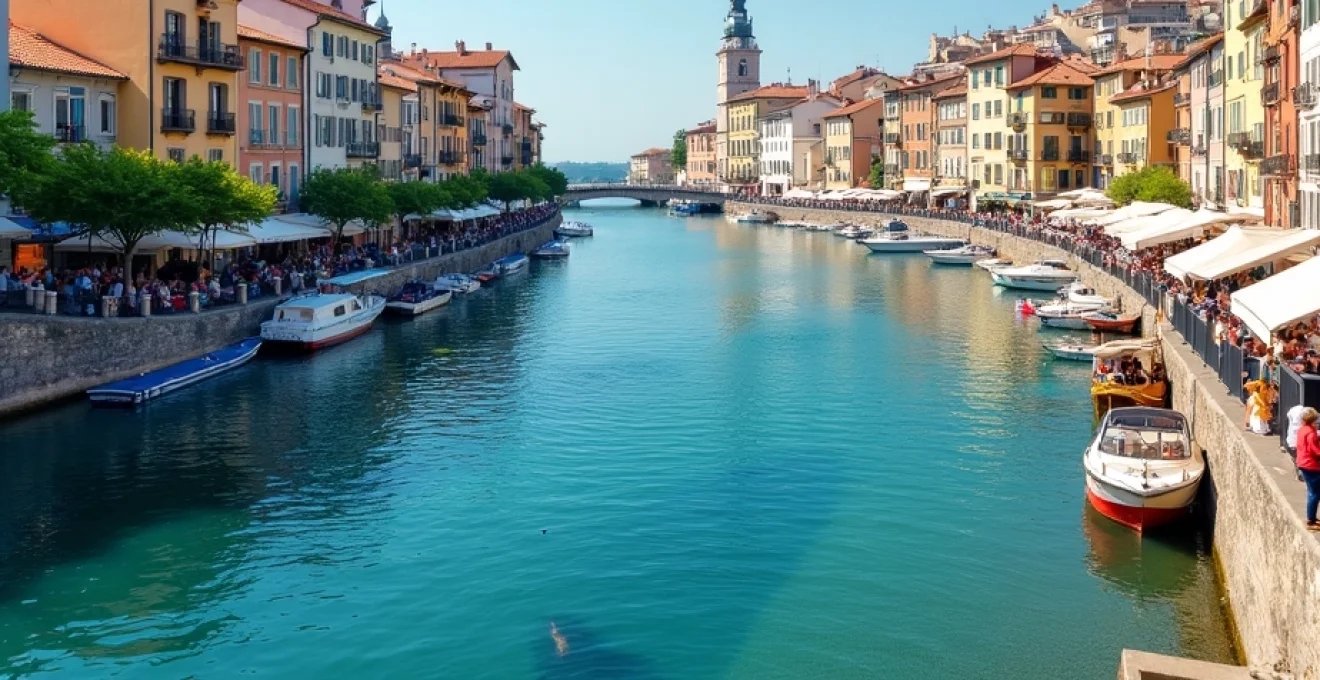
Europe remains the world’s most diverse and accessible travel destination, offering an extraordinary tapestry of cultures, histories, and landscapes within remarkably compact geographical boundaries. From the romantic canals of Venice to the rugged fjords of Norway, the continent provides unparalleled variety for travellers seeking comprehensive vacation experiences. Modern European package tours have evolved far beyond simple group excursions, now encompassing sophisticated multi-destination circuits, luxury river cruises, and specialised regional explorations that cater to every demographic and interest level.
The European tourism infrastructure has reached unprecedented levels of integration, making multi-country travel more seamless than ever before. High-speed rail networks, budget airline connections, and standardised accommodation systems have revolutionised how package tours operate across the continent. This sophisticated framework enables tour operators to craft increasingly ambitious itineraries that maximise destination exposure whilst maintaining comfort and convenience standards that modern travellers demand.
Premium All-Inclusive european tour operators and package specialists
The European tour package market has consolidated around several premium operators who have established themselves as industry leaders through decades of operational excellence and innovative itinerary design. These companies have invested heavily in destination relationships, transportation partnerships, and accommodation networks that enable them to deliver consistently superior experiences across multiple European regions.
Trafalgar tours’ guided european grand circle itineraries
Trafalgar Tours has positioned itself as the premium choice for comprehensive European grand circle tours, offering meticulously crafted itineraries that span multiple countries whilst maintaining exceptional standards of accommodation and local expertise. Their signature European packages typically encompass 12-16 destinations over 14-21 days, featuring carefully selected four-star accommodations and exclusive Be My Guest dining experiences with local families. The company’s strength lies in its extensive network of local guides and destination specialists who provide insider access to cultural experiences that independent travellers rarely discover.
The operational excellence of Trafalgar’s European programmes stems from their investment in luxury coach transportation and strategic accommodation partnerships. Their coaches feature panoramic windows, onboard Wi-Fi, and climate control systems specifically designed for European road conditions. The company maintains exclusive relationships with centrally located hotels in major European capitals, ensuring that guests can explore on foot rather than relying entirely on organised transfers.
Globus family of brands’ european river cruise combinations
Globus has revolutionised European touring by seamlessly integrating river cruise segments with traditional overland itineraries, creating hybrid packages that showcase Europe’s most scenic waterways alongside its iconic cities. Their Danube and Rhine cruise combinations represent the pinnacle of multi-modal European travel, featuring luxury river vessels with panoramic lounges and private balconies that transform transportation into destination experiences. These packages typically combine 7-10 days of river cruising with 4-6 days of overland touring, creating comprehensive European experiences that appeal particularly to affluent travellers seeking comfort and convenience.
The success of Globus river cruise combinations lies in their sophisticated logistics coordination between land and water operations. Their European itineraries feature precisely timed transfers between coach tours and river vessels, often utilising scenic railway connections that add experiential value to necessary transitions. The company’s partnerships with premium river cruise lines ensure consistent service standards across all package components, from luxury coach transportation to intimate river vessel accommodations.
Contiki tours’ 18-35 demographic european adventure packages
Contiki has dominated the young adult European travel market by creating packages that balance structured sightseeing with social experiences and flexible exploration opportunities. Their European itineraries emphasise overnight stays in vibrant city centres, accommodation in modern hostels or budget hotels with social spaces, and activities designed to foster connections between travellers. The company’s success stems from understanding that younger travellers prioritise authentic local experiences and peer interactions over luxury amenities.
The social engineering aspect of Contiki packages extends beyond accommodation choices to encompass carefully designed group activities and optional experiences. Their European tours feature cooking classes with local chefs, pub crawls in historic neighbourhoods, and adventure activities like glacier hiking or coastal kayaking that create shared memories and lasting friendships. This approach has established Contiki as the definitive choice for young professionals seeking comprehensive European experiences within peer groups.
Rick steves europe’s Self-Guided tour package methodology
Rick Steves Europe has carved out a unique position in the European package market by offering structured self-guided experiences that combine expert destination knowledge with independent travel flexibility. Their packages feature detailed daily itineraries, pre-booked accommodations, and comprehensive guidebooks, whilst allowing travellers to explore at their own pace without group constraints. This methodology appeals particularly to experienced travellers who value expert insights but prefer independent exploration.
The effectiveness of Rick Steves packages lies in their meticulous pre-trip planning resources and destination-specific expertise. Their European itineraries include detailed walking tour routes, restaurant recommendations, and cultural context that transforms casual sightseeing into meaningful educational experiences. The company’s partnerships with family-run European establishments ensure authentic local interactions whilst maintaining quality standards that independent travellers often struggle to identify on their own.
Multi-destination european circuit packages: eastern vs western routes
The geographical and cultural diversity of Europe has naturally led to the development of distinct circuit packages that capitalise on regional proximities and thematic coherence. These multi-destination routes have evolved to maximise traveller exposure to complementary destinations whilst minimising transportation inefficiencies and cultural overload. The most successful European circuits balance iconic must-see destinations with hidden gems that provide authentic local experiences.
Classic western europe triangle: Paris-Amsterdam-Rhine valley circuits
The Paris-Amsterdam-Rhine Valley circuit represents the quintessential European experience, combining three distinct cultural regions within a geographically logical framework that minimises travel time whilst maximising destination diversity. These packages typically span 10-14 days and feature high-speed rail connections between major cities, scenic river cruising along the Rhine, and carefully curated cultural experiences in each destination. The appeal of this circuit lies in its perfect balance of urban sophistication, natural beauty, and historical significance.
Successful Western Europe triangle packages leverage the excellent transportation infrastructure connecting these regions, particularly the high-speed rail networks that transform necessary transfers into scenic experiences. The TGV connections between Paris and major German cities, combined with the extensive Dutch rail network and Rhine river cruise options, enable package operators to create seamless itineraries that feel leisurely despite covering significant geographical distances. Premium operators enhance these circuits with exclusive experiences like private palace tours in Versailles, canal house visits in Amsterdam, and traditional brewery experiences in the Rhine Valley.
Eastern european discovery routes: Prague-Budapest-Vienna combinations
The Prague-Budapest-Vienna circuit has emerged as the premier Eastern European discovery package, showcasing three magnificent imperial capitals that represent centuries of Central European history and culture. These packages appeal particularly to culturally motivated travellers seeking authentic European experiences away from mass tourism corridors. The circuit typically features 12-16 days of exploration, with extended stays in each capital city complemented by scenic countryside excursions and traditional cultural experiences.
The success of Eastern European discovery routes stems from their exceptional value proposition and the remarkable preservation of historical city centres in Prague, Budapest, and Vienna. Package operators capitalise on the relatively lower costs in these destinations to include luxury accommodations and exclusive cultural experiences that would be prohibitively expensive in Western European equivalents. The circuit’s appeal is enhanced by the dramatic architectural contrasts between Gothic Prague, Art Nouveau Budapest, and Imperial Vienna, creating a comprehensive journey through European artistic and cultural evolution.
Mediterranean coastal packages: Barcelona-French Riviera-Italian lakes
Mediterranean coastal packages combine the glamour of the French Riviera with the cultural richness of Barcelona and the natural beauty of the Italian Lakes region, creating sophisticated itineraries that appeal to affluent travellers seeking luxury and relaxation. These packages typically feature 14-18 days of exploration, with accommodation in premium coastal resorts and historic city centre hotels. The circuit capitalises on excellent coastal railway connections and scenic driving routes that transform transportation into destination experiences.
The Mediterranean coastal circuit’s appeal lies in its seamless combination of cultural exploration, culinary experiences, and leisure activities against stunning coastal backdrops. Luxury operators enhance these packages with private yacht excursions, exclusive vineyard visits, and celebrity chef dining experiences that capitalise on the region’s reputation for sophisticated tourism. The circuit’s success also stems from its excellent climate reliability, making it an attractive choice for travellers seeking guaranteed pleasant weather conditions throughout their European vacation.
Nordic capitals circuit: Stockholm-Copenhagen-Oslo package dynamics
The Nordic capitals circuit has gained popularity among travellers seeking unique European experiences characterised by stunning natural beauty, cutting-edge design, and progressive cultural values. These packages typically feature 10-14 days of exploration across Sweden, Denmark, and Norway, with itineraries designed to showcase each country’s distinctive contributions to Nordic culture and lifestyle. The circuit appeals particularly to environmentally conscious travellers and those interested in contemporary Scandinavian design and cuisine.
Nordic capitals packages leverage the region’s excellent transportation infrastructure, particularly the frequent ferry connections between Stockholm and Oslo and the impressive Øresund Bridge linking Copenhagen and Stockholm. Package operators enhance these circuits with unique Nordic experiences like midnight sun excursions, traditional sauna ceremonies, and visits to innovative sustainable architecture projects. The circuit’s success also stems from the remarkably high English proficiency throughout Scandinavian countries, making cultural immersion accessible to English-speaking travellers without language barriers.
Seasonal package pricing strategies and booking optimisation
European package tour pricing operates on sophisticated demand-based models that reflect seasonal variations in weather, cultural events, and tourist volumes across different regions. Understanding these pricing dynamics is crucial for travellers seeking optimal value whilst ensuring access to desired experiences and accommodations. The most significant price variations typically occur between peak summer months and shoulder seasons, with differences often exceeding 40-50% for comparable package components.
Peak season pricing in Europe typically spans June through August, when Mediterranean destinations reach premium rates and Northern European locations experience their most favourable weather conditions. During these months, package prices reflect not only higher accommodation and transportation costs but also increased demand for limited capacity experiences like guided tours and restaurant reservations. Savvy travellers can achieve substantial savings by targeting shoulder seasons (April-May and September-October) when weather remains generally favourable whilst avoiding peak season premiums.
The Christmas markets season represents a unique pricing phenomenon in European package tourism, with November and December packages to Germany, Austria, and Eastern European destinations commanding premium rates despite shorter daylight hours and challenging weather conditions. These packages capitalise on the authentic seasonal atmosphere and limited-time cultural experiences that create exceptional demand despite operational challenges. Package operators often enhance Christmas market tours with exclusive access to traditional craftsmen and private tasting experiences that justify premium pricing.
Booking optimisation strategies for European packages typically recommend reservations 4-6 months in advance for peak season travel and 2-3 months for shoulder season departures. Early booking discounts can reach 15-25% of standard rates, whilst last-minute availability rarely offers comparable savings due to Europe’s sophisticated tourism infrastructure and consistent demand. However , travellers with flexible dates and destinations may find exceptional value in repositioning cruises and tour operator inventory management sales that occur periodically throughout the year.
Transportation infrastructure integration in european package tours
The sophistication of European transportation infrastructure has revolutionised package tour design, enabling operators to create seamless multi-modal itineraries that maximise destination exposure whilst maintaining traveller comfort and convenience. Modern European packages integrate high-speed rail networks, budget airline connections, luxury coach services, and scenic ferry routes into coherent transportation strategies that enhance rather than detract from the overall travel experience.
Eurail pass integration with accommodation booking platforms
Eurail pass integration represents one of the most significant developments in European package customisation, allowing travellers to combine flexible rail transportation with pre-booked accommodations and guided experiences. Modern booking platforms have developed sophisticated systems that coordinate train schedules with hotel check-in times and tour departure schedules, creating seamless itineraries that feel spontaneous whilst maintaining operational reliability. This integration appeals particularly to independent-minded travellers who value flexibility without sacrificing convenience.
The success of Eurail pass packages stems from the extensive high-speed rail networks that connect virtually every major European destination with frequent, reliable services. Package operators leverage these networks to create multi-country itineraries that would be logistically challenging and expensive using traditional transportation methods. The integration of seat reservations, accommodation transfers, and guided tour coordination through unified booking platforms has transformed rail-based European travel from a budget option into a premium experience that appeals to affluent, environmentally conscious travellers.
Low-cost carrier partnerships: ryanair and EasyJet package components
The integration of low-cost carrier flights into European packages has democratised multi-destination travel by making previously expensive regional connections affordable for budget-conscious travellers. Strategic partnerships with Ryanair and EasyJet enable package operators to include flights between distant European destinations whilst maintaining competitive overall pricing. These partnerships are particularly valuable for packages that include both Western and Eastern European destinations or that incorporate Mediterranean islands into overland itineraries.
However, successful low-cost carrier integration requires sophisticated logistics management to accommodate the operational constraints and scheduling limitations of budget airlines. Package operators must build flexibility into itineraries to accommodate potential delays and cancellations whilst maintaining overall programme coherence. The most successful budget airline packages focus on secondary airports and regional destinations that benefit from direct low-cost connections, creating unique itineraries that showcase lesser-known European gems alongside established tourist centres.
Luxury coach tour networks: eurolines premium service integration
Premium coach services have evolved dramatically to offer luxury alternatives to traditional bus touring, featuring amenities and comfort levels that rival premium airline experiences. Modern luxury coaches integrated into European packages feature panoramic windows, individual climate control, Wi-Fi connectivity, and onboard entertainment systems that transform transportation time into relaxation and scenic viewing opportunities. These services appeal particularly to mature travellers who value comfort and convenience over speed and flexibility.
The strategic advantage of luxury coach integration lies in the ability to reach destinations that are challenging or expensive to access via other transportation modes, particularly scenic rural areas and historic town centres where rail connections may be limited. Premium operators leverage luxury coach services to create unique routing that maximises scenic value whilst maintaining schedule reliability, often incorporating specially designed coach routes that showcase dramatic landscapes and cultural landmarks that air and rail passengers never experience.
Ferry route inclusions: Dover-Calais and mediterranean island connections
Ferry connections represent essential components of comprehensive European packages, particularly those that include British Isles exploration or Mediterranean island experiences. The Dover-Calais route remains fundamental to packages that combine London exploration with continental European touring, whilst Mediterranean ferry networks enable packages to include islands like Sicily, Sardinia, and the Greek archipelago without expensive flight segments. These ferry connections often become memorable components of the travel experience rather than mere transportation necessities.
Modern ferry services integrated into European packages feature cruise ship amenities including restaurants, shopping, and entertainment facilities that enhance the travel experience whilst providing practical transportation between destinations. Package operators increasingly leverage overnight ferry services to maximise destination time whilst providing unique accommodation experiences, particularly on routes like Stockholm to Helsinki or Genoa to Barcelona that cover significant distances through scenic waters.
Accommodation classification systems in european package deals
European accommodation classification has evolved into sophisticated systems that enable package operators to guarantee consistent quality standards across multiple countries and cultural contexts. The integration of international hotel chains, boutique properties, and traditional establishments into coherent accommodation strategies requires deep understanding of regional classification systems and guest expectation management. Modern European packages typically feature accommodation categories ranging from budget hostels and family-run pensions to luxury palace hotels and exclusive resorts.
The standardisation of European accommodation through rating systems like the EU Hotelstars Union has simplified package design whilst maintaining regional character and authenticity. Package operators leverage these systems to create consistent quality levels across multi-country itineraries, ensuring that guests experience comparable comfort and service standards regardless of destination. Premium packages often feature specially selected properties that exceed standard classification requirements, including historic hotels, luxury spa resorts, and exclusive boutique establishments that provide unique local character.
Accommodation integration strategies in European packages increasingly emphasise location and cultural authenticity over pure luxury amenities. The most successful packages feature centrally located properties that enable walking exploration of historic city centres, combined with strategically chosen rural accommodations that showcase regional architecture and landscape. This approach maximises the cultural immersion potential of accommodation choices whilst maintaining practical convenience for sightseeing and exploration activities.
The evolution of European accommodation standards has transformed package tourism from basic lodging arrangements into curated hospitality experiences that enhance destination appreciation and cultural understanding.
The integration of alternative accommodation types like apartment rentals, farm stays, and historic monastery conversions into European packages reflects growing traveller interest in authentic local experiences. These unique accommodation options often provide superior value compared to traditional hotels whilst offering distinctive cultural insights that enhance overall package appeal. Package operators increasingly leverage these alternatives to create differentiated itineraries that appeal to experience-seeking travellers willing to sacrifice some convenience for authenticity and local immersion.
Regional specialisation packages: alpine, mediterranean, and baltic focus areas
Regional specialisation has emerged as a dominant trend in European package design, with operators developing deep expertise in specific geographical areas to create authentically immersive experiences that showcase regional character and culture. These focused packages appeal to travellers seeking comprehensive exploration of particular European regions rather
than casual multi-destination tourism packages. Alpine specialisation packages have particularly gained traction among adventure travellers and luxury seekers alike, combining dramatic mountain landscapes with sophisticated resort amenities and authentic regional cultural experiences.
Alpine specialisation packages leverage the unique geography and cultural heritage of the European mountain regions, spanning the French, Swiss, Austrian, and Italian Alps. These programmes typically feature 10-14 days of exploration combining luxury mountain resorts, traditional alpine villages, and spectacular scenic transportation like cogwheel railways and cable car networks. The most successful alpine packages balance outdoor adventure activities with cultural immersion experiences, including traditional cheese-making demonstrations, mountain hut dining experiences, and visits to centuries-old monasteries nestled in dramatic mountain settings.
The operational complexity of alpine packages requires sophisticated logistics coordination to manage weather dependencies, seasonal accessibility, and specialised transportation requirements. Premium operators maintain relationships with mountain rescue services, weather monitoring systems, and alternative activity providers to ensure programme continuity despite challenging alpine conditions. These packages often command premium pricing due to limited accommodation capacity in mountain locations and the specialised expertise required for safe mountain tourism operations.
Mediterranean specialisation packages capitalise on the region’s exceptional climate reliability, rich culinary traditions, and remarkable historical density to create immersive cultural experiences that extend far beyond typical coastal tourism. These packages typically feature 12-18 days exploring multiple Mediterranean countries, with itineraries designed around regional themes like ancient civilisations, culinary traditions, or artistic heritage. The most sophisticated Mediterranean packages combine coastal relaxation with inland cultural exploration, utilising scenic driving routes and traditional transportation methods like vintage trains and historic sailing vessels.
The competitive advantage of Mediterranean specialisation lies in the region’s extraordinary diversity within relatively compact geographical boundaries, enabling packages to showcase dramatically different cultures, landscapes, and historical periods within single itineraries. Package operators leverage this diversity to create themed experiences that appeal to specific interests, such as archaeological tours combining Greek islands with Turkish coastal sites, or culinary journeys that explore regional wine and olive oil production across multiple Mediterranean countries. These specialised approaches enable premium pricing whilst delivering authentic cultural experiences that mass tourism packages cannot replicate.
Baltic specialisation represents an emerging market segment that showcases Northern European cultural heritage and natural beauty through carefully crafted itineraries spanning Estonia, Latvia, Lithuania, and Southern Finland. These packages appeal particularly to culturally motivated travellers seeking authentic European experiences away from traditional tourist corridors. Baltic packages typically feature 10-14 days of exploration, with extended stays in UNESCO-listed old towns, traditional manor house accommodations, and unique cultural experiences like amber workshops and traditional folk performances.
The success of Baltic specialisation packages stems from the region’s remarkable historical preservation and the authentic cultural experiences available due to relatively limited mass tourism development. Package operators capitalise on excellent value propositions compared to Western European equivalents, offering luxury accommodations and exclusive cultural experiences at prices that would be prohibitive in more established tourist destinations. The region’s compact geography enables comprehensive exploration within reasonable timeframes, whilst the extensive forest and coastal landscapes provide stunning natural backdrops for cultural touring.
Regional specialisation packages represent the evolution of European tourism from generic sightseeing to authentic cultural immersion, enabling travellers to develop deep appreciation for specific European regions rather than superficial exposure to multiple destinations.
The emerging trend toward regional specialisation reflects sophisticated traveller preferences for authentic experiences over destination accumulation, with package operators responding by developing deep expertise in specific European regions rather than attempting to cover the entire continent. This specialisation enables superior local relationships, exclusive access to cultural experiences, and the detailed regional knowledge necessary to create truly memorable European vacation experiences that justify premium pricing and generate exceptional customer satisfaction.