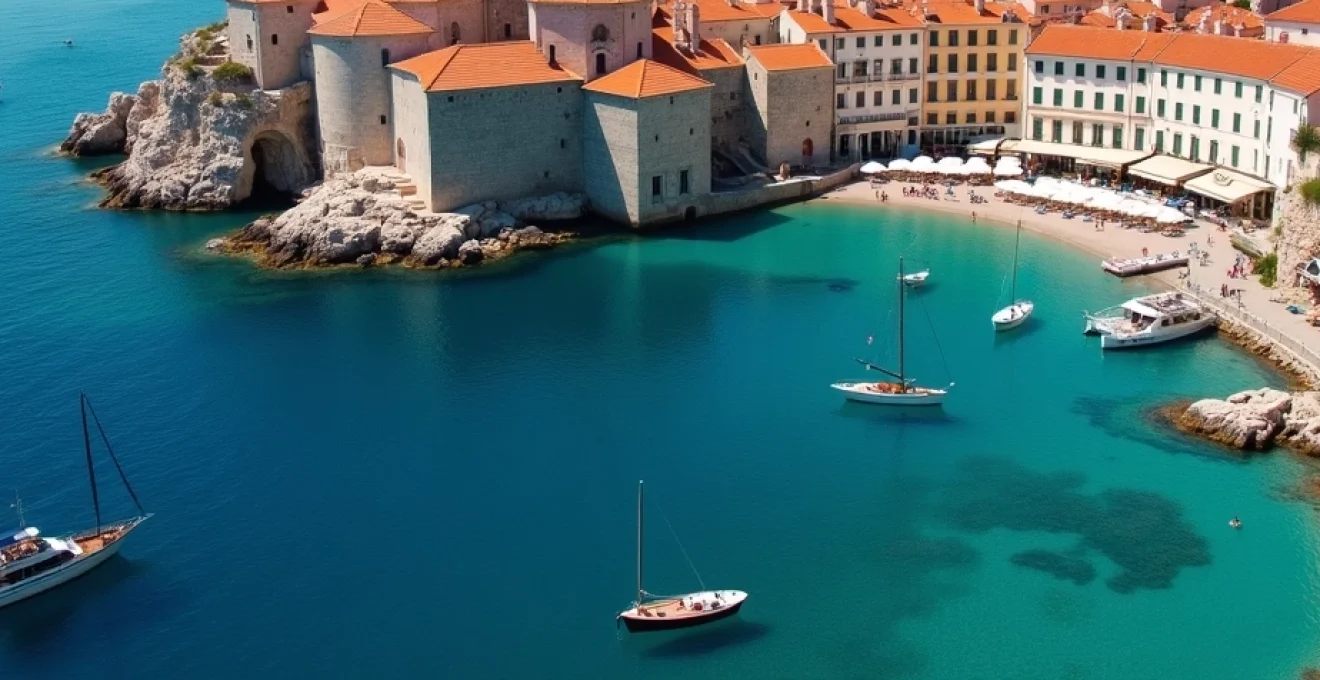
Croatia’s Mediterranean coastline, pristine national parks, and rich cultural heritage create a compelling destination that transforms dramatically with the seasons. Understanding the country’s complex weather patterns and tourist dynamics proves essential for maximising your Croatian experience, whether you’re seeking vibrant summer festivals, peaceful autumn vineyards, or budget-friendly winter explorations. The timing of your visit significantly impacts everything from accommodation costs to crowd levels, making strategic planning crucial for travellers seeking the perfect balance of weather, activities, and value.
The country’s diverse geography creates distinct microclimates that influence regional travel conditions throughout the year. From the sun-soaked Dalmatian islands to the snow-capped peaks of Gorski Kotar, each region offers unique seasonal advantages that cater to different travel preferences and budgets.
Croatia’s climate zones and seasonal weather patterns
Croatia’s geographical diversity creates three distinct climate zones, each offering unique seasonal characteristics that dramatically influence travel experiences. The interplay between Mediterranean, continental, and alpine weather systems produces remarkable regional variations across this relatively compact country, making timing considerations crucial for different destinations.
Mediterranean climate along the adriatic coast: split and dubrovnik
The Adriatic coastline enjoys a classic Mediterranean climate characterised by hot, dry summers and mild, wet winters. Split experiences average summer temperatures reaching 28°C in July and August, while winter temperatures rarely drop below 8°C. The sea temperature peaks at approximately 25°C during late summer, remaining swimmable through September when it averages 23°C. Rainfall patterns concentrate heavily between November and March, with December typically recording the highest precipitation levels.
Dubrovnik’s southern position creates slightly warmer conditions year-round, with summer highs frequently exceeding 30°C and winter lows averaging 9°C. The city receives over 260 sunny days annually, making it particularly attractive during shoulder seasons when temperatures remain pleasant but crowds diminish significantly. Coastal humidity levels can make summer temperatures feel more intense, particularly during July when humidity often exceeds 70%.
Continental climate influence in zagreb and slavonia region
Croatia’s interior experiences a continental climate with more pronounced seasonal variations and temperature extremes. Zagreb records winter lows averaging 1°C and summer highs reaching 26°C, creating a broader temperature range than coastal areas. The capital receives snow coverage for approximately 30 days annually, typically between December and February, while summers can be surprisingly humid with occasional thunderstorms.
The Slavonia region, including cities like Osijek and Vukovar, experiences the most extreme continental conditions with winter temperatures occasionally dropping below -10°C and summer highs surpassing 35°C. These areas receive more evenly distributed rainfall throughout the year, making spring and early autumn particularly appealing for visitors seeking comfortable weather without coastal crowds.
Alpine weather systems in gorski kotar and lika highlands
Croatia’s mountainous regions, including Gorski Kotar and parts of Lika, experience alpine conditions with significant elevation-related temperature variations. The Velebit mountain range creates distinct microclimates, with higher elevations receiving substantial snowfall from November through March. These areas offer excellent skiing opportunities but become challenging for hiking during winter months when some mountain passes close entirely.
Summer temperatures in highland regions remain pleasantly cool, rarely exceeding 25°C even during peak season, making these destinations ideal for hiking and outdoor activities when coastal areas become uncomfortably hot. The region’s heavy precipitation supports lush forests and creates spectacular waterfall displays, particularly visible during spring snowmelt periods between March and May.
Microclimate variations across istrian peninsula
Istria’s unique position creates fascinating microclimate variations within a relatively small area. The peninsula’s interior experiences slightly cooler temperatures than the coast, with hilltop towns like Motovun enjoying refreshing evening breezes even during summer. Coastal areas including Pula and Rovinj benefit from sea moderation, maintaining comfortable temperatures throughout most of the year.
The region’s famous truffle season coincides with autumn’s optimal travel conditions, when daytime temperatures average 20°C and rainfall enhances the earthy aromas that make truffle hunting particularly rewarding. Wine harvest activities peak during September and October, offering visitors authentic cultural experiences combined with ideal weather conditions for outdoor exploration.
Peak season analysis: june through august tourist dynamics
Croatia’s peak season creates a dramatic transformation in tourism infrastructure, pricing, and visitor experience quality. The summer months witness unprecedented demand that strains transportation networks, accommodation availability, and popular attraction capacity. Understanding these dynamics helps travellers make informed decisions about timing and destination choices during the busiest period.
Accommodation pricing fluctuations in hvar and korčula islands
Dalmatian islands experience the most extreme pricing variations in Croatia, with accommodation costs often increasing by 200-300% between low and peak seasons. Hvar Town’s luxury hotels command premium rates exceeding €400 per night during July and August, compared to €120-150 during shoulder months. Private accommodation on platforms like Airbnb shows similar patterns, with waterfront properties in prime locations becoming prohibitively expensive for budget-conscious travellers.
Korčula demonstrates slightly more moderate pricing due to its less developed tourism infrastructure, yet still experiences significant rate increases during peak weeks. The island’s limited accommodation options create supply constraints that drive prices upward, particularly for last-minute bookings. Advanced planning becomes essential, with many properties requiring minimum stay periods of seven nights during peak season.
Properties that cost €50 per night in November can command €200 or more during peak August weeks, making shoulder season travel financially advantageous for budget-conscious visitors.
Crowd density metrics at plitvice lakes national park
Plitvice Lakes National Park experiences visitor numbers exceeding 10,000 people daily during peak summer periods, compared to approximately 2,000 visitors during shoulder months. This dramatic increase creates significant challenges for photography, peaceful nature observation, and general enjoyment of the park’s natural beauty. The park implements timed entry systems during busy periods, but queues for popular viewpoints can still extend for considerable distances.
Early morning visits become crucial during peak season, with park gates opening at 7:00 AM to accommodate visitors seeking less crowded experiences. The most popular walking routes, particularly around the Lower Lakes, can become congested by mid-morning, making afternoon visits considerably less enjoyable. Weather conditions compound these challenges, as summer heat makes longer hiking routes more demanding.
Ferry schedule optimisation between split and brač island
Ferry services between Split and Brač Island operate at maximum capacity during peak season, with departures every 30 minutes compared to hourly services during off-season periods. Vehicle reservations become essential, particularly for weekend departures when demand from domestic tourists combines with international visitor traffic. The popular Supetar route experiences the highest demand, often requiring advance booking for car transport.
Foot passenger travel remains more flexible, though queues can extend significantly during popular departure times. The afternoon ferries returning to Split often experience the heaviest congestion as day-trippers return from Zlatni Rat beach and other island attractions. Alternative departure points like Makarska offer less crowded options but require longer travel times.
Restaurant reservation challenges in rovinj old town
Rovinj’s compact old town creates intense competition for restaurant tables during peak season, with popular establishments requiring reservations weeks in advance. The town’s limited dining infrastructure struggles to accommodate summer visitor volumes, leading to extended waiting times and reduced service quality at many venues. Waterfront restaurants with sunset views command the highest premiums and earliest booking requirements.
Local dining customs shift dramatically during peak season, with restaurants extending service hours but often compromising on food quality due to volume pressures. The traditional Croatian dining pace becomes accelerated to accommodate tourist turnover, potentially diminishing the authentic cultural experience many visitors seek. Alternative dining options in nearby villages offer better value and more genuine atmospheres.
Shoulder season opportunities: may and september travel windows
Shoulder season travel in Croatia offers the optimal balance between favorable weather conditions and reduced tourism pressure, creating ideal circumstances for authentic cultural experiences and outdoor activities. These transitional periods provide access to most tourism infrastructure while avoiding peak season’s crowds and inflated pricing structures.
Sea temperature viability for swimming at zlatni rat beach
May presents borderline swimming conditions with sea temperatures averaging 19-21°C, suitable for hardy swimmers but potentially challenging for extended beach sessions. The temperature steadily increases throughout the month, reaching comfortable levels by late May. September offers superior swimming conditions with sea temperatures maintaining summer warmth at 22-24°C, enhanced by reduced wind patterns that create calmer water conditions.
Zlatni Rat’s unique geography creates microclimate advantages during shoulder seasons, with the famous beach’s shape providing wind protection that maintains comfortable conditions even when other coastal areas experience cooler breezes. The reduced visitor numbers allow for better beach positioning and photography opportunities, while nearby restaurants and cafes operate with improved service standards compared to peak season chaos.
Water sports activities flourish during September when consistent thermal winds create ideal sailing and windsurfing conditions without summer’s extreme heat. The combination of warm water and manageable crowds makes this period particularly attractive for families with children who benefit from safer, less congested beach environments.
Wine harvest experiences in pelješac peninsula vineyards
September transforms the Pelješac Peninsula into Croatia’s premier wine tourism destination as harvest activities reach peak intensity. The peninsula’s renowned Plavac Mali vineyards offer authentic harvest experiences where visitors can participate in traditional grape picking and processing activities. Vineyard temperatures during harvest season average 25°C during the day and 15°C at night, creating optimal conditions for both grape maturation and visitor comfort.
Local wineries including those around Potomje and Dingač provide intimate tasting experiences that become overcrowded during peak summer months. The harvest period offers unique opportunities to observe traditional winemaking techniques while enjoying newly pressed grape juice and previous vintage tastings. Many establishments offer accommodation packages that combine vineyard activities with coastal relaxation.
Harvest season represents the perfect intersection of cultural authenticity and optimal travel conditions, offering visitors genuine insight into Croatian viticultural traditions without summer’s overwhelming tourist presence.
Reduced queue times at diocletian’s palace and dubrovnik city walls
September visitor numbers at Diocletian’s Palace drop to approximately 60% of peak season levels, dramatically improving the exploration experience of this UNESCO World Heritage site. Queue times for guided tours reduce from 45 minutes during peak season to 10-15 minutes, while photography opportunities increase significantly due to fewer crowds in iconic locations like the Peristyle.
Dubrovnik’s city walls experience even more dramatic improvements, with shoulder season visits allowing for leisurely exploration and unobstructed views of the Adriatic coastline. The famous wall walk, which can take up to three hours during peak season due to crowding, returns to its intended 90-minute duration. Early morning visits during September offer exceptional lighting conditions for photography without the crushing crowds that characterise summer months.
Restaurant and cafe terraces within the old town operate with normal capacity levels, allowing visitors to enjoy authentic dining experiences rather than rushed tourist-focused service. The combination of comfortable temperatures and manageable crowds creates ideal conditions for extended exploration of these historic sites.
Sailing conditions assessment in kornati national park
September provides optimal sailing conditions in Kornati National Park with consistent northwesterly winds averaging 10-15 knots and minimal precipitation. The reduced charter boat traffic creates more peaceful anchorage opportunities in popular bays like Telašćica and Vrulje, while marine life observation improves due to clearer water conditions and reduced disturbance.
Sailing infrastructure remains fully operational during September, with marinas maintaining complete services and provisions readily available. Charter costs decrease significantly compared to peak season rates, often by 30-40%, while boat availability improves substantially. The combination of favorable weather, reduced costs, and fewer crowds makes September the preferred month for serious sailing enthusiasts.
Navigation conditions benefit from excellent visibility and stable weather patterns, reducing the challenging conditions that can develop during summer’s intense heat and afternoon thunderstorms. The park’s 89 islands and islets provide endless exploration opportunities without the congestion that limits movement during peak tourism periods.
Winter tourism potential: december through february activities
Croatia’s winter season reveals an entirely different character, particularly attractive for visitors seeking cultural immersion, budget-friendly travel, and authentic local experiences. While coastal areas operate with reduced services, inland regions and major cities maintain vibrant atmospheres enhanced by seasonal festivities and dramatically lower prices across all tourism sectors.
Zagreb transforms into a winter wonderland during December and January, hosting one of Europe’s most celebrated Christmas markets. The capital’s numerous museums, galleries, and cultural institutions operate year-round schedules, providing excellent indoor activities during cooler weather. Thermal spa destinations like Varaždin and Krapina offer unique wellness experiences that complement winter’s contemplative atmosphere.
Dubrovnik and Split maintain sufficient tourism infrastructure to support winter visitors, with reduced but adequate restaurant and accommodation options remaining open. These coastal cities experience mild winter temperatures averaging 10-12°C, making exploration comfortable with appropriate clothing. The absence of summer crowds allows for intimate experiences at major attractions, while photography benefits from dramatic winter lighting conditions and occasional snow-dusted landscapes.
Skiing opportunities in Gorski Kotar and the Medvednica mountains near Zagreb provide affordable winter sports alternatives to expensive Alpine destinations. Croatia’s ski resorts offer budget-friendly packages with equipment rental, lessons, and accommodation often costing less than a single day at major European ski destinations. The intimate scale of these facilities creates family-friendly environments ideal for learning or casual skiing.
Winter travel in Croatia offers authentic cultural experiences and significant cost savings, with accommodation prices often 70% lower than peak season rates while maintaining access to the country’s rich historical and cultural attractions.
Regional timing strategies for specific croatian destinations
Different Croatian regions exhibit distinct seasonal characteristics that influence optimal visit timing based on specific interests and activities. Understanding these regional variations enables travellers to align their preferences with ideal conditions, whether pursuing outdoor adventures, cultural exploration, or relaxation-focused holidays.
Istria’s truffle season reaches peak intensity during October and November, making autumn the preferred period for culinary tourism in this northwestern peninsula. The region’s wine harvest extends through September and October, offering opportunities to participate in traditional grape processing while enjoying comfortable temperatures averaging 18-22°C. Istrian coastal towns maintain extended seasons compared to Dalmatian destinations, with restaurants and attractions operating through early November.
Plitvice Lakes National Park presents dramatically different experiences across seasons, with spring offering spectacular waterfall displays enhanced by snowmelt, while autumn provides stunning foliage colours that peak in mid-October. Winter visits reveal frozen waterfalls and snow-covered landscapes that create ethereal photographic opportunities, though limited trail access restricts exploration options. Summer remains the least recommended period due to overwhelming crowds that diminish the park’s natural tranquility.
The Kvarner Bay region, including Rijeka and Krk Island, benefits from unique microclimates that extend the comfortable travel season from April through October. This area’s position between the Mediterranean and continental climate zones creates moderate conditions that avoid the extreme heat of southern Dalmatia while maintaining warmer temperatures than northern regions. The bay’s sheltered waters provide excellent sailing conditions throughout the extended season.
Dalmatian islands each present unique seasonal considerations, with Hvar offering the longest season due to its southern position and abundant sunshine, while northern islands like Krk experience shorter optimal periods. Vis Island’s remote location creates dramatic seasonal variations in service availability, making summer visits essential for full tourism infrastructure access. Korčula’s dense forest cover provides cooling effects that make summer visits more comfortable than other Dalmatian destinations.
Festival calendar integration and cultural event planning
Croatia’s rich festival calendar significantly influences travel timing decisions, with major cultural events creating both opportunities for authentic experiences and challenges related to accommodation availability and pricing. Strategic planning around these events enhances cultural immersion while requiring advance preparation to secure suitable arrangements.
The Dubrovnik Summer Festival, running from July through August, represents Croatia’s premier cultural event but coincides with peak tourist season, creating intense competition for accommodation and restaurant reservations. The festival’s world-class performances in historic venues provide unparalleled experiences, yet visitors must balance cultural opportunities against elevated costs and crowded conditions. Alternative cultural events during shoulder seasons offer similar artistic quality with better accessibility and pricing.
Zagreb’s Advent celebration, recognised as Europe’s best Christmas market for three consecutive years, transforms the capital into a magical winter destination throughout December. This event demonstrates winter tourism’s potential in Croatia, with special events, seasonal cuisine, and festive atmospheres creating compelling reasons to visit during typically quiet months. The celebration’s popularity requires advance accommodation booking despite being off-season.
Split’s Wine Days celebration in September showcases local Dalmatian varietals during optimal harvest conditions, while the Motovun Film Festival in July attracts international cinema enthusiasts to Istria’s hilltop medieval town. These events demonstrate how festival timing aligns with regional strengths, creating authentic cultural experiences that enhance rather than overshadow natural attractions.
Music festivals across Croatia peak during summer months, with Ultra Europe in Split drawing electronic music fans worldwide, while the INmusic Festival in Zagreb offers alternative rock experiences on an island setting. However, smaller regional festivals during shoulder seasons often provide more intimate cultural encounters with reduced commercial overtones. Traditional folk festivals throughout rural areas maintain authentic customs and provide genuine insight into Croatian heritage without tourist-focused adaptations.
Religious celebrations like Easter Week in April create unique opportunities to witness centuries-old traditions, particularly in coastal towns where processions wind through medieval streets. These events require minimal advance planning yet offer profound cultural insights during periods when weather conditions support comfortable outdoor observation. The spontaneous nature of many local celebrations means flexibility in travel dates can reveal unexpected cultural treasures.
Strategic festival planning transforms routine sightseeing into immersive cultural experiences, yet requires balancing event attendance with practical considerations like accommodation availability and transportation logistics during popular celebration periods.
Seasonal food festivals celebrate Croatia’s agricultural cycles, with cherry festivals in June around Lovran, fig celebrations in September throughout Istria, and olive harvest events in November across Dalmatia. These celebrations provide authentic opportunities to experience regional cuisine at peak quality while engaging with local communities during their most celebratory moments. The intimate scale of rural festivals contrasts sharply with major urban events, offering different but equally valuable cultural perspectives.
Planning around multiple festivals requires careful consideration of regional transportation networks and accommodation booking strategies. Popular events can create temporary infrastructure strain in smaller communities, while major cities generally maintain adequate services during festival periods. The key lies in understanding each event’s impact on local resources and planning accordingly to ensure smooth travel experiences.