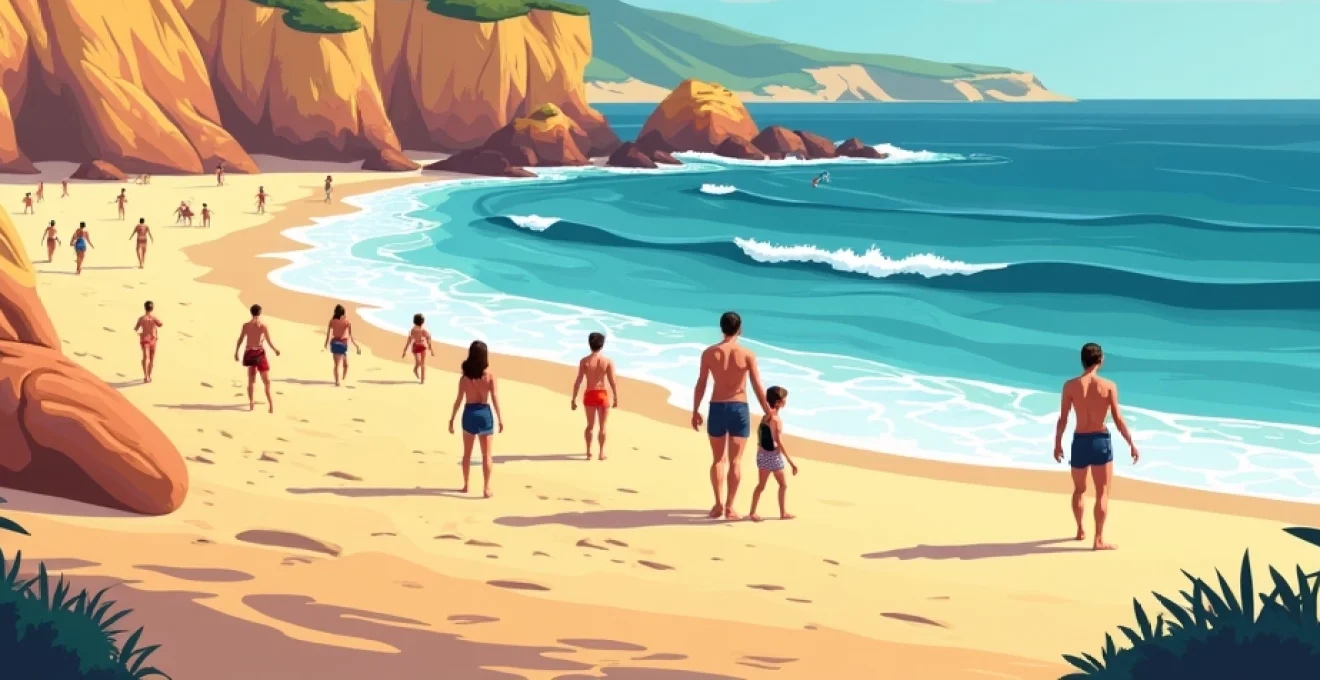
Portugal’s southernmost region beckons travellers with its dramatic coastline, where golden limestone cliffs plunge into azure waters and ancient Moorish castles overlook rolling countryside dotted with orange groves. The Algarve represents far more than just another European beach destination—it embodies a perfect fusion of natural splendour, rich cultural heritage, and modern tourism infrastructure that has captivated visitors for generations.
From the wild Atlantic shores of Sagres Peninsula to the tranquil lagoons of the Ria Formosa Natural Park, this diverse region offers experiences that range from adrenaline-fueled surfing adventures to peaceful explorations of historic market towns. Whether you seek the geological marvels of sea caves near Lagos, the authentic charm of traditional fishing villages, or the sophisticated amenities of world-class resorts, the Algarve delivers exceptional value across every category of travel experience.
Lagos coastal region: premium beach destinations and geological formations
The Lagos coastline represents the pinnacle of Algarve’s natural beauty, where millions of years of erosion have sculpted spectacular rock formations that rank among Europe’s most photographed seascapes. This western segment of the coast combines accessibility with dramatic scenery, offering visitors everything from sheltered family beaches to challenging hiking trails that wind along towering cliff tops.
Lagos town itself serves as an ideal base for coastal exploration, featuring a well-preserved historic centre, excellent dining establishments, and comprehensive tourism infrastructure. The marina provides access to boat tours, while the town’s strategic location ensures easy access to multiple premium beach destinations within a short driving distance.
Praia da dona ana: limestone cliff photography and snorkelling conditions
Praia da Dona Ana stands as Lagos’ crown jewel, consistently rated among Europe’s finest beaches due to its extraordinary geological formations and pristine swimming conditions. The beach nestles between towering limestone cliffs that create natural windbreaks, ensuring calmer waters and a more intimate atmosphere compared to larger, more exposed coastlines.
Photographers gravitate toward this location during golden hour, when the limestone cliffs glow with warm amber light that contrasts beautifully against the deep blue Atlantic. The rock formations create natural frames for compositions, while the crystal-clear waters provide excellent visibility for underwater photography enthusiasts.
Snorkelling conditions remain optimal throughout the summer months, with water visibility extending up to 15 metres on calm days. The protected cove environment supports diverse marine life, including colourful wrasse, sea bream, and occasional dolphin sightings in deeper waters beyond the swimming area.
Ponta da piedade: sea cave exploration and coastal hiking trails
Ponta da Piedade represents the Algarve’s most spectacular geological showcase, where centuries of wave action have carved an intricate network of sea caves, natural arches, and isolated beaches accessible only by boat or adventurous scrambling. This headland extends approximately two kilometres into the Atlantic, creating dramatic viewpoints from heights exceeding 20 metres above sea level.
The limestone formations at Ponta da Piedade showcase nature’s artistic prowess, with golden-hued cliffs pierced by turquoise grottos that seem almost artificial in their perfection.
Coastal hiking trails connect multiple viewpoints, though visitors should exercise caution due to unprotected cliff edges and occasional loose rock. The main trail requires approximately 90 minutes to complete, featuring descent opportunities to hidden coves via steep wooden staircases. Boat tours provide safer access to sea caves, with glass-bottom vessels offering underwater viewing opportunities.
Praia do camilo: beach access infrastructure and tide pool ecosystems
Praia do Camilo exemplifies thoughtful tourism development, featuring well-engineered wooden staircases that descend through natural rock formations to reach one of the region’s most photogenic beaches. The 200-step descent rewards visitors with access to twin coves separated by a natural rock arch that can be traversed at low tide.
Tide pool ecosystems flourish in the rocky areas adjacent to the sandy beach, supporting fascinating marine biodiversity including sea anemones, hermit crabs, and various mollusk species. These natural aquariums provide excellent educational opportunities for families, particularly during spring tides when the largest pools remain accessible.
Infrastructure includes changing facilities, beach umbrella rentals, and a clifftop restaurant with panoramic views. Parking availability remains limited during peak season, making early morning visits advisable for securing convenient access.
Meia praia: water sports facilities and marina proximity analysis
Meia Praia stretches for over four kilometres east of Lagos, representing the region’s longest continuous sandy beach and primary water sports destination. This expansive coastline accommodates multiple activity zones, from gentle family swimming areas near the marina to dedicated sectors for kitesurfing, windsurfing, and stand-up paddleboarding.
The beach’s strategic location adjacent to Lagos Marina ensures excellent infrastructure support, with equipment rental facilities, sailing schools, and charter boat operators concentrated within walking distance. Prevailing westerly winds create ideal conditions for wind-powered water sports, particularly during afternoon sessions when thermal effects strengthen coastal breezes.
Marina proximity facilitates seamless transitions between land and sea-based activities, with fishing charters, dolphin watching tours, and coastal cruises departing regularly throughout the tourist season. The sheltered eastern section provides calmer conditions suitable for novice water sports enthusiasts and families with young children.
Sagres peninsula: wild atlantic coast and maritime heritage sites
Sagres Peninsula represents Europe’s southwestern extremity, where Portuguese maritime exploration began during the 15th century under Prince Henry the Navigator’s guidance. This windswept promontory combines dramatic natural scenery with profound historical significance, offering visitors a unique blend of adventure tourism and cultural education that remains largely unspoiled by mass development.
The peninsula’s exposure to Atlantic swells creates some of Europe’s most consistent surfing conditions, while its clifftop fortifications provide insights into Portugal’s Age of Discovery. Wild landscapes characterise the interior, with traditional fishing villages, pristine beaches, and hiking trails that showcase the region’s untamed beauty.
Cabo de são vicente: lighthouse complex and Cliff-Top viewing platforms
Cabo de São Vicente lighthouse stands sentinel at continental Europe’s southwestern tip, where 75-metre cliffs face endless Atlantic horizons. This active navigation aid has guided mariners since 1851, though lighthouse structures have occupied this strategic location for centuries, earning the headland its historical designation as the “End of the World.”
Viewing platforms provide spectacular sunset vantage points, consistently ranked among Europe’s finest coastal viewpoints. The lighthouse complex includes a small museum documenting regional maritime history, while surrounding clifftop paths offer excellent hiking opportunities with minimal development intrusion.
Weather conditions can change rapidly due to the exposed Atlantic location, with strong winds common throughout the year. Visitors should dress appropriately and maintain safe distances from cliff edges, as protective barriers exist only at designated viewing areas.
Fortaleza de sagres: 15th century fortification architecture
Fortaleza de Sagres occupies a strategic promontory position that has hosted defensive installations since Roman times, though current structures date primarily from the 15th and 16th centuries. The fortress complex encompasses approximately 6 hectares within massive stone walls that withstand constant Atlantic exposure.
Archaeological evidence suggests this fortress served as headquarters for Prince Henry the Navigator’s maritime exploration programmes, making it one of history’s most significant navigation centres.
Interior features include the famous Rosa dos Ventos (wind rose), a mysterious stone circle measuring 43 metres in diameter whose original purpose remains debated among historians. The fortress chapel, Nossa Senhora da Graça, showcases Gothic architectural elements while providing shelter from coastal winds that frequently exceed 40 kilometres per hour.
Praia do beliche: surfing conditions and beach bar amenities
Praia do Beliche attracts intermediate to advanced surfers seeking powerful Atlantic swells in a relatively sheltered cove setting. This horseshoe-shaped beach benefits from natural wind protection while maintaining exposure to consistent wave patterns that average 1.5 to 3 metres during optimal conditions.
The beach’s unique geology creates both left and right-hand surf breaks, accommodating surfers of varying skill levels within a compact area. Rocky outcrops provide natural wave refraction that maintains surf quality across different tide conditions, though low tide reveals sharp rock hazards requiring local knowledge.
Clifftop amenities include a popular beach bar serving traditional Portuguese cuisine alongside international favourites, with outdoor seating areas offering panoramic ocean views. Access requires a moderately challenging descent via steep pathways, limiting crowds while maintaining authentic atmosphere.
Mareta beach: sheltered cove swimming and local seafood establishments
Mareta Beach provides Sagres’ most family-friendly swimming environment, protected by natural rock barriers that reduce wave intensity while maintaining excellent water quality. This crescent-shaped cove features fine golden sand and gradual depth transitions ideal for children and novice swimmers.
Local seafood establishments line the beach approach, specialising in fresh catches including sea bass, bream, and the region’s famous octopus preparations. Traditional marisqueiras (seafood restaurants) offer authentic dining experiences with prices significantly lower than resort area equivalents, making this location particularly appealing for extended stays.
Tavira eastern algarve: ria formosa natural park integration
Tavira exemplifies the Algarve’s most authentic Portuguese character, where traditional architecture and local customs persist despite significant tourism development throughout the broader region. This elegant town straddles the Gilão River, connected by a Roman bridge that has facilitated commerce and cultural exchange for nearly two millennia. The absence of high-rise development preserves Tavira’s historic skyline, characterised by traditional tile roofs and whitewashed walls that reflect Moorish architectural influences.
The town’s strategic position within the Ria Formosa Natural Park creates unique opportunities for combining cultural exploration with nature-based activities. Ferry services connect Tavira to Ilha de Tavira, an barrier island featuring pristine beaches that remain relatively uncrowded due to restricted vehicle access. This transportation arrangement preserves the island’s natural environment while providing sustainable tourism opportunities.
Tavira’s historic centre rewards pedestrian exploration, with narrow cobblestone streets leading to numerous churches, traditional craft workshops, and family-run restaurants serving regional specialities. The town market operates daily except Sundays, offering fresh produce, regional cheeses, and traditional handicrafts that reflect authentic Algarvian culture rather than tourist-oriented merchandise.
Ria Formosa integration extends beyond ferry access to include guided nature tours focusing on bird watching, traditional salt production methods, and marine ecosystem education. The park’s tidal channels and mudflats support over 200 bird species, including significant populations of flamingos during winter months and various migratory species throughout the year.
Accommodation options in Tavira favour small-scale establishments including converted historic buildings, family-run guesthouses, and boutique hotels that maintain local architectural character. This approach creates more intimate visitor experiences while supporting local economic development rather than international hotel chains.
Silves inland territory: moorish archaeological sites and cork oak landscapes
Silves served as the Moorish capital of Al-Gharb during the 8th through 13th centuries, when this inland settlement controlled extensive agricultural territories and trade routes connecting Atlantic ports with Mediterranean markets. Today’s visitors encounter remarkably well-preserved fortifications that rank among Portugal’s finest examples of Islamic military architecture, set within landscapes that showcase traditional Algarvian agriculture and distinctive geological formations.
The Castelo de Silves dominates the town skyline with massive red sandstone walls that enclose approximately 12,000 square metres of interior space. Archaeological excavations have revealed successive occupation layers spanning Roman, Visigothic, and Islamic periods, with museum displays presenting artifacts that illuminate daily life during each historical era. The castle’s strategic elevation provides panoramic views across orange groves, almond orchards, and cork oak forests that characterise the Silves countryside.
Cork oak landscapes surrounding Silves represent one of Portugal’s most economically significant ecosystems, supporting traditional industries that have operated for centuries using sustainable harvesting methods. Guided tours explain cork extraction processes, ecological relationships between oak forests and wildlife populations, and economic factors affecting traditional rural communities in modern Portugal.
Archaeological evidence suggests Silves once rivalled Lisbon in commercial importance, with sophisticated irrigation systems supporting agricultural production that supplied both local populations and export markets across medieval Europe.
The town centre features excellent examples of traditional Portuguese architecture, including the Cathedral of Silves, constructed on the foundations of the former Great Mosque following Christian reconquest in 1249. This architectural layering creates fascinating contrasts between Islamic spatial concepts and Gothic construction techniques, with guided tours available explaining historical transitions and their cultural significance.
Rural tourism initiatives around Silves include farmstay accommodations, traditional cooking workshops, and hiking trails that connect historical sites with natural areas. These programmes provide economic alternatives for farming families while preserving cultural traditions and environmental quality that mass tourism development might otherwise compromise.
Portimão resort infrastructure: marina developments and golf course accessibility
Portimão has evolved from a traditional fishing port into the Algarve’s second-largest resort destination, featuring comprehensive tourism infrastructure that includes a world-class marina, championship golf courses, and extensive beach resort developments. The city’s dual character combines working port facilities with sophisticated leisure amenities, creating diverse opportunities for both cultural immersion and luxury tourism experiences.
Marina de Portimão occupies a prime riverside location accommodating over 620 berths for vessels up to 50 metres in length, with full-service facilities including fuel, maintenance, and provisioning services. The marina complex incorporates upscale dining establishments, retail shopping, and entertainment venues that create a vibrant waterfront atmosphere throughout the evening hours. Regular ferry services connect the marina with Praia da Rocha and other coastal destinations, providing convenient car-free access to beach areas.
Golf course accessibility remains exceptional, with five championship courses within a 20-minute drive of central Portimão accommodating players of all skill levels. Penina Golf Resort, designed by Sir Henry Cotton, features three distinct courses including a championship layout that has hosted European Tour events. Golf tourism packages frequently include accommodation at resort hotels, equipment rental, and transportation services that streamline logistics for visiting golfers.
The Autódromo Internacional do Algarve, located just outside Portimão, hosts MotoGP and Formula 1 testing events while offering public driving experiences and motorsport tourism programmes. This facility represents significant infrastructure investment that attracts international visitors beyond traditional beach tourism markets, contributing to year-round economic activity and destination diversification.
Praia da Rocha, Portimão’s primary beach resort area, features extensive high-rise development with international hotel brands, comprehensive dining options, and active nightlife that appeals particularly to younger demographics. The three-kilometre beach accommodates numerous water sports operators, beach clubs, and recreational facilities while maintaining Blue Flag environmental certification.
Faro regional capital: international airport connectivity and historic quarter navigation
Faro serves as the Algarve’s administrative centre and primary transportation hub, with international airport facilities handling over 9 million passengers annually from destinations across Europe and North America. Despite its commercial importance, Faro maintains an authentic Portuguese character that contrasts sharply with purpose-built resort destinations, offering visitors genuine cultural experiences alongside convenient access to regional attractions.
The Cidade Velha (Old City) occupies an island position within the Ria Formosa lagoon system, accessible via an 18th-century archway that leads through ancient walls into a remarkably preserved historic quarter. Pedestrian-only streets wind between traditional buildings housing artisan workshops, family restaurants, and small museums that showcase regional history without commercial tourist packaging. The Cathedral Square provides a peaceful central gathering point surrounded by orange trees and traditional tile work.
Airport connectivity includes direct flights from over 100 international destinations, with efficient ground transportation linking Faro Airport to all major Algarve resorts within 30 to 90 minutes. Public transportation options include regular bus services, private transfer companies, and car rental facilities that provide flexibility for exploring multiple destinations during extended stays.
Ria Formosa boat tours departing from Faro marina offer access to barrier islands and traditional fishing communities that remain largely inaccessible by road. These excursions provide opportunities for wildlife observation, traditional seafood dining, and beach experiences that avoid crowded resort areas while supporting local fishing economies through sustainable tourism development.
University presence contributes to Faro’s cultural vitality, with student populations supporting diverse dining establishments, cultural events, and nightlife options that cater to Portuguese preferences rather than
international tourist expectations. The university campus provides cultural programming including concerts, exhibitions, and academic conferences that enrich the local cultural landscape beyond conventional tourism offerings.
Municipal markets operate throughout the week, with Saturday morning sessions featuring the largest selection of regional produce, artisan crafts, and traditional foods. These markets provide authentic shopping experiences where visitors interact with local vendors selling seasonal fruits, handmade textiles, and specialty items like medronho brandy and regional honey varieties.
Accommodation options range from historic pousadas within restored buildings to modern business hotels serving airport travelers and regional visitors. The city’s position as an administrative centre ensures year-round activity that maintains reasonable pricing compared to seasonal resort destinations, while providing access to authentic Portuguese dining and cultural experiences.
Faro’s strategic location provides the perfect balance between international accessibility and authentic Portuguese culture, offering visitors a genuine taste of the Algarve beyond its famous beaches and resort developments.
Transportation infrastructure extends beyond air travel to include regional train services connecting Faro to Lisbon and intermediate stops, plus comprehensive bus networks serving all coastal and inland destinations. Car hire facilities at the airport and city centre provide flexibility for independent exploration, while organized tour operators offer structured itineraries covering multiple regional highlights within day-trip formats.
Cultural attractions include the Municipal Museum housed in a former convent, archaeological sites revealing Roman and Moorish heritage layers, and traditional craft workshops where visitors can observe artisans creating pottery, textiles, and leather goods using techniques passed down through generations. These authentic experiences provide meaningful alternatives to beach-focused tourism while supporting traditional industries and cultural preservation efforts.
The surrounding Ria Formosa Natural Park creates unique opportunities for eco-tourism activities including guided bird watching tours, traditional salt harvesting demonstrations, and sustainable fishing experiences that educate visitors about marine conservation while providing income for local communities. Ferry connections to barrier islands offer pristine beach access without resort development pressures, maintaining natural environments while supporting responsible tourism practices.
Evening entertainment reflects local preferences with traditional fado performances in intimate venues, family-run restaurants serving regional specialties, and casual bars where university students and residents create vibrant social atmospheres. This authentic nightlife contrasts significantly with resort area offerings, providing visitors genuine insights into contemporary Portuguese culture and social customs.
Faro’s role as a regional capital ensures comprehensive services including medical facilities, banking, shopping centres, and government offices that support both residents and visitors. This infrastructure reliability makes the city particularly suitable for extended stays, senior travelers, and families requiring consistent service availability throughout their Algarve experience.