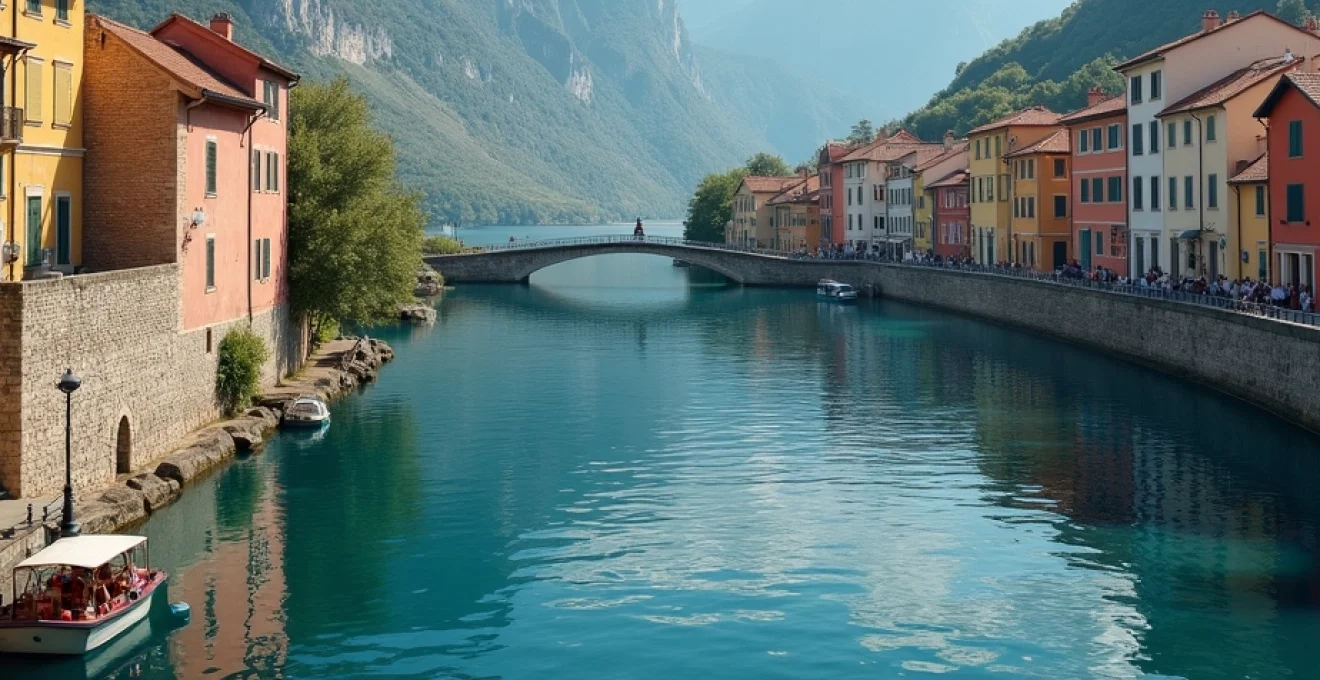
Europe stands as the world’s most diverse and culturally rich continent, offering travellers an extraordinary tapestry of experiences within relatively compact distances. From the sun-drenched Mediterranean coastlines to the dramatic Arctic landscapes of Scandinavia, Europe encompasses over 50 countries, each contributing unique traditions, architectural marvels, and natural wonders to this magnificent mosaic. The continent attracts more than 700 million international visitors annually, making it the world’s most popular tourist destination.
What makes European travel particularly compelling is the seamless blend of ancient history and modern innovation. Medieval castles overlook contemporary cities, while Roman ruins stand alongside cutting-edge museums. The continent’s efficient transportation networks, including high-speed rail connections and budget airlines, enable visitors to experience multiple countries and cultures within a single journey. Whether you’re drawn to world-class art collections, pristine natural landscapes, or vibrant culinary scenes, Europe delivers experiences that satisfy every type of traveller.
Western european cultural capitals and UNESCO world heritage destinations
Western Europe represents the epicentre of global culture, housing some of humanity’s most significant artistic achievements and architectural masterpieces. These destinations have shaped world history and continue to influence contemporary art, politics, and philosophy. The region’s cities serve as living museums where centuries of human creativity remain accessible to modern visitors.
Paris’s louvre triangle and montmartre historic district
Paris remains the undisputed cultural capital of Europe, welcoming over 38 million visitors annually. The Louvre Triangle, encompassing the world’s largest art museum, the Tuileries Garden, and Place de la Concorde, forms the heart of Parisian sophistication. The museum houses over 380,000 objects, including Leonardo da Vinci’s Mona Lisa and the ancient Greek statue Venus de Milo . This concentration of artistic treasures represents centuries of French royal collecting and revolutionary acquisition.
Montmartre’s cobblestone streets and bohemian atmosphere provide a stark contrast to the grandeur of central Paris. The district’s famous Sacré-Cœur Basilica offers panoramic views across the city, while the surrounding streets maintain their village-like character despite being located within one of the world’s largest metropolitan areas. Former haunts of artists like Picasso and Renoir, Montmartre continues to attract creative minds seeking inspiration in its atmospheric cafés and artistic studios.
Rome’s ancient forum complex and vatican city state
Rome operates as an open-air museum where every street corner reveals layers of history spanning over 2,500 years. The Roman Forum, once the bustling centre of the ancient world, now provides visitors with tangible connections to classical civilisation. Walking through the ruins of the Curia, Basilica of Maxentius, and Temple of Vesta, you can visualise the political and religious ceremonies that shaped Western civilisation.
Vatican City, though technically an independent state, forms an integral part of any Roman experience. The Vatican Museums contain one of the world’s greatest art collections, culminating in Michelangelo’s sublime Sistine Chapel ceiling. The sheer scale and artistic significance of these collections require multiple visits to appreciate fully. St. Peter’s Basilica represents the pinnacle of Renaissance architecture, while the Vatican Gardens offer peaceful respite from the intensity of the surrounding artistic treasures.
Barcelona’s gaudí architectural route and gothic quarter
Barcelona showcases the genius of Antoni Gaudí, whose distinctive architectural vision transformed the cityscape into a living work of art. The Sagrada Família, still under construction after more than 140 years, demonstrates Gaudí’s revolutionary approach to religious architecture. Park Güell combines natural landscapes with fantastical architectural elements, creating spaces that blur the boundaries between built and natural environments.
The Gothic Quarter preserves medieval Barcelona within its narrow alleys and hidden squares. The Cathedral of Barcelona anchors this historic neighbourhood, while the ancient Roman walls remind visitors of the city’s ancient origins. This juxtaposition of Gothic and Modernist architecture makes Barcelona unique among European capitals, offering visitors the opportunity to experience both medieval and avant-garde artistic traditions within walking distance.
Amsterdam’s golden age canal ring and museumplein cultural quarter
Amsterdam’s 17th-century canal ring represents one of Europe’s most successful examples of urban planning, earning UNESCO World Heritage status for its remarkable preservation. The concentric waterways, lined with narrow merchant houses, tell the story of Dutch commercial prosperity during the Golden Age. Canal cruises provide unique perspectives on this aquatic cityscape, while walking tours reveal the architectural details and historical significance of individual buildings.
Museumplein concentrates Amsterdam’s premier cultural institutions within a single district. The Rijksmuseum houses the world’s finest collection of Dutch Golden Age paintings, including works by Rembrandt and Vermeer. The Van Gogh Museum contains the largest collection of the artist’s works, while the Stedelijk Museum showcases contemporary art and design. This cultural density enables visitors to experience centuries of Dutch artistic achievement within a compact area.
Florence’s renaissance art corridor and ponte vecchio historic centre
Florence operates as the birthplace of the Renaissance, where artistic and intellectual innovations transformed European culture permanently. The Uffizi Gallery houses the world’s most important collection of Renaissance art, featuring masterpieces by Botticelli, Leonardo da Vinci, and Michelangelo. The gallery’s chronological arrangement allows visitors to trace the evolution of Renaissance artistic techniques and philosophical concepts.
Ponte Vecchio, spanning the Arno River, represents one of Europe’s most photographed bridges while maintaining its medieval commercial function. The bridge’s jewellery shops continue traditions established in the 16th century, when goldsmiths replaced butchers as the primary merchants. The nearby Palazzo Pitti and Boboli Gardens demonstrate Medici family influence on Florentine culture, providing insights into the patronage systems that supported Renaissance artistic achievements.
Mediterranean coastal regions and island archipelagos
The Mediterranean basin offers Europe’s most diverse coastal experiences, combining ancient civilisations with contemporary resort culture. These destinations provide optimal climate conditions, with over 300 days of sunshine annually in many locations. The region’s cuisine, influenced by millennia of cultural exchange, represents some of the world’s healthiest and most flavourful culinary traditions.
Greek cyclades islands: santorini’s caldera and mykonos beaches
Santorini’s dramatic volcanic landscape creates one of the Mediterranean’s most spectacular settings. The island’s crescent shape results from a massive volcanic eruption approximately 3,600 years ago, which may have inspired the Atlantis legend. The clifftop villages of Oia and Fira offer breathtaking sunset views across the caldera, while the island’s unique volcanic soil produces distinctive wines that reflect the terroir’s mineral characteristics.
Mykonos combines ancient Greek heritage with contemporary international sophistication. The island’s Chora (main town) maintains traditional Cycladic architecture with its whitewashed buildings and blue-domed churches, while world-class beaches and nightlife attract global celebrities and cultural influencers. Archaeological sites like Delos, accessible by boat from Mykonos, provide connections to ancient Greek religious practices and commercial networks that shaped Mediterranean civilisation.
French riviera’s côte d’azur from nice to cannes
The French Riviera epitomises Mediterranean glamour, stretching along 120 kilometres of coastline between the Alps and the sea. Nice’s Promenade des Anglais showcases Belle Époque architecture while providing access to pebble beaches and crystal-clear waters. The city’s Old Town preserves Provençal character within its colourful markets and narrow streets, offering authentic regional cuisine alongside international dining options.
Cannes transforms from a quiet fishing village to the world’s film capital during the annual Festival de Cannes each May. The Boulevard de la Croisette lined with luxury hotels and boutiques, demonstrates the region’s evolution from aristocratic retreat to international destination. Monaco’s Monte Carlo , though technically independent, extends the Riviera experience with its famous casino and yacht-filled harbour, representing the pinnacle of Mediterranean luxury tourism.
Croatian dalmatian coast and dubrovnik’s medieval fortifications
Croatia’s Dalmatian Coast offers over 1,000 islands scattered along pristine Adriatic waters, creating endless opportunities for island-hopping adventures. Dubrovnik, known as the “Pearl of the Adriatic,” maintains its medieval character within remarkably preserved city walls. Walking the fortifications provides panoramic views of red-tiled rooftops and azure seas, while the marble-paved Stradun offers glimpses into the city’s prosperous maritime history.
Split’s Diocletian’s Palace represents one of the world’s best-preserved Roman architectural complexes, where modern life continues within ancient walls. The palace’s underground chambers, temples, and residential quarters demonstrate Roman engineering sophistication while housing contemporary shops, restaurants, and apartments. Croatia’s national parks, including Plitvice Lakes and Krka, showcase the country’s natural beauty through cascading waterfalls and turquoise lakes surrounded by pristine forests.
Italian amalfi coast’s positano cliffside villages
The Amalfi Coast’s 50-kilometre stretch of dramatic coastline represents one of Europe’s most scenic drives, winding between sea and sky along precipitous cliffs. Positano’s pastel-coloured houses cascade down steep hillsides toward the Mediterranean, creating picture-perfect scenes that have inspired artists and writers for centuries. The town’s narrow streets and staircases reveal hidden gardens, ceramic workshops, and family-run restaurants serving regional specialities.
Amalfi’s maritime republic heritage remains visible in its cathedral’s Byzantine influences and historic paper mills that continue traditional manufacturing methods. The region’s terraced lemon groves produce the famous limoncello liqueur while demonstrating centuries-old agricultural techniques adapted to challenging topography. Ravello’s clifftop position provides spectacular views and hosts an annual music festival in gardens that inspired Richard Wagner’s Parsifal .
Northern european fjord systems and arctic circle experiences
Northern Europe’s dramatic landscapes offer some of the continent’s most pristine natural experiences, from Norway’s deep fjords to Iceland’s volcanic wonders. These destinations provide optimal conditions for observing natural phenomena like the Aurora Borealis and midnight sun, creating memories that last lifetimes. The region’s commitment to environmental protection ensures that these landscapes remain unspoiled for future generations.
Norwegian lofoten islands and geirangerfjord scenic routes
The Lofoten Islands rise dramatically from the Norwegian Sea, creating a 100-kilometre chain of peaks, beaches, and fishing villages within the Arctic Circle. Despite their northern latitude, the islands enjoy relatively mild temperatures due to the Gulf Stream’s warming influence. Traditional fishing settlements like Henningsvær and Nusfjord preserve centuries-old rorbuer (fishermen’s cabins) while offering modern amenities and world-class hiking opportunities.
Geirangerfjord, protected as a UNESCO World Heritage site, demonstrates the raw power of glacial erosion through its steep walls and cascading waterfalls. The Seven Sisters and Bridal Veil waterfalls plunge directly into the fjord from heights exceeding 250 metres, creating mist that often obscures the surrounding peaks. Scenic drives along the Trollstigen (Troll’s Path) provide hair-raising experiences as the road zigzags up mountainsides with gradients reaching 10 percent.
Iceland’s golden circle and reykjavik’s geothermal zones
Iceland’s Golden Circle encompasses three of the country’s most spectacular natural attractions within a 300-kilometre loop from Reykjavik. Geysir geothermal area features active hot springs and erupting geysers, while Gullfoss waterfall demonstrates the power of glacial meltwater as it plunges into a narrow canyon. Þingvellir National Park holds both geological and historical significance as the site of the world’s oldest parliament and the visible boundary between European and American tectonic plates.
Reykjavik harnesses geothermal energy for heating and hot water, making it one of the world’s most environmentally sustainable capitals. The Blue Lagoon’s milky blue waters, heated by nearby geothermal power plants, provide therapeutic experiences in a surreal landscape of lava fields. Iceland’s position on the Mid-Atlantic Ridge creates ongoing volcanic activity, evidenced by the 2021 eruption on the Reykjanes Peninsula that attracted thousands of visitors to witness active lava flows.
Iceland offers visitors the unique opportunity to witness Earth’s geological processes in action, from active volcanoes to retreating glaciers, making it an unparalleled destination for understanding our planet’s dynamic systems.
Finnish lapland’s aurora borealis viewing corridors
Finnish Lapland provides optimal conditions for Northern Lights viewing between September and March, with clear skies occurring on approximately 200 nights annually. Rovaniemi, the official hometown of Santa Claus, offers Aurora viewing opportunities combined with winter activities like reindeer sleigh rides and ice hotel accommodation. The city’s Arctic Circle Visitor Centre provides scientific explanations for the Aurora phenomenon while local Sami guides share traditional knowledge about these celestial displays.
Wilderness areas like Urho Kekkonen National Park offer pristine environments for Aurora photography and winter sports. Cross-country skiing and snowshoeing provide active ways to explore the Arctic landscape while waiting for Aurora activity. Traditional glass igloos and heated outdoor pods allow comfortable Aurora viewing even when temperatures drop below -30°C, ensuring that weather conditions don’t interfere with this bucket-list experience.
Swedish archipelago and stockholm’s gamla stan historic quarter
Stockholm’s archipelago contains approximately 50,000 islands, rocks, and skerries stretching 80 kilometres into the Baltic Sea. Ferry services connect inhabited islands like Vaxholm and Sandhamn, each offering unique experiences from fortress visits to sailing regattas. Summer months provide nearly 20 hours of daylight, enabling extended island exploration and outdoor dining experiences that stretch late into the evening.
Gamla Stan (Old Town) represents one of Europe’s best-preserved medieval city centres, with cobblestone streets and buildings dating from the 13th century. The Royal Palace contains over 600 rooms and houses several museums showcasing Swedish royal history and traditions. Nobel Prize ceremonies take place annually in Stockholm City Hall, where the Nobel Prize banquet demonstrates Swedish cultural sophistication and international significance.
Central european alpine regions and historic trade routes
Central Europe’s Alpine regions combine spectacular mountain scenery with rich cultural heritage, where ancient trade routes connected northern and southern European civilisations. These destinations offer year-round activities, from world-class skiing in winter to hiking and mountaineering during summer months. The region’s spa towns and thermal springs have attracted visitors seeking wellness experiences for over 2,000 years, continuing traditions established by Roman legions.
Austria’s Hallstatt represents one of Europe’s most photographed villages, where salt mining created prosperity for over 4,000 years. The village’s lakeside setting beneath towering Alps creates picture-perfect scenes that attract over one million visitors annually despite having fewer than 800 residents. Salzburg’s baroque architecture and musical heritage, including Mozart’s birthplace and annual festival, demonstrate how Alpine trade routes facilitated cultural exchange throughout European history.
Switzerland’s Jungfraujoch, accessible via cogwheel railway, provides access to Europe’s highest train station at 3,454 metres elevation. The journey through Eiger’s north face offers dramatic mountain views while demonstrating Swiss engineering excellence. Alpine passes like the Gotthard and Simplon connected northern and southern Europe for centuries, facilitating trade in goods, ideas, and cultural practices that shaped European development.
The Dolomites in northern Italy showcase unique limestone formations that glow pink and orange during sunset, creating the famous alpenglow effect. These UNESCO World Heritage mountains offer some of Europe’s best via ferrata routes, enabling hikers to access dramatic peaks using fixed cables and ladders. Traditional mountain huts provide authentic Alpine experiences with regional cuisine and spectacular panoramic views.
Central Europe’s Alpine regions demonstrate how geography shapes culture, with mountain passes serving as conduits for trade, ideas, and artistic influences that created the continent’s diverse cultural landscape.
Eastern european medieval fortresses and thermal spa destinations
Eastern Europe preserves medieval heritage through remarkably intact fortress cities and castle complexes that survived centuries of political upheaval. These destinations offer exceptional value compared to Western European equivalents while providing equally rich historical experiences. The region’s thermal springs, concentrated along geological fault lines, created spa cultures that blend medical treatments with relaxation traditions spanning millennia.
Prague’s historic centre, protected as a UNESCO World Heritage site, maintains Gothic, Renaissance, and Baroque architecture within its
medieval walls and historic squares. The Charles Bridge, adorned with baroque statues, connects the castle district with the old town while providing stunning views of the Vltava River. Prague Castle complex contains Gothic cathedrals, royal palaces, and gardens that chronicle over 1,000 years of Czech history.
Budapest’s thermal baths utilize natural hot springs that have attracted visitors since Roman times. The Széchenyi Thermal Baths, with their outdoor pools and neo-baroque architecture, provide year-round bathing opportunities even during harsh winters. The city’s position along the Danube River creates dramatic urban landscapes, with the Hungarian Parliament Building’s Gothic Revival spires reflecting in the water during evening illuminations.
Krakow’s medieval market square remains the largest in Europe, surrounded by cloth halls and St. Mary’s Basilica with its famous trumpet call that sounds every hour. The nearby Wieliczka Salt Mine, operating continuously for over 700 years, contains underground chapels carved entirely from salt by generations of miners. These destinations demonstrate how Eastern European cities preserved their authentic character while adapting to contemporary tourism demands.
Romania’s Bran Castle, associated with the Dracula legend, showcases medieval fortification techniques while the surrounding Carpathian Mountains offer pristine hiking opportunities. Brasov’s Saxon heritage remains visible in its Germanic architecture and cultural traditions, reflecting centuries of cultural diversity within Eastern European kingdoms. These fortress cities provide immersive historical experiences at costs significantly lower than comparable Western European destinations.
Eastern Europe offers travelers the opportunity to experience authentic medieval atmospheres within living cities, where historical preservation meets contemporary culture without the commercialization common in more established tourist destinations.
Seasonal tourism patterns and regional climate considerations
European tourism follows distinct seasonal patterns that significantly impact both pricing and experience quality across different regions. Understanding these patterns enables travelers to optimize their visits for weather conditions, crowd levels, and seasonal activities. The continent’s diverse climate zones, from Mediterranean warmth to Arctic conditions, create varied optimal travel windows that require careful planning to maximize enjoyment.
Summer months (June through August) represent peak tourism season across most European destinations, with temperatures reaching optimal levels for outdoor activities and extended daylight hours. However, this popularity creates overcrowding at major attractions, substantially higher accommodation costs, and strained infrastructure in popular destinations like Venice, Barcelona, and Santorini. Mediterranean coastal regions experience their hottest temperatures during this period, with some areas reaching uncomfortable levels exceeding 40°C.
Spring (March through May) and autumn (September through November) offer ideal compromise conditions for most European destinations. These shoulder seasons provide mild temperatures, fewer crowds, and significantly reduced costs while maintaining access to most attractions and activities. Tuscany’s rolling hills showcase vibrant colors during autumn harvest seasons, while spring brings blooming tulip fields across the Netherlands and cherry blossoms to Germany’s Rhine Valley.
Winter tourism concentrates primarily on Alpine skiing destinations and Northern European cities that embrace seasonal festivities. Germany’s Christmas markets, operating from late November through December, attract millions of visitors seeking authentic holiday atmospheres. Nordic countries offer optimal conditions for Northern Lights viewing between October and March, while their summer months provide midnight sun experiences and accessible hiking in regions that remain snow-covered during winter.
Climate change increasingly affects traditional tourism patterns, with rising temperatures altering optimal travel windows and creating new challenges for destination management. Glacier retreat in Alpine regions reduces skiing seasons while creating opportunities for extended hiking periods at higher elevations. Mediterranean destinations experience longer, hotter summers that may shift peak seasons toward traditionally cooler months, requiring travelers to adapt their planning strategies accordingly.