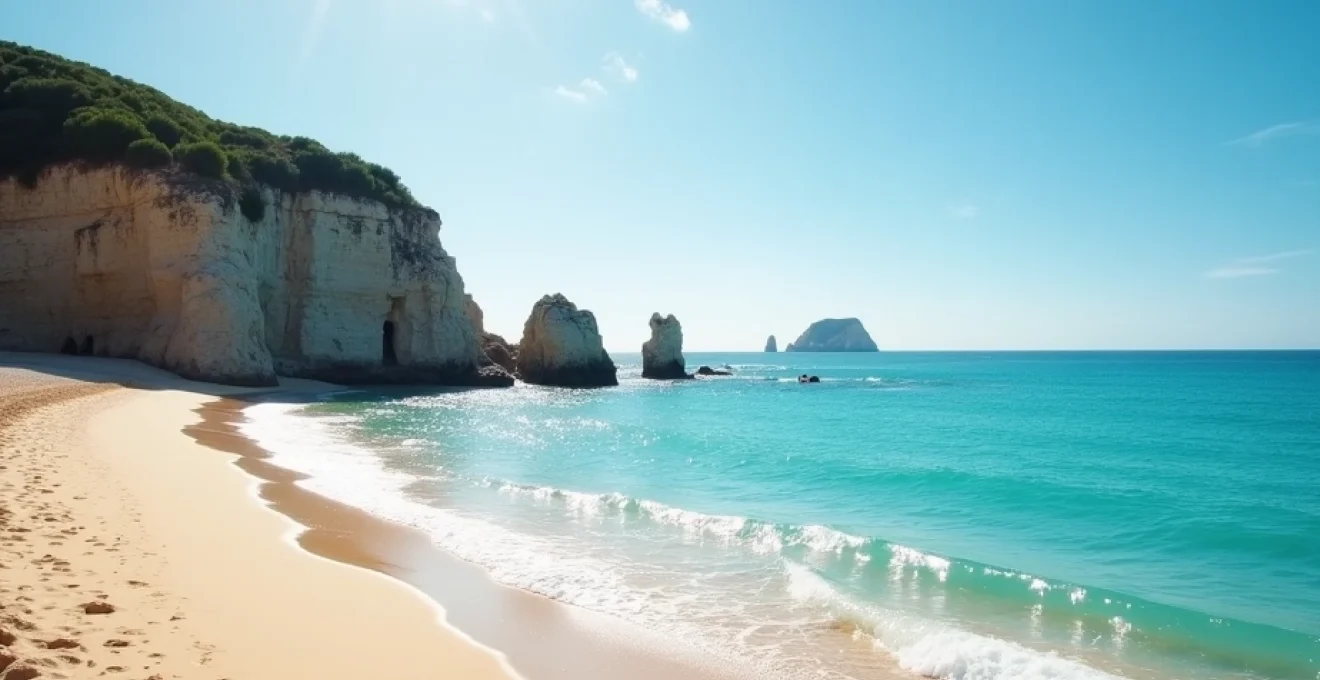
Europe’s coastlines offer some of the world’s most spectacular naturist destinations, where centuries-old traditions of body acceptance meet pristine natural environments. From the sun-drenched Mediterranean shores to the dramatic Atlantic cliffs, the continent boasts over 400 designated clothing-optional beaches that cater to millions of naturist enthusiasts annually. These carefully selected locations provide not only exceptional natural beauty but also the legal framework and social acceptance that make naturism a genuinely liberating experience.
The European naturist movement, which began in Germany over a century ago, has evolved into a sophisticated network of beaches, resorts, and communities that prioritise respect, environmental consciousness, and personal freedom. Whether you’re seeking the vibrant social atmosphere of established naturist resorts or the tranquil solitude of secluded coves, Europe’s diverse coastline delivers unparalleled opportunities for authentic naturist experiences.
Mediterranean naturist destinations: spain’s costa del sol and balearic islands
Spain’s Mediterranean coastline represents perhaps Europe’s most diverse collection of naturist beaches, combining exceptional climate with progressive attitudes towards body freedom. The country’s libertad natural philosophy has created an environment where naturism flourishes alongside traditional beach culture, offering options for every preference and comfort level.
The Spanish naturist scene encompasses everything from remote wilderness beaches to fully-serviced resort communities. With over 3,000 hours of sunshine annually along much of the Mediterranean coast, Spain provides ideal conditions for naturist activities throughout an extended season that runs from April through October.
Playa de vera: almería’s premier Clothing-Optional coastline
Stretching along six kilometres of pristine Andalusian coastline, Playa de Vera stands as one of Europe’s most comprehensive naturist destinations. This remarkable beach combines the raw beauty of Spain’s southeastern coast with excellent facilities and infrastructure. The expansive shoreline ensures ample space even during peak summer months, whilst the consistently warm climate makes it accessible year-round.
The beach’s unique position within the Cabo de Gata-Níjar Natural Park provides a protected environment where marine ecosystems thrive alongside naturist activities. Crystal-clear waters and fine golden sand create optimal conditions for swimming, whilst the backdrop of rugged mountains adds dramatic visual appeal. Local authorities have maintained excellent facilities including shower blocks, parking areas, and emergency services, making Playa de Vera particularly welcoming for first-time naturist visitors.
Es trenc beach: mallorca’s protected naturist sanctuary
Mallorca’s Es Trenc beach exemplifies the perfect marriage between conservation and recreation. This three-kilometre stretch of powdery white sand sits within a protected natural area, ensuring its pristine character remains intact. The beach’s southern section has been designated specifically for naturist use, creating a harmonious coexistence between clothed and clothing-optional areas.
The shallow, turquoise waters make Es Trenc particularly suitable for families exploring naturism together. Behind the beach, extensive dune systems support rare plant species and provide natural windbreaks for comfortable sunbathing. The absence of commercial development maintains the area’s wild beauty , though nearby Colònia de Sant Jordi offers all necessary amenities within a short drive.
Cala saona: formentera’s secluded nudist haven
Often described as the Caribbean of the Mediterranean, Cala Saona on Formentera delivers an almost mythical naturist experience. This relatively small beach compensates for its size with extraordinary beauty – impossibly clear waters in shades of turquoise and aquamarine lap against brilliant white sand, creating a visual spectacle that few beaches worldwide can match.
The cala’s protected position within a natural inlet provides calm waters ideal for swimming and snorkelling, whilst the surrounding pine forests offer shade during the intense midday sun. Access requires a scenic walk through Mediterranean scrubland, ensuring the beach maintains its peaceful atmosphere even during Formentera’s busy summer season.
Costa brava’s hidden coves: platja del torn and cala montgó
The rugged Costa Brava coastline conceals numerous intimate naturist beaches that reward adventurous visitors with exceptional beauty and privacy. Platja del Torn, near L’Escala, represents one of the region’s most established clothing-optional venues. Despite its proximity to Barcelona, the beach maintains a remarkably unspoilt character thanks to its position within the Montgrí Natural Park.
Cala Montgó offers a more secluded alternative, accessible only via a demanding coastal walk that deters casual visitors. The effort is richly rewarded with a pristine pebble beach surrounded by dramatic cliffs and aromatic Mediterranean vegetation. Both locations benefit from the Costa Brava’s exceptional water clarity and diverse marine life, making them popular with naturist divers and snorkellers.
French riviera and atlantic coast naturist establishments
France’s naturist heritage runs deeper than any other European nation, with a sophisticated infrastructure that has evolved over decades to serve millions of annual visitors. The country’s approach to naturism combines savoir-vivre with practical excellence, creating destinations that satisfy both hedonistic and philosophical approaches to clothing-optional living.
From the glamorous Mediterranean coast to the wild Atlantic shores, French naturist venues offer unparalleled variety. The nation’s commitment to naturist rights and freedoms has created a legal and social framework that makes France consistently rank as Europe’s premier naturist destination.
Cap d’agde: europe’s largest naturist resort complex
Spanning over 120 hectares along France’s Mediterranean coast, Cap d’Agde represents naturism on an almost unprecedented scale. This purpose-built naturist city accommodates up to 60,000 visitors during peak season, offering everything from basic camping to luxury apartments, all within a completely clothing-optional environment.
The resort’s two kilometres of private beach provide ample space for every conceivable beach activity, from volleyball tournaments to quiet contemplation. Beyond the shoreline, Cap d’Agde features restaurants, nightclubs, shops, banks, and even a post office – all operating under naturist principles. This comprehensive approach creates a unique social experiment where naturism becomes not just a beach activity but a complete lifestyle experience.
Cap d’Agde demonstrates that naturism can function as a complete social system, challenging conventional notions about clothing, commerce, and community interaction.
Île du levant: heliopolis naturist village heritage
The historic naturist village of Héliopolis on Île du Levant holds special significance as one of Europe’s oldest established naturist communities. Founded in 1931, this remarkable settlement has maintained its founding principles whilst evolving into a sophisticated destination that attracts visitors from across the globe.
The island’s unique character stems from its isolation – accessible only by boat from the mainland, Île du Levant exists as a naturist sanctuary where clothing is actively discouraged in public areas. The community operates its own restaurants, accommodation, and services, creating an immersive naturist experience that extends far beyond typical beach recreation. The island’s dramatic coastline, featuring both sandy beaches and rocky coves, provides diverse environments for every naturist preference.
Plage de tahiti: Saint-Tropez’s exclusive nudist beach
Adjacent to one of Europe’s most glamorous resort towns, Plage de Tahiti offers naturist experiences with a distinctly upmarket flavour. This section of the famous Pampelonne beach has attracted celebrities and socialites since the 1960s, when Brigitte Bardot helped establish its reputation as a sophisticated clothing-optional venue.
The beach’s appeal lies in its combination of luxurious amenities with genuine naturist principles. High-end beach clubs provide gourmet dining and premium services, whilst maintaining the relaxed, accepting atmosphere that defines quality naturist venues. The broad sandy beach and consistently excellent weather make Plage de Tahiti ideal for those seeking naturist experiences without compromising on comfort or style.
Euronat resort: médoc peninsula’s comprehensive naturist facilities
Located on France’s Atlantic coast, Euronat represents European naturist resort development at its finest. This expansive complex combines a stunning ocean-facing beach with extensive inland facilities, creating a destination where naturist visitors can enjoy complete holidays without ever leaving the resort boundaries.
The resort’s beach stretches for over two kilometres along the dramatic Atlantic coastline, where powerful waves and wide sandy expanses create an invigorating alternative to calmer Mediterranean venues. Inland, Euronat features multiple swimming pools, sports facilities, restaurants, and accommodation options ranging from camping pitches to luxury villas. The resort’s commitment to environmental sustainability has earned recognition from ecological organisations, demonstrating how naturist tourism can coexist harmoniously with environmental protection.
Montalivet: gironde’s historic naturist community
The Centre Hélio-Marin at Montalivet holds the distinction of being France’s first official naturist resort, established in 1950 on the Gironde coast. This historic venue has evolved into a comprehensive naturist destination whilst maintaining the pioneering spirit that characterised early European naturism.
Montalivet’s expansive beach, backed by extensive pine forests, provides an archetypal Atlantic coast naturist experience. The powerful ocean swells attract surfers and swimmers seeking more dynamic conditions than Mediterranean venues typically offer. The resort’s accommodation options span from traditional camping to modern apartments, ensuring accessibility for naturist visitors with varying budgets and preferences.
German and dutch north sea naturist territories
Northern Europe’s naturist beaches offer distinctly different experiences from their Mediterranean counterparts, where dramatic coastal landscapes and robust marine environments create invigorating conditions for hardy naturist enthusiasts. Germany’s pioneering FKK (Freikörperkultur) movement established many of Europe’s first official naturist areas, creating a legacy of acceptance and infrastructure that continues today.
The North Sea and Baltic coastlines provide naturist opportunities that emphasise connection with wild natural environments over sun-seeking comfort. These venues attract naturists seeking authentic experiences with nature’s more challenging aspects, where bracing sea air and changeable weather conditions create memorable and character-building experiences.
Sylt island’s buhne 16: germany’s premium FKK beach
Sylt’s Buhne 16 holds historic significance as Germany’s first official naturist beach, established in the early 20th century when the FKK movement was gaining momentum across German-speaking Europe. Today, this prestigious location continues to attract naturist visitors seeking high-quality facilities combined with authentic North Sea coastal experiences.
The beach’s position on Sylt’s western shore provides dramatic views across the North Sea, where powerful waves and expansive sandy beaches create quintessential German naturist experiences. Beach infrastructure includes windbreaks, restaurants, and changing facilities designed to accommodate the challenging North Sea climate. Despite sometimes demanding weather conditions, Buhne 16 maintains active naturist communities throughout the extended northern European summer season.
Grav strand: løkken’s designated naturist section
Denmark’s progressive attitudes towards naturism have created numerous clothing-optional areas along the country’s extensive coastline. Grav Strand, near the fishing town of Løkken, exemplifies Danish naturist beaches with its combination of excellent facilities and spectacular natural beauty.
The beach’s position along Denmark’s dramatic North Sea coast provides constantly changing conditions that create dynamic naturist experiences. Wide sandy beaches backed by impressive dune systems offer protection from prevailing winds, whilst the open ocean delivers the invigorating conditions that characterise Scandinavian naturism. Local authorities maintain excellent facilities including parking, toilets, and safety equipment, ensuring comfortable visits even during challenging weather conditions.
Zandvoort naturist beach: netherlands’ official Clothing-Optional zone
Just 20 kilometres from Amsterdam, Zandvoort’s designated naturist area provides easily accessible clothing-optional recreation for the Netherlands’ urban populations. This official naturist zone demonstrates Dutch pragmatism in naturist policy, where clearly defined areas allow naturist activities within a broader conventional beach environment.
The beach benefits from excellent public transport connections and comprehensive facilities, making it particularly suitable for day visits and introductory naturist experiences. Despite its proximity to major population centres, the naturist area maintains a respectful atmosphere where experienced naturists help newcomers feel comfortable and welcome.
Rømø island: denmark’s expansive sandy naturist coastline
Rømø Island’s vast sandy beaches create some of Europe’s most spacious naturist environments, where seemingly endless coastlines ensure privacy and solitude even during busy summer periods. The island’s unique geography, featuring Europe’s widest sandy beach, provides naturist experiences on an almost unprecedented scale.
Access to the island via causeway creates a sense of separation from mainland pressures, whilst the expansive beach areas allow naturist visitors to find their perfect spots whether seeking social interaction or complete solitude. The island’s commitment to environmental protection ensures that its spectacular natural character remains intact for future generations of naturist visitors.
Croatian adriatic and portuguese atlantic naturist beaches
Croatia’s emergence as a major European tourist destination has included significant development of naturist facilities along its spectacular Adriatic coastline. The country’s numerous islands and secluded coves provide ideal conditions for naturist activities, whilst progressive tourism policies have encouraged the development of high-quality naturist venues.
Valalta Resort near Rovinj represents Croatia’s premier naturist destination, offering comprehensive facilities on a dramatic peninsula setting. The resort’s combination of pebble beaches, rocky coves, and extensive inland facilities creates diverse environments for every naturist preference. Crystal-clear Adriatic waters and abundant marine life make Croatian naturist venues particularly appealing for swimming and underwater activities.
Portugal’s Atlantic coast offers naturist experiences characterised by dramatic coastal scenery and powerful ocean conditions. Praia das Adegas in Odeceixe exemplifies Portuguese naturist beaches, where expansive sandy shores meet towering cliffs and consistent surf. The beach’s position within the Southwest Alentejo and Vicentine Coast Natural Park ensures protection from development whilst maintaining excellent access and facilities.
The contrast between Portugal’s naturist venues and Mediterranean alternatives provides valuable diversity for European naturist tourism. Where Mediterranean beaches emphasise calm conditions and consistent sunshine, Portuguese Atlantic venues offer more dynamic experiences where changing weather and sea conditions create engaging challenges for experienced naturist visitors.
Portuguese naturist beaches demonstrate that clothing-optional recreation can thrive in more demanding natural environments, where the rewards of naturist experiences are enhanced by authentic engagement with wild coastal ecosystems.
Naturist beach etiquette and legal framework across european jurisdictions
European naturist beaches operate within diverse legal frameworks that reflect varying national attitudes towards body freedom and public nudity. Understanding these differences proves essential for naturist travellers seeking to respect local customs whilst enjoying clothing-optional recreation across multiple countries.
Germany’s comprehensive FKK legislation provides the most permissive environment for naturist activities, where designated areas receive strong legal protection and public support. French naturist venues benefit from equally supportive legal frameworks, though with more emphasis on commercial naturist developments. Spanish, Portuguese, and Croatian approaches focus primarily on designated beach areas where naturism coexists harmoniously with conventional recreation.
Universal naturist etiquette principles apply across all European venues, emphasising respect, hygiene, and environmental responsibility. The fundamental rule of always carrying a towel for sitting ensures hygiene standards, whilst photography restrictions protect privacy. Most importantly, the principle of non-sexual behaviour distinguishes legitimate naturist venues from inappropriate activities.
Newcomers to European naturist beaches benefit from understanding that social dynamics often differ significantly from conventional beach environments. Naturist communities typically demonstrate greater openness and acceptance, where conversations flow more freely and social barriers diminish. However, this openness operates within clear boundaries of appropriate behaviour and mutual respect.
| Country | Legal Status | Designated Areas | Public Acceptance |
|---|---|---|---|
| Germany | Fully Protected | 400+ beaches | Very High |
| France | Comprehensive Rights | 300+ venues | Very High |
| Spain | Regional Variation | 200+ beaches | High |
| Netherlands | Designated Areas | 50+ locations | High |
| Croatia | Tourism Focused | 30+ resorts | Growing |
Seasonal accessibility and climate considerations for european nudist beach tourism
European naturist beaches experience dramatic seasonal variations that significantly impact accessibility, comfort levels, and the overall naturist experience. Understanding these climatic patterns proves essential for planning successful naturist holidays across the continent’s diverse geographical regions.
The Mediterranean naturist season typically extends from April through October, with peak conditions occurring between June and September. During these months, sea temperatures range from 18°C to 26°C, whilst air temperatures consistently exceed 25°C. Spanish and French Mediterranean venues benefit from over 300 days of sunshine annually, creating optimal conditions for extended naturist activities. However, summer crowds can impact the peaceful atmosphere that many naturists seek, making shoulder seasons increasingly popular among experienced visitors.
Atlantic coast venues face more challenging seasonal constraints, where water temperatures rarely exceed 20°C even during summer months. Portuguese and western French naturist beaches compensate for cooler conditions with dramatic coastal scenery and excellent surf, attracting naturists who appreciate more dynamic marine environments. The extended daylight hours during northern European summers create unique opportunities for late evening naturist activities, though visitors must prepare for rapidly changing weather conditions.
Northern European naturist venues operate within significantly compressed seasons, where July and August provide the most reliable conditions for comfortable clothing-optional recreation. German and Dutch North Sea beaches experience average summer temperatures of 18-22°C, requiring robust constitutions and appropriate preparation for wind and rain. However, these challenging conditions often create more intimate naturist communities, where shared experiences of bracing sea air and dramatic weather forge stronger social connections.
Seasonal planning for European naturist tourism requires balancing personal comfort preferences against crowd levels, accommodation availability, and local weather patterns to optimise the naturist holiday experience.
Winter naturist opportunities exist primarily in indoor facilities and heated pool complexes, though hardy enthusiasts continue ocean swimming year-round at venues like Cap d’Agde and certain German Baltic locations. These winter naturist activities emphasise health benefits and community spirit over sun-seeking recreation, attracting dedicated practitioners who view naturism as a lifestyle rather than seasonal activity.
Climate change impacts are increasingly affecting European naturist beach tourism, with rising sea levels threatening some coastal venues whilst extending the viable season at northern locations. Many naturist resort operators are adapting infrastructure to accommodate changing weather patterns, including improved windbreaks, heated facilities, and flexible accommodation options that can handle variable seasonal demands.
Planning considerations for European naturist beach tourism should account for regional festivals, local holidays, and school vacation periods that significantly impact crowd levels and accommodation availability. The most experienced naturist travellers often prefer May, September, and early October for Mediterranean venues, when weather remains excellent but tourist pressures diminish substantially.