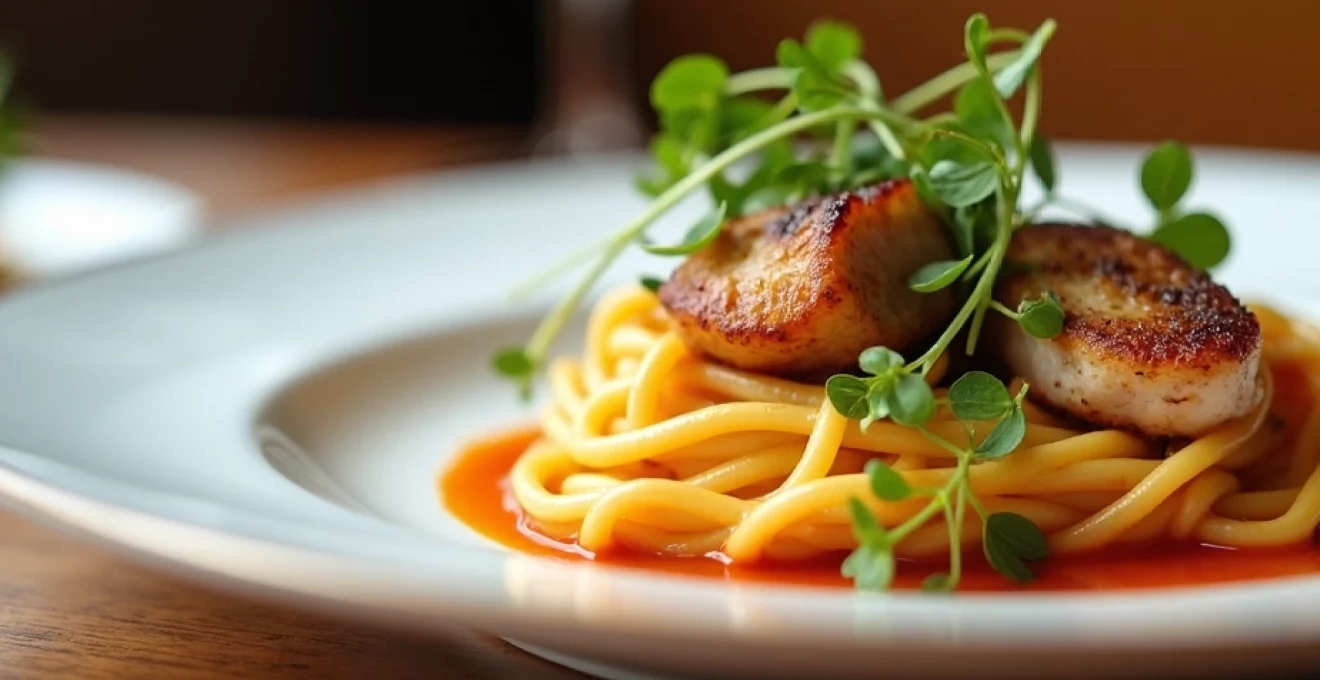
Europe stands as the world’s ultimate culinary playground, where centuries of tradition blend seamlessly with innovative gastronomy to create unforgettable dining experiences. From Copenhagen’s revolutionary Nordic cuisine movement to the ancient wine cellars of Champagne, the continent offers food enthusiasts an extraordinary journey through diverse flavours, techniques, and cultural heritage. Each region tells its unique story through carefully crafted dishes, time-honoured cooking methods, and passionate artisans who have dedicated their lives to preserving and evolving Europe’s rich gastronomic landscape.
The European food scene represents more than mere sustenance; it embodies a cultural tapestry woven from historical influences, geographical advantages, and generations of culinary expertise. Whether you seek the precision of Michelin-starred establishments or the authentic charm of traditional street markets, Europe delivers experiences that satisfy every palate and budget. The continent’s commitment to quality ingredients, sustainable practices, and culinary innovation continues to set global standards for exceptional dining.
Michelin-starred gastronomic destinations across european capitals
European capitals house some of the world’s most prestigious Michelin-starred restaurants, where culinary artistry reaches its pinnacle through meticulous attention to detail and innovative techniques. These establishments serve as laboratories for gastronomic experimentation, pushing boundaries whilst respecting classical foundations. The concentration of starred venues in cities like Paris, London, and Copenhagen demonstrates Europe’s dominance in fine dining excellence.
The Michelin Guide’s influence on European gastronomy cannot be overstated, with chefs dedicating their careers to achieving and maintaining these coveted stars. Beyond recognition, these establishments contribute significantly to culinary education and innovation, inspiring countless professionals worldwide. The investment required to maintain Michelin standards often exceeds €2 million annually for three-starred restaurants, reflecting the commitment to excellence that defines European fine dining.
Noma’s nordic cuisine revolution in copenhagen’s christianshavn district
Copenhagen’s Noma fundamentally transformed global perceptions of Nordic cuisine through its revolutionary approach to local ingredients and fermentation techniques. Chef René Redzepi’s philosophy of hyper-local sourcing and seasonal menus created a new culinary language that emphasises terroir over tradition. The restaurant’s influence extends far beyond its walls, inspiring a generation of chefs to explore their regional ingredients with unprecedented creativity and respect.
The Nordic cuisine movement pioneered by Noma emphasises sustainability, foraging, and preservation techniques that were once considered obsolete. Fermentation laboratories within the restaurant produce unique flavour profiles that cannot be replicated elsewhere, creating dishes that truly reflect the Danish landscape and climate. This approach has generated waiting lists exceeding 100,000 reservations and influenced culinary schools worldwide to incorporate Nordic techniques into their curricula.
Osteria francescana’s tortellini di zucca mastery in modena’s historic centre
Massimo Bottura’s Osteria Francescana represents the perfect marriage of traditional Emilian cuisine and contemporary innovation, particularly evident in their legendary tortellini di zucca. The restaurant’s location in Modena’s historic centre provides access to the finest Parmigiano Reggiano, aged balsamic vinegar, and locally sourced squash varieties that define this signature dish. Each tortellino requires precise folding techniques passed down through generations, yet Bottura’s interpretation elevates this humble pasta to artistic heights.
The preparation of tortellini di zucca at Osteria Francescana involves a 24-hour process that begins with selecting perfect Delica pumpkins from local producers. The filling combines amaretti di Saronno, mostarda di Cremona, and aged Parmigiano Reggiano in proportions that create perfect balance between sweet and savoury elements. This meticulous approach to traditional Italian craftsmanship demonstrates how Michelin-starred establishments preserve cultural heritage whilst achieving contemporary excellence.
Le bernardin’s seafood techniques at guy savoy paris in la monnaie de paris
Guy Savoy’s establishment in La Monnaie de Paris showcases seafood preparation techniques that rival the world’s finest fish restaurants, emphasising French precision and artistry. The restaurant’s location within the historic French mint building provides an appropriately grand setting for dishes that celebrate France’s extensive coastline and fishing traditions. Savoy’s approach to seafood cookery focuses on enhancing natural flavours rather than masking them, using techniques perfected over decades of culinary excellence.
The seafood sourcing programme at Guy Savoy involves direct relationships with fishing ports across Brittany, Normandy, and the Mediterranean coast. Daily deliveries ensure that fish arrives within hours of being caught, maintaining the pristine quality essential for raw preparations and delicate cooking methods. The restaurant’s fish aging programme allows certain species to develop enhanced flavours through controlled decomposition, a technique that requires extraordinary skill and precise timing to execute successfully.
Eleven madison Park-Inspired Plant-Based menus at geranium copenhagen
Geranium Copenhagen has embraced plant-based gastronomy with the same precision and creativity that earned it three Michelin stars, creating vegetarian tasting menus that rival any omnivorous offering. Chef Rasmus Kofoed’s approach to plant-based cuisine goes beyond simple substitution, reimagining how vegetables, grains, and legumes can provide complex flavours and satisfying textures. The restaurant’s commitment to sustainable dining practices reflects growing consumer awareness about environmental impact whilst maintaining uncompromising culinary standards.
The plant-based menu development at Geranium involves extensive research into heirloom varieties, ancient grains, and fermentation processes that unlock hidden potential in vegetarian ingredients. Techniques such as vegetable aging, plant-based protein extraction, and complex fermentation create umami-rich dishes that satisfy even devoted carnivores. This innovative vegetarian gastronomy demonstrates how high-end restaurants can lead sustainability initiatives without compromising culinary excellence or profitability.
Traditional street food markets and authentic culinary quarters
Europe’s street food markets represent the authentic heart of regional cuisine, where generations of vendors have perfected recipes that reflect local tastes and traditions. These bustling marketplaces offer visitors genuine cultural immersion through food, providing access to specialities that rarely appear in formal restaurants. The social aspect of market dining creates connections between locals and visitors, fostering understanding through shared appreciation of good food and community spirit.
Traditional markets serve as living museums of culinary heritage, preserving preparation methods and recipes that might otherwise disappear in our increasingly homogenised food landscape. Many vendors represent family businesses spanning multiple generations, with secret recipes and techniques passed down through oral tradition. The economic impact of these markets extends throughout local communities, supporting small-scale producers, artisans, and service providers who depend on foot traffic and regular customers.
The authenticity found in European street markets cannot be replicated in commercial establishments, as these spaces represent genuine community gathering places where food culture thrives organically.
Borough market’s artisanal producers and heritage food stalls in southwark
Borough Market stands as London’s premier destination for artisanal food products, bringing together producers from across Britain and Europe under magnificent Victorian railway arches. The market’s 1,000-year history provides authenticity that attracts both serious food enthusiasts and casual visitors seeking quality ingredients and prepared foods. Vendors specialise in everything from aged British cheeses to freshly baked sourdough bread, creating a comprehensive showcase of contemporary British food culture.
The selection process for Borough Market vendors involves rigorous quality standards that ensure only the finest producers gain access to prime trading positions. Many stallholders maintain direct relationships with farms, dairies, and fisheries, guaranteeing traceability and freshness that supermarkets cannot match. Weekend visits offer the fullest experience, with cooking demonstrations, tastings, and artisanal food workshops that educate visitors about production methods and seasonal availability.
Mercado de san miguel’s tapas culture and jamón ibérico tastings in madrid
Madrid’s Mercado de San Miguel epitomises Spanish tapas culture within a beautifully restored iron and glass structure that dates to 1916. The market’s central location near Plaza Mayor makes it an essential stop for visitors seeking authentic Spanish flavours in a historic setting. Vendors specialise in regional products from across Spain, offering everything from Galician oysters to Andalusian olive oils, creating a comprehensive tour of Spanish gastronomy under one roof.
The jamón ibérico tastings at Mercado de San Miguel provide education about Spain’s most prized cured meat, with experts explaining the differences between various grades and aging processes. Premium bellota jamón, from acorn-fed pigs, commands prices exceeding €200 per kilogram, reflecting the careful breeding, feeding, and curing processes required to achieve perfect flavour and texture. Visitors can compare different denominaciones de origen to understand how terroir influences this iconic Spanish product.
Naschmarkt’s austrian schnitzel vendors and sachertorte specialists in vienna
Vienna’s Naschmarkt combines fresh produce vendors with prepared food stalls specialising in Austrian classics, creating an authentic dining experience that locals have enjoyed for over 100 years. The market’s schnitzel vendors use traditional preparation methods, hand-pounding veal cutlets and coating them in fresh breadcrumbs before frying in clarified butter. This attention to traditional technique produces the light, crispy texture that defines authentic Wiener Schnitzel.
Sachertorte specialists within Naschmarkt offer alternatives to the famous Hotel Sacher version, often with family recipes that predate the commercial establishment. These artisanal versions feature variations in apricot jam thickness, chocolate ganache composition, and sponge cake density that reflect personal preferences and regional traditions. The competitive atmosphere among vendors ensures consistent quality and reasonable pricing compared to tourist-focused establishments elsewhere in Vienna.
Grand bazaar istanbul’s turkish delight workshops and baklava masterclasses
Istanbul’s Grand Bazaar houses traditional sweet shops where visitors can observe Turkish delight production and participate in baklava-making workshops led by master confectioners. These centuries-old establishments use recipes and techniques that have remained largely unchanged since Ottoman times, creating authentic flavours that reflect Turkey’s position as a bridge between European and Asian culinary traditions. The workshops provide hands-on experience in phyllo pastry handling and syrup preparation that defines quality baklava.
The Turkish delight varieties available in the Grand Bazaar include flavours rarely found elsewhere, such as mastic from Chios, double-roasted pistachios from Gaziantep, and rose water from Isparta. Production involves precise temperature control and timing that requires years of experience to master, with subtle variations in cooking time affecting final texture and shelf life. Master confectioners often demonstrate their skills throughout the day, creating edible entertainment that attracts crowds of fascinated observers and potential customers.
Regional wine terroir and viticulture tourism experiences
European wine regions offer immersive experiences that connect visitors with centuries of viticultural tradition and the concept of terroir – the unique combination of soil, climate, and human expertise that defines exceptional wines. These destinations provide educational opportunities that go far beyond simple tastings, incorporating vineyard tours, harvest participation, and meetings with winemakers who represent generations of family knowledge. The economic impact of wine tourism generates billions of euros annually whilst preserving traditional landscapes and cultural practices.
Modern wine tourism emphasises sustainability and authenticity, with many producers adopting organic and biodynamic practices that enhance both wine quality and environmental stewardship. Visitors increasingly seek experiences that provide genuine insight into winemaking processes, from grape selection to barrel aging, rather than superficial tastings. The integration of accommodation, dining, and cultural activities creates comprehensive packages that extend visits and increase regional economic benefits.
Burgundy’s côte d’or vineyard tours and premier cru tastings
Burgundy’s Côte d’Or represents the pinnacle of terroir-driven winemaking, where microscopic differences in soil composition and slope orientation create wines of remarkable complexity and value. The region’s Premier Cru vineyards offer tastings that demonstrate how seemingly identical Pinot Noir and Chardonnay grapes produce dramatically different wines based on specific vineyard locations. These experiences provide wine education that cannot be replicated elsewhere, as Burgundy’s classification system reflects centuries of empirical observation about vineyard quality.
The harvest season in Burgundy provides unique opportunities for visitors to participate in traditional grape picking alongside local workers, gaining firsthand understanding of selection criteria and timing decisions that affect wine quality. Many domaines offer multi-day programmes combining accommodation, meals, and vineyard work, creating immersive experiences that foster deep appreciation for viticultural craftsmanship . Premium tastings of Grand Cru wines can cost €200 per person but provide access to bottles worth thousands of euros that rarely appear in commercial tastings.
Douro valley’s port wine quintas and traditional lagares processing
Portugal’s Douro Valley combines spectacular terraced vineyard landscapes with authentic port wine production methods that have remained largely unchanged for centuries. The traditional lagares – shallow granite tanks where grapes are crushed by foot – provide visitors with hands-on experience in port production whilst contributing to actual wine that will be aged in cellars beneath the quintas. These experiences connect participants with centuries of tradition whilst producing wines that reflect both human artistry and natural terroir.
The logistics of Douro Valley wine tourism involve challenging navigation of steep, narrow roads that require careful planning and local expertise to access the most authentic quintas. Many properties offer helicopter transfers from Porto to maximize vineyard time whilst minimizing travel stress, though these premium services cost €500-800 per person. The combination of spectacular scenery and authentic winemaking creates photo opportunities and memories that justify the investment for serious wine enthusiasts.
Champagne region’s méthode champenoise cellars in épernay and reims
The Champagne region’s chalk cellars provide optimal conditions for sparkling wine aging whilst offering visitors underground experiences that combine history, geology, and winemaking expertise. These ancient chalk quarries, some dating to Roman times, maintain consistent temperatures and humidity levels that enable the complex aging processes essential for quality champagne production. Tours of major houses like Moët & Chandon and Veuve Clicquot reveal production secrets whilst smaller producers offer more intimate experiences with family winemakers.
The méthode champenoise process requires multiple years and precise intervention timing that visitors can observe during harvest and riddling seasons. The manual riddling process, performed by skilled cellar workers called riddlers, involves rotating thousands of bottles by hand to consolidate sediment before disgorgement. Modern pneumatic riddling machines have replaced much manual labour, but traditional houses maintain hand-riddling for their prestige cuvées to preserve authenticity and justify premium pricing strategies.
Tuscany’s brunello di montalcino estate visits and sangiovese varietal studies
Montalcino’s hilltop location and unique microclimate create ideal conditions for Sangiovese cultivation, producing Brunello di Montalcino wines that command international recognition and premium prices. Estate visits provide education about clone selection, vineyard management, and aging requirements that distinguish Brunello from other Sangiovese-based wines. The minimum five-year aging requirement, including two years in oak barrels, creates investment challenges that smaller producers address through estate visits and direct sales to supplement traditional distribution channels.
The complexities of Sangiovese varietal expression become apparent through comparative tastings of Brunello, Rosso di Montalcino, and Chianti Classico wines produced from the same grape variety under different regulations and terroir conditions. These educational experiences help visitors understand how appellation rules, aging requirements, and vineyard practices influence wine style and pricing. Many estates offer vertical tastings spanning multiple vintages to demonstrate how weather variations and winemaker decisions affect wine development over time.
Rioja’s tempranillo harvest participation and traditional bodega aging methods
Spain’s Rioja region offers harvest participation programmes that combine vineyard work with education about Tempranillo grape characteristics and optimal picking timing decisions. The region’s classification system, based on aging periods in oak barrels and bottles, creates clear quality hierarchies that visitors can explore through comparative tastings of Crianza, Reserva, and Gran Reserva wines. Traditional bodegas maintain extensive barrel inventory that requires significant capital investment but produces the complex flavours that define premium Rioja wines.
The American oak barrel tradition in Rioja creates distinctive vanilla and coconut flavours that differentiate Spanish wines from their French counterparts, which typically use French oak with more subtle flavour contributions. Visitors can observe coopers repairing and maintaining barrels using traditional techniques that require years of apprenticeship to master. The economic model of extended aging means that Gran Reserva wines sold today were produced from grapes harvested over
a decade ago, demonstrating the patience and long-term vision required for traditional Spanish winemaking excellence.
Artisanal food production workshops and culinary masterclasses
European artisanal food workshops provide hands-on experiences that connect visitors with traditional production methods whilst supporting local craftspeople who maintain centuries-old techniques. These immersive programmes offer unique insights into cheese-making, bread baking, charcuterie production, and pastry arts that cannot be replicated through observation alone. The intimate nature of these workshops, typically limited to 8-12 participants, ensures personalised instruction and meaningful interaction with master artisans.
The economic model of artisanal food workshops supports rural communities by providing additional revenue streams for traditional producers facing competition from industrial food manufacturing. Many workshops include accommodation and meals, extending visitor stays and multiplying economic benefits throughout local hospitality sectors. The premium pricing of these experiences, often €150-400 per person per day, reflects both the specialised instruction provided and the high-quality ingredients used in production.
Tuscan cheese-making workshops in the hills surrounding Siena offer participants the opportunity to learn traditional pecorino production from shepherds whose families have maintained flocks for generations. The process involves early morning milking, precise temperature control during curd formation, and traditional aging techniques that require careful monitoring of humidity and temperature conditions. Participants create wheels of cheese that are shipped to their homes after appropriate aging periods, providing lasting memories and tangible results from their learning experience.
French boulangerie masterclasses in Lyon teach traditional bread-making techniques that have defined French baking for centuries, including proper sourdough starter maintenance, dough fermentation timing, and oven management for optimal crust development. These workshops often begin before dawn to accommodate the traditional baker’s schedule, providing authentic insight into the demanding lifestyle required for artisanal bread production. The instruction covers both technical skills and business considerations, as many participants seek to establish their own bakeries or improve existing operations.
Master artisans in Europe preserve not just recipes and techniques, but entire cultural traditions that risk disappearing without dedicated efforts to transfer knowledge to new generations.
Seasonal festivals and protected designation of origin celebrations
Europe’s seasonal food festivals celebrate Protected Designation of Origin (PDO) products whilst providing economic opportunities for rural communities and preserving traditional food culture. These events, ranging from truffle festivals in Périgord to olive oil celebrations in Andalusia, attract thousands of visitors annually and generate millions in tourism revenue. The timing of these festivals corresponds with optimal harvest periods, ensuring peak quality products and authentic agricultural experiences.
The legal framework protecting European food designations ensures that festival offerings represent genuine regional specialities rather than commercial imitations, creating trust between producers and consumers whilst preserving cultural authenticity. PDO certification requires adherence to specific production methods, geographic boundaries, and quality standards that have been refined over generations. The economic value of PDO products often exceeds standard versions by 200-300%, reflecting consumer willingness to pay premium prices for authenticated quality.
Burgundy’s wine harvest festivals provide opportunities to participate in vendange traditions whilst sampling new vintages alongside experienced vignerons who share insights about vintage conditions and winemaking decisions. These celebrations combine serious wine education with festive atmospheres that welcome both experts and casual enthusiasts. The social aspects of harvest festivals strengthen community bonds whilst introducing visitors to local customs and traditions that define regional identity.
Italy’s white truffle festivals in Alba and surrounding Piemonte villages celebrate one of Europe’s most prized seasonal ingredients through markets, cooking demonstrations, and guided truffle hunts with trained dogs. The brief season for fresh white truffles, typically October through December, creates urgency and excitement that drives international travel specifically timed to coincide with optimal availability. Prices for premium white truffles can exceed €3,000 per kilogram, making these festivals opportunities to experience luxury ingredients that few can afford in restaurant settings.
Spain’s jamón ibérico celebrations in Extremadura coincide with the traditional matanza season when pigs are processed according to ancestral methods that create the distinctive flavours of this prized cured meat. Visitors can observe entire production processes from slaughter through initial curing stages, gaining appreciation for the skill and timing required to produce quality jamón. These festivals maintain cultural traditions that younger generations might otherwise abandon in favour of modern industrial food production methods.
Farm-to-table agritourism and sustainable gastronomy initiatives
European agritourism operations demonstrate sustainable food production whilst providing authentic rural experiences that connect urban visitors with agricultural realities and environmental stewardship practices. These working farms offer accommodation, meals, and hands-on participation in daily operations that reveal the challenges and rewards of sustainable farming. The growth of agritourism reflects increasing consumer interest in food traceability and environmental impact whilst supporting rural economies through diversified income streams.
The certification requirements for organic and biodynamic farming create additional costs and labour demands that agritourism revenue helps offset, making sustainable practices economically viable for small-scale producers. Many operations invest tourism profits into renewable energy systems, soil improvement programmes, and heritage breed conservation that benefits both environmental sustainability and visitor experience quality. The educational component of agritourism extends beyond farming techniques to include broader topics such as biodiversity conservation, climate change adaptation, and rural community preservation.
Tuscany’s organic vineyard accommodations provide immersive experiences in biodynamic wine production whilst showcasing how traditional farming methods can achieve both environmental sustainability and economic viability. Guests participate in vineyard management tasks throughout the growing season, from pruning and harvest to composting and cover crop management that maintains soil health without synthetic inputs. The integration of accommodation, dining, and wine production creates comprehensive packages that justify premium pricing whilst demonstrating practical applications of sustainable agriculture principles.
Scottish Highland cattle farms offer agritourism experiences focused on heritage breed conservation and extensive grazing systems that maintain traditional landscapes whilst producing premium beef and dairy products. Visitors learn about breed characteristics, pasture management, and seasonal migration patterns that define traditional Highland farming systems. The challenging climate and terrain of the Scottish Highlands require farming approaches that work with natural systems rather than attempting to overcome them through technological intervention.
Norway’s Arctic farming operations provide unique insights into extreme climate agriculture and the innovations required to produce food in challenging conditions where growing seasons may be limited to three months annually. These farms utilise greenhouse technology, soil warming systems, and carefully selected crop varieties that can mature quickly in continuous daylight conditions. The creativity required for successful Arctic farming creates compelling educational content for visitors whilst supporting remote communities that might otherwise lack economic opportunities.
French permaculture farms demonstrate integrated food production systems that maximise yield whilst minimising environmental impact through carefully designed polycultures and water management systems. These operations often function as research centres where innovative techniques are tested and refined before being shared with other producers. Visitors gain practical knowledge about companion planting, natural pest management, and soil building techniques that can be applied in home gardens or larger agricultural operations. The holistic approach to farm design considers energy flows, waste cycling, and ecosystem services that create resilient food production systems capable of adapting to climate change challenges whilst maintaining productivity and profitability.