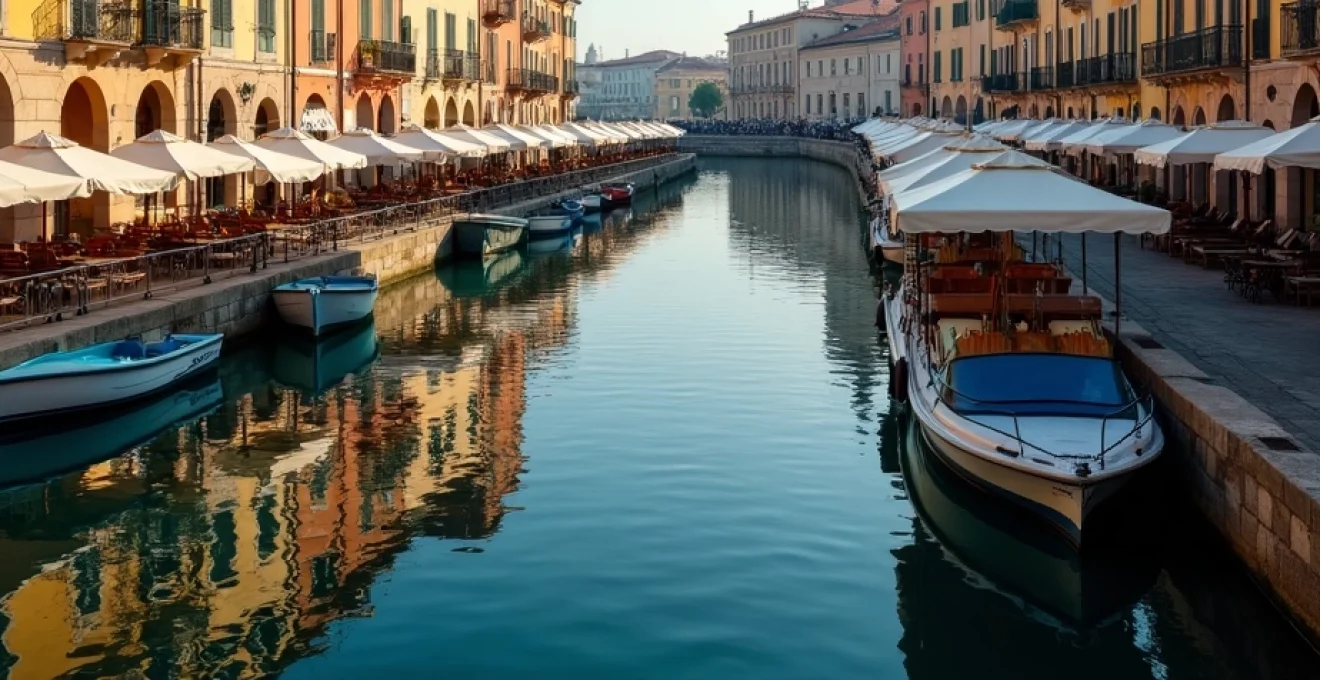
November presents an exceptional opportunity for European travel, offering a perfect balance between mild weather, reduced crowds, and compelling pricing. As summer’s peak season fades and winter’s festive preparations begin, this shoulder month unveils Europe at its most authentic and accessible. The continent transforms into a tapestry of autumn colours, comfortable temperatures, and cultural richness that savvy travellers have long recognised as one of the year’s most rewarding periods for exploration.
From the sun-drenched Mediterranean islands maintaining their warmth to Central European cities adorned with early Christmas preparations, November delivers diverse experiences across the continent. The month’s unique positioning allows visitors to witness Europe’s seasonal transition whilst benefiting from off-peak advantages that enhance both the travel experience and budget considerations.
Mediterranean climate advantages for november travel patterns
The Mediterranean basin maintains its appeal throughout November, offering some of Europe’s most consistent weather conditions during this transitional period. Temperature stability across the region creates ideal circumstances for outdoor exploration, cultural immersion, and relaxed sightseeing without the intensity of summer heat or the unpredictability of winter weather systems.
Mediterranean destinations benefit from the thermal mass effect of the sea, which moderates temperature fluctuations and maintains pleasant daytime conditions well into late autumn. This climatic advantage positions the region as Europe’s primary warm-weather sanctuary during November, attracting visitors seeking extended outdoor season opportunities.
Cyprus paphos archaeological park and coastal weather dynamics
Cyprus emerges as a November destination of exceptional merit, with average temperatures hovering around 22°C and approximately seven hours of daily sunshine. The island’s position in the eastern Mediterranean creates a microclimate that extends the pleasant weather season significantly beyond mainland European destinations. Paphos Archaeological Park becomes particularly attractive during this period, as the reduced temperatures make extensive outdoor exploration comfortable whilst maintaining clear skies for optimal photography and sightseeing.
The coastal weather dynamics around Paphos demonstrate remarkable consistency throughout November. Sea temperatures remain around 20°C, whilst coastal breezes provide natural air conditioning during the warmer parts of the day. This combination creates perfect conditions for exploring the UNESCO World Heritage mosaics and ancient ruins without the crowds that characterise peak season visits.
Malta valletta UNESCO heritage sites during shoulder season
Malta’s capital city transforms into a cultural haven during November’s shoulder season, with temperatures averaging 21°C and extended periods of sunshine creating optimal conditions for heritage site exploration. Valletta’s limestone architecture takes on a golden hue during the softer November light, whilst the reduced tourist density allows for more intimate engagement with the city’s remarkable historical legacy.
The shoulder season timing proves particularly advantageous for photography enthusiasts and cultural immersion seekers. St. John’s Co-Cathedral and the Grand Master’s Palace become accessible without the queuing and crowding that characterise summer months. The city’s compact size makes it perfectly suited to November’s daylight hours, allowing comprehensive exploration whilst maintaining comfort throughout extended walking tours.
Crete chania venetian harbour microclimate analysis
Chania’s Venetian harbour benefits from a unique microclimate that maintains favourable conditions throughout November. The combination of Mediterranean positioning and protective mountain ranges creates a weather pocket with reduced wind exposure and enhanced temperature stability. Average temperatures reach 19°C during the day, whilst evening temperatures rarely drop below 14°C, creating comfortable conditions for both daytime exploration and evening dining.
The harbour’s architectural heritage becomes particularly photogenic during November’s golden hour lighting. The reduced tourist presence allows for unobstructed views of the iconic lighthouse and Venetian fortifications, whilst local tavernas maintain full operation with the added benefit of outdoor seating remaining comfortable throughout the day. The microclimate effect extends inland, making excursions to nearby archaeological sites and mountain villages equally appealing.
Southern spain andalusia temperature stability metrics
Andalusia demonstrates remarkable temperature consistency during November, with cities like Seville averaging 20°C and experiencing approximately six hours of daily sunshine. The region’s position between the Atlantic Ocean and Mediterranean Sea creates a weather pattern that moderates extremes whilst maintaining warmth well into the autumn months. This stability makes Andalusia an ideal destination for extended cultural tours and outdoor activities.
The temperature metrics reveal why Andalusia has become increasingly popular for November escapes. Daytime temperatures regularly reach 22-24°C in cities like Córdoba and Granada, whilst nighttime lows rarely fall below 12°C. This range provides perfect conditions for exploring the region’s architectural masterpieces, including the Alhambra, Mezquita, and Alcázar complexes, without the exhausting heat that can characterise summer visits.
Central european urban cultural destinations in late autumn
Central Europe unveils its cultural depth during November’s crisp autumn atmosphere, as historic cities adopt a contemplative character enhanced by shorter days and atmospheric lighting. The region’s architectural heritage gains particular prominence during this season, when golden hour illumination transforms stone facades and creates dramatic shadows that highlight centuries of artistic achievement.
Urban destinations across Central Europe benefit from November’s reduced tourism pressure, allowing for more authentic cultural encounters and improved access to museums, galleries, and performance venues. The seasonal transition creates a unique ambience that combines autumn’s natural beauty with the early stirrings of festive preparations, offering visitors a multifaceted cultural experience.
Vienna schönbrunn palace winter garden accessibility
Vienna’s imperial grandeur reaches its peak during November, when the city’s baroque architecture contrasts beautifully with autumn foliage and early evening illuminations. Schönbrunn Palace benefits enormously from November timing, as reduced visitor numbers allow for more contemplative exploration of the imperial apartments and grounds. The Winter Garden becomes particularly appealing during this season, offering a controlled climate environment that showcases exotic plantings whilst providing respite from outdoor temperatures that average around 12°C.
The palace complex demonstrates enhanced accessibility during November’s shoulder season. Advanced booking requirements are relaxed compared to summer months, whilst guided tours maintain full schedules without the crowding that can diminish the experience during peak periods. The combination of historical significance and seasonal atmosphere creates an optimal environment for cultural immersion and photography.
Prague charles bridge and old town square november ambience
Prague’s mystical character intensifies during November, as morning mists rising from the Vltava River create an ethereal atmosphere around Charles Bridge and the Old Town Square. The city’s Gothic and baroque architecture gains dramatic emphasis from November’s low-angle sunlight, whilst the reduced tourist density allows for unobstructed appreciation of Prague’s architectural masterpieces. Average temperatures around 8°C create crisp conditions that enhance the city’s atmospheric qualities.
Early morning visits to Charles Bridge become particularly rewarding during November, as the combination of mist and sunrise lighting creates photographic opportunities unavailable during other seasons. The Old Town Square’s astronomical clock and surrounding medieval buildings benefit from the season’s unique lighting conditions, whilst traditional Czech restaurants offer warming dishes that complement the atmospheric setting perfectly.
Budapest széchenyi thermal baths seasonal operations
Budapest transforms into a thermal paradise during November, as the city’s famous bathhouse culture provides perfect contrast to autumn’s cooling temperatures. Széchenyi Thermal Baths maintain full operational schedules throughout November, with the unique experience of soaking in 38°C thermal waters whilst surrounded by crisp autumn air creating an unforgettable sensory combination. The facility’s outdoor pools become particularly atmospheric during November evenings, when steam rises dramatically against the cooling air.
The seasonal operations extend beyond basic bathing facilities to include therapeutic treatments and wellness programmes specifically designed for autumn visitors. The contrast between Budapest’s architectural grandeur and its thermal culture creates a unique urban experience that combines historical exploration with relaxation opportunities unavailable in most European capitals.
Salzburg mozart festival venues Off-Peak scheduling
Salzburg’s musical heritage gains special prominence during November, as the city’s concert venues operate enhanced programmes designed to complement the season’s contemplative atmosphere. The Mozart Festival venues, including the iconic Salzburg Festival Hall, maintain active schedules with reduced ticket prices and improved availability compared to summer’s peak season. The city’s baroque architecture provides an atmospheric backdrop that enhances the musical experience during November’s golden hour lighting.
Off-peak scheduling allows for more intimate musical experiences, with chamber music performances and recitals taking advantage of November’s acoustic conditions. The combination of Salzburg’s architectural beauty and musical tradition creates a cultural experience that benefits significantly from November’s reduced tourism pressure and enhanced atmospheric qualities.
Krakow wawel castle and main market square visitor density
Krakow emerges as one of Central Europe’s most rewarding November destinations, as the city’s medieval character is enhanced by autumn’s atmospheric conditions whilst tourist density drops to manageable levels. Wawel Castle benefits enormously from November timing, with reduced queuing times and enhanced photographic opportunities created by the season’s dramatic lighting. The Main Market Square maintains its vibrant character whilst offering more authentic interactions with local culture and cuisine.
Visitor density statistics reveal November as optimal for Krakow exploration, with tourism numbers approximately 40% below peak season levels whilst weather conditions remain favourable for outdoor activities. The combination of historical significance, cultural richness, and seasonal atmosphere creates exceptional value for cultural tourism during this period.
Atlantic coast destinations with optimal november conditions
The Atlantic coastline of Europe presents unique advantages during November, as oceanic climate moderation creates stable weather patterns ideal for outdoor exploration and adventure activities. These destinations benefit from the thermal regulation effect of Atlantic waters, which maintain moderate temperatures whilst offering dramatic coastal scenery enhanced by autumn’s atmospheric conditions.
Atlantic coast regions demonstrate remarkable weather stability during November, with reduced precipitation patterns and consistent temperatures that support extended outdoor activities. The season’s unique lighting conditions enhance coastal photography opportunities, whilst reduced tourist pressure allows for more authentic engagement with local maritime cultures and traditions.
Madeira funchal levada walking trails weather suitability
Madeira stands as Europe’s premier November destination for outdoor enthusiasts, with average temperatures of 22°C and six hours of daily sunshine creating perfect conditions for the island’s famous levada walking trails. The subtropical climate ensures comfortable hiking conditions throughout the day, whilst the reduced humidity of the shoulder season enhances endurance and enjoyment during extended outdoor activities. Funchal serves as an ideal base for exploring the island’s extensive network of irrigation channel pathways that wind through diverse microclimates and stunning natural landscapes.
The weather suitability extends beyond basic comfort to encompass safety considerations crucial for mountain and coastal hiking. November’s stable weather patterns reduce the risk of sudden temperature changes or precipitation that can create hazardous conditions on elevated trails. The combination of optimal temperatures, reduced crowds, and enhanced trail visibility makes November the preferred month for serious hikers and nature photographers seeking to explore Madeira’s unique ecosystem.
Azores são miguel sete cidades volcanic landscape visibility
The Azores archipelago offers exceptional volcanic landscape visibility during November, as the season’s atmospheric conditions create optimal circumstances for exploring São Miguel’s dramatic crater lakes and geothermal features. Sete Cidades benefits from November’s clear atmospheric conditions, with average temperatures around 20°C and reduced cloud cover enhancing visibility of the twin lakes and surrounding volcanic formations. The seasonal timing allows for comprehensive exploration without the heat stress that can affect summer visitors to these elevated locations.
Volcanic landscape visibility reaches its annual peak during November’s stable weather patterns. The reduced atmospheric humidity enhances long-distance views across the crater rim, whilst the season’s unique lighting conditions create dramatic photographic opportunities throughout the day. The combination of geological significance and optimal viewing conditions makes November ideal for visitors seeking to understand and appreciate the Azores’ volcanic heritage.
Canary islands tenerife teide national park hiking conditions
Tenerife’s Teide National Park demonstrates optimal hiking conditions during November, with daytime temperatures averaging 24°C at sea level and comfortable conditions maintained even at elevation within Spain’s highest peak region. The park’s diverse elevation zones create multiple microclimate opportunities, allowing visitors to experience subtropical beaches and alpine environments within the same day. November’s reduced tourist pressure enhances wildlife observation opportunities whilst maintaining ideal conditions for photography and extended hiking activities.
Hiking conditions improve significantly during November compared to summer months, as reduced temperatures eliminate heat stress concerns whilst maintaining clear skies essential for summit attempts and landscape photography. The seasonal timing allows for comfortable exploration of volcanic formations and endemic plant species unique to this UNESCO World Heritage site, creating optimal circumstances for nature enthusiasts and geological education.
Portuguese porto douro valley river cruise seasonality
Porto’s position as gateway to the Douro Valley creates exceptional river cruise opportunities during November’s favourable weather conditions. The region benefits from Atlantic climate moderation that maintains temperatures around 17°C whilst offering enhanced visibility for vineyard and landscape appreciation. River cruise seasonality reaches a sweet spot during November, as autumn colours peak whilst weather conditions remain stable for comfortable outdoor deck activities and shore excursions.
The seasonal advantages extend beyond weather considerations to encompass cultural and culinary experiences unique to harvest season timing. November river cruises coincide with wine production activities, offering authentic engagement with Portuguese viticulture traditions whilst maintaining optimal conditions for outdoor dining and landscape photography throughout the Douro Valley’s terraced vineyard regions.
Northern european indoor attraction strategies
Northern European destinations excel during November through sophisticated indoor attraction strategies that capitalise on the season’s contemplative atmosphere and reduced daylight hours. Museums, galleries, and cultural institutions across the region design November programming specifically to showcase collections and exhibitions under optimal viewing conditions, whilst historic architecture gains dramatic emphasis from seasonal lighting and atmospheric effects.
The strategic approach to November tourism in Northern Europe recognises the season’s unique advantages for cultural immersion and artistic appreciation. Reduced tourist density enhances the quality of museum experiences, whilst seasonal programming often features special exhibitions and cultural events designed specifically for autumn visitors seeking deep engagement with European heritage and contemporary arts.
November in Northern Europe transforms indoor spaces into sanctuaries of culture and learning, where reduced crowds and enhanced programming create optimal conditions for meaningful cultural encounters.
Copenhagen exemplifies the Northern European approach to November tourism, with hygge culture reaching its seasonal peak as cafés, museums, and cultural venues create warming environments that contrast beautifully with autumn’s crisp outdoor conditions. The city’s design museums and contemporary art galleries benefit from November’s contemplative atmosphere, whilst traditional Danish hospitality provides authentic cultural experiences enhanced by seasonal comfort food and atmospheric indoor spaces.
Stockholm’s approach combines indoor cultural excellence with seasonal outdoor opportunities, as the city’s world-class museums gain special prominence during November’s shortened daylight hours. The Vasa Museum and ABBA Museum offer climate-controlled environments perfect for extended visits, whilst the city’s café culture provides warming respite between outdoor exploration of architectural heritage and waterfront areas that maintain their beauty despite cooling temperatures.
Off-peak pricing and accommodation value propositions
November presents exceptional value propositions across European accommodation sectors, with pricing strategies designed to attract discerning travellers seeking quality experiences at reduced costs. The month’s positioning between summer peak season and Christmas premium periods creates optimal circumstances for budget-conscious visitors who refuse to compromise on quality or location preferences.
Accommodation value reaches its annual peak during November across most European destinations, with luxury hotels offering rates 30-50% below peak season whilst maintaining full service standards. This pricing advantage extends beyond basic accommodation to encompass dining, entertainment, and cultural activities, creating comprehensive value propositions that enhance the overall travel experience whilst reducing total trip costs significantly.
| Destination Type | Average Savings | Best Booking Period |
|---|---|---|
| Mediterranean Islands | 40-60% | September-October |
| Central European Cities | 25-35% | August-September |
| Atlantic Coast | 35-45% | October-early November |
| Northern European Capitals | 30-40% | September-October |
The value proposition extends beyond accommodation pricing to encompass transportation savings, restaurant promotions, and cultural attraction discounts specifically designed for November visitors. Airlines reduce capacity on many European routes during this period, creating opportunities for advance booking savings that can reduce transportation costs by 20-40% compared to peak season travel.
Smart booking strategies during November focus on package deals that combine accommodation, dining, and activity credits, creating comprehensive value propositions unavailable during peak demand periods. Many European hotels partner with local attractions and restaurants to offer November-specific packages that enhance the travel experience whilst providing significant cost savings compared to individual bookings.
Transportation infrastructure and november accessibility factors
European transportation infrastructure demonstrates optimal accessibility during November, as reduced passenger volumes enhance service quality whilst maintaining full operational schedules across air, rail, and road networks. The month’s positioning allows transportation providers to offer enhanced services and improved reliability compared to peak season periods when capacity constraints can affect punctuality and comfort levels.
Rail networks across Europe benefit significantly from November’s reduced passenger density, with high-speed services maintaining
enhanced frequencies and improved seat availability throughout most European corridors. The Eurail Pass system offers November-specific promotions that provide exceptional value for multi-country itineraries, whilst regional rail operators maintain full timetables with reduced crowding that enhances the overall travel experience.
Air transportation accessibility reaches optimal levels during November, as European airports experience significantly reduced congestion compared to summer months. This operational advantage translates to improved on-time performance, reduced security wait times, and enhanced passenger comfort throughout the journey. Budget airlines maintain competitive pricing whilst legacy carriers offer upgraded service options at reduced premium costs, creating diverse transportation choices suited to various travel preferences and budget requirements.
Road transportation infrastructure benefits from November’s moderate weather conditions across most European regions, with reduced traffic volumes enhancing driving experiences for those choosing self-drive options. Rental car companies offer competitive November rates whilst maintaining full fleet availability, creating opportunities for spontaneous route changes and extended exploration of rural areas that become particularly scenic during autumn’s peak foliage period.
Ferry connections between European destinations maintain regular schedules throughout November whilst offering enhanced comfort due to reduced passenger loads. Services connecting mainland Europe with Mediterranean islands, the British Isles, and Scandinavian regions provide reliable transportation options with improved cabin availability and reduced booking pressure compared to peak season periods.
The accessibility advantages extend beyond basic transportation to encompass integrated mobility solutions that combine multiple transport modes. European cities enhance their public transportation offerings during November, with reduced crowding on metro systems, buses, and trams creating more comfortable urban mobility experiences. Tourist transportation passes often include November-specific bonuses, such as extended validity periods or additional attraction discounts, recognising the month’s value-focused travel patterns.
November transforms European transportation from a logistical necessity into an integral part of the travel experience, where enhanced comfort, reliability, and value create seamless mobility across the continent’s diverse destinations.
Cross-border transportation efficiency improves markedly during November, as reduced passenger volumes at border checkpoints and customs facilities accelerate processing times for international travellers. This operational advantage particularly benefits visitors exploring multiple countries during extended European itineraries, where time savings at borders can significantly enhance overall trip efficiency and enjoyment.
Accommodation proximity to transportation hubs becomes less critical during November, as reduced demand allows travellers to secure quality lodging options within walking distance of major stations and airports. This accessibility enhancement often translates to cost savings, as centrally located properties that command premium prices during peak seasons become available at competitive rates whilst maintaining superior convenience and connectivity.
The transportation infrastructure advantages create cascading benefits throughout the European travel ecosystem during November. Reduced passenger density enhances safety considerations, whilst improved service reliability reduces stress associated with tight connection schedules. These factors combine to create travel experiences that emphasise enjoyment and exploration rather than logistical management, positioning November as an optimal period for both first-time European visitors and experienced travellers seeking enhanced comfort and value.
Weather-related transportation disruptions reach their annual minimum during November across most European regions, as the month typically avoids both summer’s thunderstorm activity and winter’s severe weather patterns. This meteorological advantage enhances schedule reliability across all transportation modes, reducing the risk of delayed departures, cancelled services, or weather-related itinerary modifications that can impact travel plans during more volatile seasonal periods.