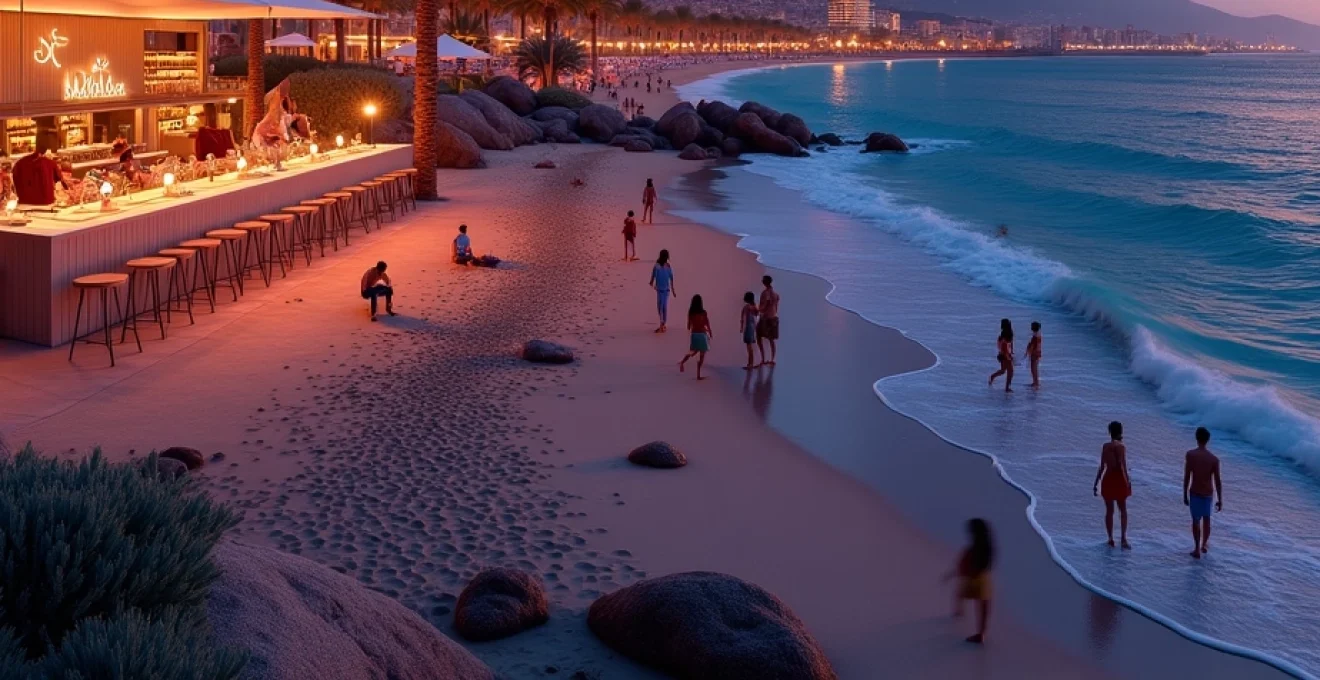
Barcelona’s coastline transforms into one of Europe’s most sophisticated entertainment destinations after dark, where Mediterranean elegance meets cutting-edge nightlife technology. The city’s beachfront nightclub scene has evolved from simple chiringuitos into architectural marvels that seamlessly blend indoor luxury with outdoor coastal ambiance. These venues represent a unique fusion of hospitality innovation, acoustic engineering, and regulatory compliance that sets Barcelona apart from other Mediterranean party destinations.
The success of Barcelona’s beach nightclub industry stems from careful venue selection, strategic programming, and adaptive operational models that respond to seasonal variations and evolving consumer preferences. Understanding the complex infrastructure behind these entertainment hubs reveals why certain venues consistently outperform competitors and maintain their position as industry leaders. From sophisticated sound systems designed to minimise noise pollution to VIP service models that maximise revenue per guest, every aspect of these operations reflects decades of refinement in coastal entertainment management.
Beachfront nightclub architecture and venue selection criteria in barcelona
The architectural design of Barcelona’s premier beach nightclubs reflects a sophisticated understanding of coastal entertainment requirements, where form must harmoniously merge with function whilst respecting strict municipal regulations. Modern beachfront venues incorporate multi-level designs that maximise guest capacity whilst maintaining intimate atmospheres, utilising materials that withstand salt air corrosion and temperature fluctuations. Structural engineering considerations include wind load calculations specific to Mediterranean coastal conditions, with retractable roof systems becoming increasingly popular for weather adaptability.
Contemporary venue designs prioritise vertical space utilisation, with rooftop terraces offering panoramic sea views that justify premium pricing structures. The most successful establishments feature modular interior layouts that can transform from casual dining spaces during daylight hours to high-energy dance floors after midnight. Glass facades with automated opacity controls allow venues to maintain visual connections with the beach whilst controlling internal climate conditions and sound transmission levels.
Waterfront access requirements and licensing regulations
Barcelona’s municipal authorities enforce stringent waterfront access regulations that significantly impact venue design and operational capacity. Establishments must maintain public beach access corridors, limiting the physical footprint available for commercial development and necessitating creative architectural solutions. The licensing framework requires venues to demonstrate minimal environmental impact whilst providing adequate emergency evacuation routes that comply with fire safety standards.
Regulatory compliance extends to waste management systems, with venues required to implement sophisticated greywater treatment facilities that prevent contamination of coastal waters. Maritime law considerations influence structural placement, as buildings must respect tidal zone boundaries and maintain specified distances from waterline measurements. The most successful venues work closely with environmental consultants during the design phase to ensure long-term operational viability.
Sound engineering considerations for coastal entertainment venues
Acoustic engineering in beachfront nightclubs presents unique challenges that require specialised solutions beyond traditional indoor venue requirements. Coastal venues must account for sound propagation across water surfaces, which amplifies low-frequency transmission and potentially creates noise pollution issues for residential areas. Advanced directional speaker arrays and sound dampening materials are strategically positioned to contain audio within designated entertainment zones whilst maintaining high-quality sound experiences for guests.
Modern installations utilise delay towers and zoned audio systems that create immersive soundscapes without exceeding municipal decibel restrictions. The integration of noise monitoring systems allows real-time adjustments to maintain compliance whilst optimising guest experience. Frequency management becomes particularly critical during outdoor events, where wind patterns and atmospheric conditions can significantly impact audio quality and reach.
Capacity management and safety protocols for beach club operations
Effective capacity management in beachfront venues requires sophisticated crowd flow analysis that accounts for both indoor and outdoor spaces with varying occupancy limits. Emergency evacuation procedures must consider unique coastal factors, including potential tide changes and limited land-based exit routes. Modern venues implement digital crowd monitoring systems that track guest density in real-time, preventing overcrowding and ensuring compliance with safety regulations.
Safety protocols extend to water-related risks, with venues required to maintain trained lifeguards during extended operating hours and provide adequate lighting for coastal pathways.
The most successful beach clubs invest heavily in comprehensive safety systems that exceed minimum regulatory requirements, viewing guest welfare as both a moral obligation and business necessity.
Advanced surveillance systems monitor both terrestrial and aquatic areas to ensure rapid emergency response capabilities.
Seasonal operational challenges and climate adaptability features
Barcelona’s seasonal climate variations demand flexible venue designs that can adapt to changing weather conditions whilst maintaining consistent service quality. Retractable enclosures and climate control systems allow venues to extend operating seasons beyond traditional summer months, maximising revenue potential and supporting year-round employment. The integration of heating and cooling infrastructure must balance energy efficiency with guest comfort requirements.
Weather-resistant technology installations protect expensive audio-visual equipment from salt spray and humidity damage, whilst backup power systems ensure uninterrupted operations during adverse conditions. Seasonal staffing models reflect the cyclical nature of beach club operations, with venues maintaining core teams year-round whilst scaling temporary positions during peak periods. The most adaptive venues develop alternative programming strategies that attract different demographic segments during off-peak months.
Port olímpic nightclub district: premium beachside entertainment hub
The Port Olímpic entertainment district represents Barcelona’s most concentrated collection of premium beachside nightclubs, where international brands compete for market dominance through sophisticated venue concepts and exclusive programming. This purpose-built marina development creates a controlled environment that maximises synergies between establishments whilst maintaining distinct brand identities. The district’s infrastructure supports high-volume operations with shared parking facilities, security coordination, and integrated transportation access.
Strategic positioning within the district influences individual venue success, with waterfront locations commanding premium rates whilst interior positions rely on unique concepts to attract guests. The concentration of high-end establishments creates a competitive environment that drives continuous innovation in service delivery, interior design, and entertainment programming. Cross-pollination effects allow guests to easily move between venues, extending average visit duration and increasing overall district revenue.
Opium barcelona: rooftop terrace design and VIP service integration
Opium Barcelona’s architectural success stems from its innovative multi-level design that maximises both capacity and revenue per square metre through strategic space allocation. The venue’s signature rooftop terrace commands panoramic Mediterranean views that justify premium table pricing, whilst the ground-level dance floor accommodates high-volume general admission guests. Interior design elements blend contemporary luxury with coastal themes, creating an atmosphere that appeals to both international tourists and discerning locals.
The VIP service model incorporates dedicated elevator access to exclusive areas, personalised concierge services, and premium beverage selections that generate significantly higher per-guest revenue. Service integration extends to coordinated arrival services, with valet parking and preferential entry systems that enhance the overall customer experience. The venue’s success demonstrates how thoughtful design and service excellence can command premium pricing in competitive markets.
Pacha barcelona: brand heritage and electronic music programming strategy
Pacha Barcelona leverages its parent brand’s international reputation to attract world-class DJ talent and maintain consistent programming quality that justifies premium pricing structures. The venue’s programming strategy focuses on electronic music genres that resonate with Barcelona’s cosmopolitan audience, balancing commercial accessibility with underground credibility. Brand consistency across global Pacha locations creates guest loyalty that transcends individual market conditions.
The electronic music programming extends beyond weekend events to include industry showcases and artist development initiatives that strengthen the venue’s position within the global dance music community. Strategic partnerships with record labels and booking agencies ensure access to emerging talent before competitors, maintaining Pacha’s reputation as a trendsetter.
The venue’s programming philosophy demonstrates that consistent quality and artistic integrity can coexist with commercial success in the competitive nightclub industry.
Shôko barcelona: Japanese-Mediterranean fusion concept and layout optimisation
Shôko Barcelona’s unique Japanese-Mediterranean fusion concept demonstrates how cultural theming can differentiate venues in crowded markets whilst creating cohesive brand experiences. The interior layout incorporates traditional Japanese design elements with Mediterranean materials, creating an atmosphere that feels both exotic and locally relevant. Spatial optimisation techniques maximise seating capacity whilst maintaining intimate dining areas that support the venue’s restaurant operations.
The concept extends to culinary offerings and beverage programmes that blend Asian flavours with local ingredients, creating distinctive menu items that cannot be replicated by competitors. Service training incorporates elements of Japanese hospitality culture, emphasising attention to detail and guest anticipation that enhances the overall experience. The venue’s success illustrates how authentic cultural integration can create lasting competitive advantages.
CDLC barcelona: luxury hospitality model and exclusive membership systems
CDLC Barcelona operates on an ultra-premium hospitality model that targets high-net-worth individuals through exclusive membership systems and personalised service offerings. The venue’s membership structure includes multiple tiers that provide varying levels of access and privileges, from priority reservations to private dining areas. Exclusivity management maintains the venue’s prestigious reputation whilst ensuring adequate revenue generation through careful member screening and pricing strategies.
The luxury hospitality approach extends to staff training programmes that emphasise discretion and personalised service delivery, creating an environment where high-profile guests feel comfortable and valued. Private event capabilities and bespoke catering options generate additional revenue streams whilst strengthening relationships with key clientele. The venue demonstrates how exclusivity and exceptional service can command premium pricing even in competitive markets.
Barceloneta beach entertainment corridor and local regulations
The Barceloneta beach entertainment corridor operates under a complex regulatory framework that balances commercial tourism interests with residential quality of life concerns and environmental protection requirements. Local authorities implement noise ordinances that become increasingly restrictive during late-night hours, requiring venues to invest in advanced sound containment technologies. Zoning restrictions limit the types of entertainment activities permitted at different distances from residential areas, influencing venue programming and capacity decisions.
The regulatory environment includes seasonal variations that restrict certain activities during peak tourist periods to prevent overcrowding and maintain public safety standards. Venues must navigate licensing requirements that cover food service, alcohol sales, live entertainment, and outdoor amplification, each with distinct compliance obligations and renewal schedules. The most successful operators maintain proactive relationships with regulatory authorities through regular communication and voluntary compliance monitoring.
Environmental regulations require venues to implement sustainable practices that minimise their impact on coastal ecosystems, from waste management protocols to energy-efficient lighting systems.
The regulatory landscape continues evolving as authorities balance economic benefits with community concerns, requiring venue operators to remain adaptable and forward-thinking in their compliance strategies.
Advanced venues work with environmental consultants to exceed minimum requirements, positioning themselves as responsible community partners.
Electronic music programming and DJ booking strategies
Electronic music programming in Barcelona’s beach nightclubs requires sophisticated understanding of genre evolution and audience preferences that vary significantly between tourist and local demographics. Successful programming strategies incorporate multiple music styles throughout individual events, transitioning from accessible house music during early evening hours to more adventurous underground selections as the night progresses. Audience journey mapping helps programmers understand how different demographics engage with venues at various times, informing both music selection and pricing strategies.
DJ booking strategies balance international headliners who attract tourists with local talent that maintains credibility within Barcelona’s electronic music community. The most effective approaches develop ongoing relationships with artists rather than one-off bookings, creating loyalty that can influence where emerging stars choose to perform as their careers develop. Advanced booking agencies utilise data analytics to predict which artists will resonate with specific venue audiences, optimising both attendance and guest satisfaction levels.
Technology integration in programming includes sophisticated audio-visual production that enhances artist performances whilst creating distinctive venue atmospheres. The investment in production values often determines whether venues can attract top-tier talent and command premium pricing for special events. Programming diversity throughout weekly schedules ensures venues appeal to different market segments whilst maximising utilisation of expensive infrastructure investments. The most successful venues develop signature events that become cultural landmarks, generating sustained audience loyalty and premium brand positioning.
VIP service models and revenue optimisation techniques
VIP service models in Barcelona’s premier beach nightclubs generate disproportionate revenue through carefully structured pricing tiers that maximise spending per guest whilst maintaining perceived value. Premium service packages typically include priority entry, dedicated seating areas, personalised bottle service, and concierge assistance that justifies significant price premiums over general admission. Revenue optimisation techniques extend to dynamic pricing algorithms that adjust table rates based on demand forecasting, seasonal patterns, and special event programming.
Advanced venues implement customer relationship management systems that track guest preferences and spending patterns, enabling personalised service delivery that encourages repeat visits and referrals. The most sophisticated operations develop membership programmes that create ongoing revenue streams whilst providing guests with enhanced experiences and exclusive access opportunities. Technology integration includes mobile applications that allow VIP guests to request services, make reservations, and receive personalised communications.
Service delivery training focuses on anticipating guest needs rather than responding to requests, creating experiences that exceed expectations and justify premium pricing. Upselling strategies are integrated naturally into service interactions, with staff trained to recognise opportunities for enhancing guest experiences through additional offerings. The most successful VIP programmes create emotional connections with guests that transcend transactional relationships, generating loyalty that withstands competitive pressures and economic fluctuations.
Seasonal operations management and Off-Peak strategy implementation
Seasonal operations management in Barcelona’s beach nightclub industry requires sophisticated staffing models that balance cost control with service quality maintenance throughout varying demand cycles. Peak season operations typically require staff levels that are three to four times higher than off-peak periods, necessitating flexible employment arrangements and comprehensive training programmes. Cross-training initiatives enable venues to redeploy staff across different departments as seasonal demands shift, maintaining service standards whilst controlling labour costs.
Off-peak strategy implementation involves alternative programming approaches that attract different demographic segments and justify continued operations during traditionally slow periods. Many venues develop corporate event capabilities, private party services, and cultural programming that generate revenue streams independent of traditional nightclub activities. The most successful operators view off-peak periods as opportunities for infrastructure maintenance, staff development, and strategic planning rather than simply enduring reduced revenue periods.
Technology investments in reservation systems and customer relationship management become particularly important during shoulder seasons when maximising existing customer value becomes critical for profitability. Marketing strategies during off-peak periods often focus on local residents and expatriate communities who provide consistent patronage independent of tourist fluctuations. Advanced venues develop loyalty programmes and membership benefits that encourage year-round engagement, creating stable revenue foundations that support seasonal peak investments.