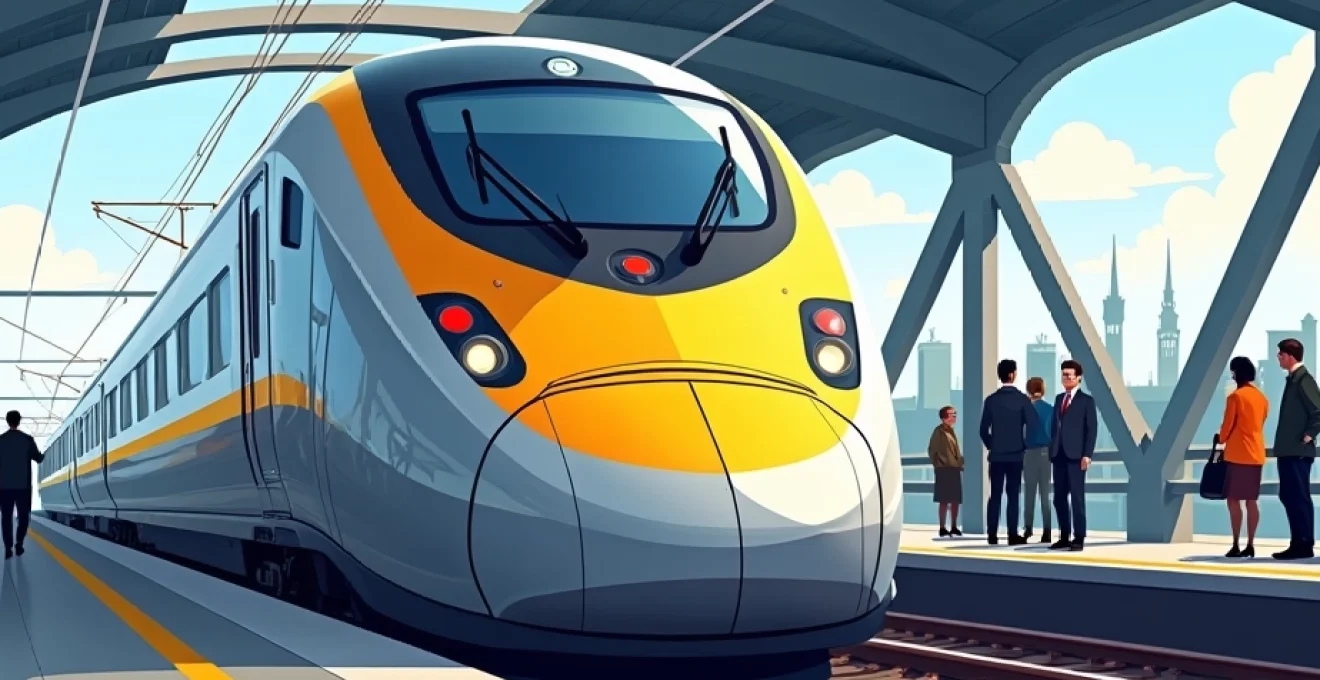
The high-speed rail connection between London and Amsterdam represents one of Europe’s most significant transportation achievements, transforming how travellers experience cross-Channel journeys. Since the launch of direct Eurostar services in 2018, this route has revolutionised travel between the UK and the Netherlands, offering a seamless alternative to air travel that combines comfort, efficiency, and environmental responsibility. The service operates through sophisticated infrastructure that includes the Channel Tunnel, advanced rolling stock, and integrated border control systems designed to facilitate smooth international travel.
Modern travellers increasingly seek sustainable transportation options that don’t compromise on convenience or time efficiency. The London to Amsterdam Eurostar service addresses these needs whilst providing an experience that rivals traditional aviation routes. With journey times of approximately 4 hours and 9 minutes for direct services, passengers can travel from central London to the heart of Amsterdam without the hassles associated with airport transfers, lengthy security procedures, or weather-related delays that frequently affect air travel.
Eurostar direct service route analysis: london st pancras to amsterdam centraal
The direct Eurostar service between London and Amsterdam operates along a carefully engineered route that spans 585 kilometres, traversing four countries and utilising some of Europe’s most advanced railway infrastructure. The journey begins at London St Pancras International, progresses through the Channel Tunnel, continues across northern France and Belgium, and concludes at Amsterdam Centraal in the heart of the Dutch capital.
High-speed rail infrastructure through channel tunnel
The Channel Tunnel represents the engineering marvel that makes this international rail service possible. Stretching 50.45 kilometres beneath the English Channel, with 37.9 kilometres actually underwater, the tunnel facilitates high-speed travel at speeds reaching 160 kilometres per hour within its confines. The tunnel’s sophisticated ventilation and safety systems ensure passenger comfort and security throughout the 35-minute underground transit.
Above ground, the route utilises High Speed 1 in Kent, connecting seamlessly with European high-speed networks. The infrastructure supports operational speeds of up to 320 kilometres per hour on continental sections, allowing Eurostar trains to maintain competitive journey times. Track geometry and signalling systems have been specifically designed to accommodate the Class 374 Velaro e320 trains that operate this service, ensuring optimal performance and reliability.
Cross-border immigration procedures at Brussels-Midi station
Immigration and customs procedures for the London-Amsterdam route involve sophisticated pre-clearance systems that streamline international travel. Passengers undergo comprehensive security screening and passport control before departure from London, eliminating the need for additional checks upon arrival in Amsterdam. This juxtaposed control system allows UK and Dutch border officials to operate within each other’s territories, creating an efficient processing system.
For return journeys from Amsterdam, passengers must complete immigration formalities at the newly constructed Eurostar terminal beneath Amsterdam Centraal station. The facility, which opened in February 2025, features enhanced processing capacity that can handle up to 650 passengers per service, compared to the original terminal’s 250-passenger limit. This expansion addresses previous capacity constraints and reduces passenger waiting times significantly.
Journey duration variations between peak and Off-Peak services
Direct services between London and Amsterdam maintain consistent journey times of 4 hours and 9 minutes, regardless of departure time. However, indirect services via Brussels offer additional flexibility, with total journey times ranging from 4 hours to 5 hours depending on connection times. Morning departures typically experience optimal track conditions and minimal delays, whilst evening services may encounter increased traffic on continental networks.
Seasonal variations affect service reliability, with winter weather conditions occasionally impacting punctuality. However, Eurostar’s operational reliability consistently exceeds 90%, comparing favourably with aviation alternatives that frequently experience weather-related disruptions. Peak travel periods , including Friday evenings and Sunday afternoons, may experience higher passenger volumes but maintain standard journey times due to dedicated high-speed infrastructure.
Rolling stock configuration on class 374 velaro e320 trains
The Class 374 Velaro e320 trains operating London-Amsterdam services feature sophisticated configurations optimised for international travel. Each 16-car trainset accommodates 894 passengers across three service classes: Standard (752 seats), Plus (118 seats), and Premier (24 seats). The trains incorporate advanced traction systems capable of operating under multiple electrical supply systems encountered across different national networks.
Interior design emphasises passenger comfort with ergonomic seating, individual power outlets, and complimentary Wi-Fi throughout. The trains feature two café-bars located in coaches 8 and 9, providing comprehensive food and beverage services. Advanced climate control systems maintain optimal conditions regardless of external weather, whilst sophisticated suspension systems ensure smooth travel at high speeds.
The integration of multiple electrical systems within a single trainset represents a significant engineering achievement, enabling seamless operation across diverse European rail networks without locomotive changes.
Booking systems and fare structure optimisation for Cross-Channel travel
Eurostar’s booking systems utilise sophisticated revenue management algorithms that mirror airline pricing strategies, creating dynamic fare structures that respond to demand patterns, booking lead times, and seasonal variations. The system monitors real-time booking data, historical travel patterns, and competitive pricing to optimise revenue whilst maintaining accessibility for different passenger segments.
Dynamic pricing algorithm impact on advance purchase discounts
The pricing algorithm evaluates multiple variables to determine optimal fare levels, including booking lead time, departure date, historical demand patterns, and available capacity. Advance purchase discounts can result in savings of up to 60% compared to last-minute bookings, with the most competitive fares typically available 3-6 months before departure. The system releases seats at various price points, with the lowest fares selling first before automatic progression to higher price tiers.
Seasonal demand significantly influences pricing, with summer months and holiday periods commanding premium rates. Business travel patterns also affect pricing, with Tuesday and Wednesday departures often offering better value than weekend services. The algorithm continuously adjusts pricing based on booking velocity, competing with airline fares and adjusting for currency fluctuations that affect international travellers.
Flexible ticket conditions versus fixed departure restrictions
Eurostar’s fare structure balances affordability with flexibility through distinct ticket categories. Standard and Plus tickets offer free exchanges up to one hour before departure, though passengers must pay any fare difference for more expensive services. This flexibility proves particularly valuable for business travellers whose schedules may change unexpectedly, providing peace of mind without significant additional cost.
Premier tickets offer maximum flexibility, allowing exchanges and refunds up to two days after travel. This enhanced flexibility justifies the premium pricing and appeals to corporate travellers who require adaptable booking conditions. Refund policies vary by fare type, with Standard and Plus tickets offering refunds minus a £25 fee up to seven days before departure, whilst Premier tickets maintain more generous refund conditions.
Business premier lounge access at st pancras international
The Eurostar Premier Lounge at St Pancras International provides an exclusive pre-departure experience for business-class passengers. The facility features comfortable seating areas, complimentary refreshments including alcoholic beverages, business centres with printing facilities, and dedicated Wi-Fi networks optimised for video conferencing and data-intensive applications.
Lounge access includes priority security screening and dedicated boarding lanes, reducing total pre-departure time requirements. The lounge’s location within the secure area ensures convenient access to departure platforms whilst providing a peaceful environment for business activities. Premium passengers can arrive closer to departure time whilst still enjoying comprehensive pre-travel services, maximising productivity and minimising travel stress.
Group booking procedures for corporate and leisure travel
Group bookings for ten or more passengers unlock special pricing and enhanced flexibility through Eurostar’s dedicated group sales team. Corporate groups benefit from consolidated billing, flexible change policies, and dedicated customer support throughout the booking and travel process. The group booking system accommodates complex itineraries, including multi-leg journeys and customised departure arrangements.
Leisure groups, including educational institutions and tour operators, access preferential rates and group coordinator benefits such as complimentary travel for group leaders. The booking system allows partial payments and extended payment terms, facilitating budget management for large group organisers. Group coordination services include dedicated check-in areas and assistance with seating arrangements to ensure group cohesion throughout the journey.
Departure protocols and security screening at london st pancras international
The departure process at London St Pancras International incorporates comprehensive security and immigration procedures designed to facilitate smooth international travel whilst maintaining robust border controls. Passengers must arrive at least 30 minutes before departure, though 60-90 minutes is recommended during peak periods to accommodate potential queues and ensure adequate time for all pre-departure procedures.
The check-in process begins with automated ticket validation at electronic gates, where passengers scan ticket barcodes or use mobile tickets displayed on smartphones. This initial validation triggers the passenger’s entry into the secure departure area and initiates the sequence of required procedures. The system accommodates various ticket formats, including printed tickets, mobile displays, and tickets loaded into the official Eurostar application.
Security screening procedures mirror airport standards but typically prove more efficient due to streamlined processes and dedicated Eurostar facilities. Passengers proceed through X-ray screening for luggage and metal detector screening for personal items, though liquid restrictions are less stringent than airport equivalents. The screening area features multiple lanes to process passengers efficiently, with additional lanes activated during peak periods to maintain acceptable waiting times.
Immigration procedures involve UK exit controls and Dutch entry clearance, conducted simultaneously within the St Pancras facility. This juxtaposed control system allows both countries’ border officials to operate within the terminal, completing all necessary formalities before departure. Passengers present passports for examination and may be questioned about travel purposes, accommodation arrangements, and return plans as part of standard border control procedures.
The integration of security screening, customs clearance, and immigration controls within a single terminal facility represents a sophisticated approach to international rail travel that eliminates traditional border crossing delays.
The departure lounge provides comprehensive facilities for passengers awaiting train boarding, including seating areas, retail outlets, food and beverage options, and business facilities. Premium passengers access the exclusive Eurostar Premier Lounge, whilst all passengers benefit from complimentary Wi-Fi, charging points, and real-time departure information. The lounge’s design facilitates efficient passenger flow towards departure platforms when boarding begins.
Transit connections and onward journey planning from amsterdam centraal
Amsterdam Centraal station serves as the Netherlands’ primary railway hub, providing extensive connectivity to domestic and international destinations throughout Europe. The station’s central location places passengers within walking distance of Amsterdam’s historic city centre, major attractions, and primary business districts, eliminating the need for additional transfers that characterise airport-based travel.
The station accommodates multiple transport modes through integrated planning that connects national rail services, regional trains, metro lines, tram networks, and bus services. This multimodal integration allows seamless onward journeys to destinations throughout the Netherlands and beyond. Real-time information systems provide comprehensive departure data, whilst multilingual signage assists international travellers navigating the complex terminal layout.
Domestic rail connections from Amsterdam Centraal provide direct access to major Dutch cities including Rotterdam, The Hague, Utrecht, and Eindhoven. High-frequency services operate throughout the day, with many routes offering departures every 15-30 minutes during peak periods. The Netherlands’ compact geography ensures that most domestic destinations are reachable within two hours, making Amsterdam Centraal an effective gateway for exploring the entire country.
International connections extend throughout Europe via high-speed and conventional rail services. Direct services operate to German cities including Berlin, Munich, and Frankfurt, whilst connections through Brussels provide access to French destinations including Paris, Lyon, and Marseille. The integrated European rail network enables complex multi-destination itineraries using Amsterdam as a strategic hub for continental travel.
Local transportation from Amsterdam Centraal utilises an extensive tram network that connects all major neighbourhoods and attractions. The GVB transport system operates 16 tram lines, 5 metro lines, and numerous bus routes that provide comprehensive coverage of the metropolitan area. Day passes and multi-day tickets offer convenient payment options for tourists planning extensive local travel, whilst contactless payment systems accommodate various international cards and mobile payment platforms.
Bicycle rental facilities adjacent to Amsterdam Centraal cater to the city’s cycling culture, providing an authentic and efficient way to explore local attractions. Multiple rental companies operate from the station area, offering standard bicycles, electric bikes, and speciality options including cargo bikes and tandem cycles. The city’s extensive cycling infrastructure ensures safe and convenient travel to most destinations within the metropolitan area.
Comparative analysis: eurostar versus alternative London-Amsterdam transport methods
Aviation remains the primary alternative to rail travel between London and Amsterdam, with multiple carriers operating frequent services between London’s airports and Amsterdam Schiphol. Flight times average 1 hour and 20 minutes, but total journey time including airport transfers, security procedures, and boarding processes typically extends to 4-5 hours, comparable to Eurostar’s city-centre to city-centre service. Environmental considerations increasingly favour rail travel, with Eurostar producing approximately 80% fewer carbon emissions per passenger compared to equivalent flights.
Cost comparisons vary significantly based on booking timing, travel dates, and service class selection. Budget airlines may offer lower headline prices, but additional fees for luggage, seat selection, and airport transfers often equalise total costs. Eurostar’s transparent pricing structure includes generous luggage allowances and seat reservations, whilst the city-centre departure and arrival points eliminate expensive airport transfer costs that can add £20-50 to aviation-based journeys.
Ferry services combined with overland travel provide a traditional alternative that appeals to travellers with vehicles or those seeking lower-cost options. The Harwich to Hook of Holland route operated by Stena Line offers overnight crossings that include accommodation, but total journey times exceed 12 hours including connecting rail services. This option suits travellers with flexible schedules and those transporting vehicles, but lacks the speed and convenience of direct rail services.
Road travel via the Channel Tunnel Le Shuttle service accommodates private vehicles and provides flexibility for exploring multiple destinations. The Calais to Amsterdam drive requires approximately 4 hours plus the 35-minute tunnel crossing, totalling around 5 hours excluding stops. However, this option involves additional costs including fuel, tolls, parking, and potential congestion delays, whilst requiring driver concentration throughout the journey rather than the relaxation possible during rail travel.
| Transport Method | Total Journey Time | Environmental Impact | Convenience Factor |
|---|---|---|---|
| Eurostar Direct | 4 hours 9 minutes | Low CO2 emissions | City centre to city centre |
| Commercial Aviation | 4-5 hours total | High CO2 emissions | Requires airport transfers |
| Ferry + Rail | 12+ hours | Moderate emissions | Overnight accommodation included |
| Private Vehicle | 5-6 hours | Variable emissions | Maximum flexibility |
Business travellers particularly benefit from Eurostar’s productive travel environment, with reliable Wi-Fi, comfortable seating, and the ability to work throughout the journey. The lack of electronic device restrictions that affect air travel allows uninterrupted productivity, whilst the smooth ride quality enables laptop use and video conferencing. Meeting rooms at both terminal stations provide additional business facilities for important calls or presentations immediately before or after travel.
Leisure travellers appreciate Eurostar’s stress-free experience that begins the holiday from the moment of departure. The scenic route through English countryside, French farmland, and Dutch polders provides visual interest throughout the journey, whilst onboard services eliminate the need for airport dining and shopping. Family travel benefits from generous luggage allowances, comfortable seating configurations, and child-friendly facilities that make international travel more enjoyable for all age groups.
The evolution of high-speed rail as a competitive alternative to aviation demonstrates how infrastructure investment can transform travel patterns and provide sustainable solutions for international mobility.
Weather reliability strongly favours rail travel over aviation, with Eurostar maintaining consistent service levels during conditions that frequently disrupt air travel. Fog, storms, and snow affect aviation more severely than rail operations, providing passengers with greater confidence in schedule reliability. This operational resilience proves particularly valuable during winter months and unpredictable weather periods that characterise Northern European climates.