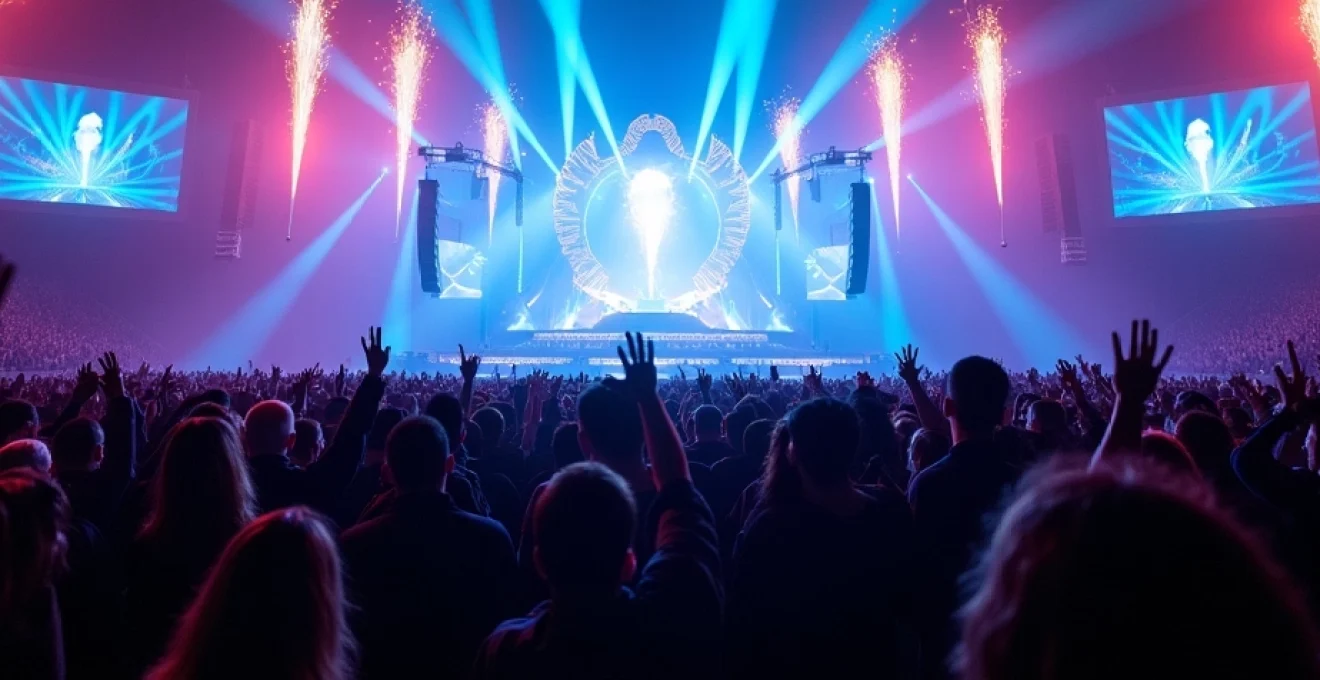
Europe’s concert landscape in 2025 promises to be one of the most spectacular years in recent memory, with legendary artists, cutting-edge production technologies, and innovative venue configurations transforming the live music experience across the continent. From intimate arena settings to massive stadium spectacles, the European touring circuit is experiencing unprecedented growth, driven by advanced sound engineering, sustainable production practices, and sophisticated audience engagement strategies.
The convergence of international touring regulations, post-Brexit logistics adjustments, and evolving audience expectations has created a dynamic environment where artists and promoters must navigate complex operational challenges while delivering world-class entertainment experiences. This transformation reflects not only the resilience of the European music industry but also its capacity for innovation in venue management, production design, and cross-border collaboration.
Stadium tour productions and Multi-Arena concert series across european markets
Stadium touring in Europe has evolved into a sophisticated blend of architectural engineering and artistic vision, where massive venues become canvases for immersive entertainment experiences. The logistical complexity of mounting productions in venues ranging from 50,000 to 100,000 capacity requires unprecedented coordination between technical crews, local authorities, and international touring companies. Modern stadium productions now incorporate advanced weather contingency planning, real-time crowd management systems, and integrated social media broadcasting capabilities that transform live events into global digital experiences.
Multi-arena concert series have become increasingly popular among artists seeking to balance intimacy with commercial viability, allowing performers to connect with audiences across multiple cities while maintaining production consistency. These touring formats require sophisticated logistics coordination, including equipment transportation, crew scheduling, and venue-specific technical adaptations. The financial implications of these tours extend beyond ticket sales, encompassing merchandising opportunities, local economic impact, and long-term brand development for both artists and venues.
Taylor swift’s eras tour european leg: wembley, paris la défense arena, and gelsenkirchen venues
Taylor Swift’s European tour dates represent a masterclass in large-scale event production, with each venue requiring unique technical adaptations to accommodate her elaborate stage design and interactive fan experiences. Wembley Stadium’s historic significance and 90,000 capacity demand sophisticated crowd management protocols, while the venue’s acoustic properties require specialized sound engineering to ensure optimal audio quality throughout the expansive space. The production team’s approach to weather contingency planning includes advanced meteorological monitoring and flexible staging configurations that can adapt to changing conditions.
Paris La Défense Arena presents distinct challenges due to its modern architectural design and integrated technology systems, requiring coordination with venue-specific equipment and local technical standards. The venue’s retractable roof and climate control capabilities offer unique opportunities for enhanced production values, while its location within the La Défense business district necessitates careful coordination with local transportation and security authorities. Gelsenkirchen’s Veltins-Arena adds another layer of complexity with its convertible configuration between football and concert formats, requiring extensive setup and breakdown procedures that showcase the venue’s versatility.
Coldplay’s music of the spheres world tour: sustainable production at allianz arena and san siro
Coldplay’s commitment to environmental sustainability has revolutionized stadium tour production, introducing renewable energy systems, carbon offset programs, and waste reduction initiatives that set new industry standards. The band’s partnership with venues like Munich’s Allianz Arena demonstrates how modern stadiums can integrate sustainable technologies while maintaining world-class production values. Solar panel installations, kinetic energy capture from audience movement, and biodegradable staging materials represent just a fraction of the innovative approaches being implemented across their European tour dates.
San Siro’s historic significance and architectural constraints require creative solutions for sustainable production implementation, including temporary infrastructure for renewable energy generation and specialized waste management systems. The venue’s proximity to Milan’s urban center creates opportunities for public transportation partnerships and local community engagement initiatives that extend the tour’s environmental impact beyond the concert itself. These sustainability initiatives have demonstrated that environmental responsibility and spectacular entertainment experiences are not mutually exclusive, encouraging other artists to adopt similar approaches.
Ed sheeran’s mathematics tour extension: intimate arena configurations in manchester and amsterdam
Ed Sheeran’s approach to arena configuration emphasizes intimacy and acoustic excellence, utilizing innovative staging designs that bring the artist closer to audiences while maintaining optimal sightlines throughout venues of varying sizes. Manchester’s AO Arena benefits from Sheeran’s signature in-the-round staging approach, which transforms the traditional concert experience into a more intimate gathering despite the venue’s 21,000 capacity. The acoustic engineering required for this configuration involves sophisticated sound delay systems and strategically positioned speaker arrays that ensure consistent audio quality from every seat.
Amsterdam’s Ziggo Dome presents unique opportunities for creative staging configurations due to its modern design and flexible infrastructure, allowing for innovative lighting designs and interactive visual elements that complement Sheeran’s minimalist performance style. The venue’s advanced projection mapping capabilities enable immersive visual experiences that enhance the musical performance without overwhelming the intimate atmosphere Sheeran strives to create. These configuration innovations have influenced arena design standards and encouraged other venues to invest in flexible staging systems that can accommodate diverse artistic visions.
Rammstein’s stadium spectacular: pyrotechnics regulations and venue compliance across germany
Rammstein’s legendary pyrotechnic displays require extensive coordination with local fire departments, safety authorities, and venue management teams to ensure compliance with increasingly stringent safety regulations across European markets. German stadiums have developed specialized protocols for handling the band’s elaborate fire effects, including advanced ventilation systems, emergency response procedures, and specialized insurance requirements that reflect the unique risks associated with large-scale pyrotechnic productions. The technical complexity of these shows demands months of advance planning and coordination between international touring crews and local technical specialists.
The integration of safety technology with artistic vision has transformed pyrotechnic stadium productions into precisely choreographed spectacles that push the boundaries of live entertainment while maintaining the highest safety standards.
Electronic dance music festival circuit and superclub residencies
Europe’s electronic dance music scene continues to evolve through innovative festival formats and cutting-edge production technologies that create immersive experiences transcending traditional concert boundaries. The festival circuit has expanded beyond summer outdoor events to include year-round indoor productions, alpine resort collaborations, and multi-city touring formats that bring world-class electronic music experiences to diverse audiences across the continent. Advanced sound system technologies, interactive visual installations, and social media integration have transformed electronic music events into multimedia experiences that extend far beyond the physical venue boundaries.
Superclub residencies represent a growing segment of the electronic music market, offering artists opportunities to develop deeper connections with audiences while venues benefit from consistent programming and reduced booking complexity. These residencies often feature state-of-the-art sound systems, custom lighting installations, and interactive technologies that create unique experiences tailored to specific venues and audiences. The economic impact of successful residencies extends throughout local hospitality industries, creating sustainable revenue streams that support both artists and venue operators.
Ultra music festival europe: resistance island productions at split’s poljud stadium
Ultra Music Festival’s European expansion into Split’s historic Poljud Stadium represents a sophisticated fusion of cutting-edge electronic music production with Croatia’s stunning coastal landscape and rich cultural heritage. The venue’s unique position overlooking the Adriatic Sea creates natural amphitheater acoustics that enhance the festival’s signature sound design, while the surrounding historic architecture provides a dramatic backdrop for elaborate stage productions. Resistance Island’s underground techno programming specifically targets experienced electronic music enthusiasts, featuring extended sets from world-renowned DJs and innovative production elements that push the boundaries of festival experiences.
The logistical challenges of producing a major festival in Split include coordination with local tourism authorities, environmental protection agencies, and international shipping companies responsible for transporting massive sound systems and staging equipment. The festival’s economic impact on the local community extends well beyond ticket sales, encompassing hotel bookings, restaurant revenue, and long-term tourism promotion that positions Split as a premier destination for electronic music events. Weather contingency planning for coastal venues requires sophisticated monitoring systems and flexible infrastructure that can adapt to changing maritime conditions.
Tomorrowland winter and summer extensions: boom belgium and alpine resort collaborations
Tomorrowland’s expansion into year-round programming through alpine resort collaborations demonstrates the festival’s commitment to creating immersive experiences that transcend traditional seasonal limitations. The winter edition’s partnership with exclusive ski resorts creates unique opportunities for intimate performances in stunning mountain settings, while maintaining the elaborate production values and attention to detail that define the Tomorrowland brand. These alpine collaborations require specialized equipment capable of operating in extreme weather conditions, along with logistics coordination that accounts for mountainous terrain and limited transportation infrastructure.
The summer flagship event in Boom continues to set global standards for festival production, featuring elaborate themed stages, interactive installations, and integrated accommodation options that create a complete lifestyle experience for attendees. The festival’s commitment to sustainability includes comprehensive recycling programs, renewable energy initiatives, and local community partnerships that ensure positive long-term impact. The economic significance of Tomorrowland extends throughout Belgium’s tourism industry, generating millions in revenue while positioning the country as a premier destination for electronic music culture.
Awakenings festival techno lineups: gashouder amsterdam and industrial venue programming
Awakenings Festival’s utilization of Amsterdam’s Gashouder venue exemplifies how industrial spaces can be transformed into world-class electronic music destinations through innovative programming and sophisticated production design. The venue’s unique architecture, featuring massive gas storage tanks converted into performance spaces, creates distinctive acoustic properties that enhance the underground techno experience while providing visually striking backdrops for elaborate lighting installations. The festival’s commitment to authentic techno culture attracts international audiences seeking genuine underground experiences in one of Europe’s most culturally diverse cities.
Industrial venue programming requires specialized technical expertise to address acoustic challenges, safety considerations, and infrastructure limitations inherent in converted spaces. The Gashouder’s concrete surfaces and unusual geometry demand custom sound system configurations and strategic acoustic treatment to achieve optimal audio quality throughout the venue. These technical innovations have influenced industrial venue conversions across Europe, encouraging developers to consider the potential of unconventional spaces for electronic music events.
Creamfields steel yard london: Multi-Stage electronic music production infrastructure
Creamfields’ London expansion into the Steel Yard venue represents a significant investment in multi-stage electronic music infrastructure designed to accommodate diverse sub-genres and audience preferences within a single location. The venue’s industrial heritage provides an authentic backdrop for electronic music culture, while modern production capabilities ensure world-class sound quality and visual experiences across multiple simultaneous performances. Advanced crowd flow management systems enable seamless movement between stages while maintaining optimal capacity distribution and safety protocols throughout the event.
The technical complexity of operating multiple high-powered sound systems in proximity requires sophisticated acoustic isolation techniques and frequency coordination to prevent interference between stages. These production innovations have established new standards for multi-stage festival design, influencing venue development and event programming across the electronic music industry. The venue’s location within London’s expanding cultural quarter creates opportunities for partnerships with local businesses and cultural institutions that extend the festival’s impact beyond the immediate event dates.
Classical music and opera house programming across european cultural capitals
Europe’s classical music institutions continue to evolve through innovative programming strategies that balance traditional repertoire with contemporary compositions, international collaborations, and multimedia presentations designed to attract diverse audiences. Major opera houses and concert halls are investing heavily in advanced acoustic technologies, flexible staging systems, and digital streaming capabilities that expand their reach beyond traditional classical music audiences. These technological investments enable institutions to present hybrid performances that combine live and digital elements, creating new revenue streams while preserving the authentic concert experience.
The financial sustainability of classical music institutions increasingly depends on creative programming that includes cross-genre collaborations, educational initiatives, and corporate partnership programs that generate revenue while fulfilling cultural mission objectives. Many venues are exploring innovative subscription models, dynamic pricing strategies, and exclusive member experiences that enhance audience loyalty while optimizing revenue generation. The integration of historical preservation requirements with modern technical capabilities presents ongoing challenges that require careful balance between authenticity and innovation.
International touring for classical music ensembles involves complex logistics coordination, including instrument transportation, customs documentation, and venue-specific technical requirements that vary significantly across European markets. The cultural significance of classical music programming extends beyond entertainment value, encompassing educational outreach, cultural diplomacy, and preservation of musical heritage that contributes to European cultural identity. Collaborative programming between institutions creates opportunities for shared resources, artistic exchange, and audience development that strengthen the classical music ecosystem across national boundaries.
Rock and metal festival seasons: download, hellfest, and graspop circuit programming
Europe’s rock and metal festival circuit represents one of the continent’s most economically significant music tourism sectors, attracting hundreds of thousands of international visitors annually while supporting extensive networks of suppliers, vendors, and service providers. The programming strategies employed by major festivals like Download, Hellfest, and Graspop demonstrate sophisticated understanding of genre diversity, audience demographics, and commercial viability that ensures sustainable operations while maintaining artistic integrity. These festivals serve as crucial platforms for emerging artists while providing established acts with opportunities to connect with dedicated fan communities across multiple countries.
The logistical complexity of rock and metal festivals requires specialized expertise in stage construction, sound reinforcement, and safety management that accounts for the unique characteristics of heavy music performances and enthusiastic audience participation. Advanced crowd management systems, medical facilities, and security protocols ensure safe environments for high-energy performances that often feature elaborate staging, pyrotechnics, and interactive audience experiences. The seasonal nature of these festivals creates concentrated economic impact periods that significantly benefit local communities while establishing long-term cultural associations between regions and specific music genres.
The evolution of European rock and metal festivals reflects broader changes in music consumption patterns, with successful events adapting programming strategies to include diverse sub-genres while maintaining core identity elements that attract loyal audiences year after year.
Weather contingency planning for outdoor rock and metal festivals involves sophisticated monitoring systems, flexible infrastructure design, and comprehensive insurance policies that protect against financial losses while ensuring attendee safety during adverse conditions. The integration of sustainable practices within traditionally resource-intensive production formats demonstrates the industry’s commitment to environmental responsibility without compromising the spectacular experiences audiences expect. Merchandise strategies, food service partnerships, and accommodation coordination create comprehensive festival ecosystems that extend economic benefits throughout surrounding regions while enhancing overall attendee experiences.
Venue capacity management and dynamic pricing strategies for european concert markets
Modern venue capacity management incorporates advanced analytics, real-time demand monitoring, and sophisticated pricing algorithms that optimize revenue generation while ensuring accessibility for diverse audience segments. European concert venues are increasingly utilizing dynamic pricing strategies that adjust ticket costs based on demand patterns, seating locations, and performance dates, creating pricing structures that reflect market conditions while maintaining fairness and transparency. These pricing innovations require careful balance between revenue optimization and audience development, particularly in markets with diverse economic conditions and varying consumer expectations.
The implementation of capacity management systems involves integration of ticketing platforms, venue management software, and customer relationship management tools that provide comprehensive data analysis capabilities for informed decision-making. Advanced booking analytics enable venues to predict demand patterns, optimize seating configurations, and develop targeted marketing strategies that maximize attendance while enhancing customer satisfaction. The complexity of European markets, with varying tax structures, currency considerations, and local regulations, requires flexible pricing systems capable of adapting to diverse operational requirements.
Revenue management strategies for concert venues increasingly incorporate ancillary income streams, including premium seating experiences, VIP packages, merchandise partnerships, and hospitality services that enhance overall profitability while providing enhanced experiences for willing customers. The development of tiered pricing structures allows venues to accommodate various budget levels while maintaining premium options that generate higher per-customer revenue. Customer data analysis enables personalized marketing approaches and loyalty program development that encourage repeat attendance and long-term relationship building with venue patrons.
Technology integration in venue operations includes mobile ticketing systems, contactless payment options, and real-time capacity monitoring that improve operational efficiency while enhancing customer convenience and safety. The adoption of blockchain technology for ticket authentication and resale prevention demonstrates the industry’s commitment to protecting both artists and consumers from fraudulent activities. Dynamic seating arrangements and flexible venue configurations enable optimization of space utilization for different types of performances while maintaining optimal sightlines and acoustic quality throughout varying capacity scenarios.
Cross-border touring logistics and Post-Brexit visa requirements for international artists
Post-Brexit regulatory changes have fundamentally altered touring logistics for international artists performing in European markets, creating new documentation requirements, customs procedures, and visa application processes that significantly impact tour planning and operational costs. The complexity of navigating multiple jurisdiction requirements across European Union member states, combined with new United Kingdom regulations, demands sophisticated logistical coordination and legal expertise that extends tour preparation timelines while increasing administrative overhead. These regulatory changes disproportionately affect smaller artists and emerging acts who lack the resources to navigate complex international requirements independently.
Equipment transportation across European borders now involves enhanced customs documentation, temporary importation procedures, and specialized insurance requirements that protect against delays and additional costs associated with international shipping. The coordination of crew movements requires careful attention to work permit requirements, visa application timelines, and documentation standards that vary significantly between countries and performer categories. Tour managers must now incorporate buffer time for customs clearance, document verification, and potential border delays that can significantly impact tight touring schedules.
The financial implications of enhanced cross-border requirements include increased legal fees, expedited processing costs, and potential tour insurance modifications that protect against cancellations caused by documentation issues or border delays. Many touring companies are investing in specialized logistics software and dedicated compliance personnel who
maintain comprehensive knowledge of evolving regulations while coordinating with specialized legal services that ensure compliance across multiple jurisdictions. The emergence of touring consortiums and industry collaboration initiatives demonstrates how the music industry is adapting to increased regulatory complexity through shared resources and collective expertise.
The transformation of European touring logistics post-Brexit has created opportunities for specialized service providers while challenging traditional tour routing strategies that previously relied on seamless movement across EU borders.
Digital documentation systems and electronic visa applications have streamlined certain aspects of the application process, though technical requirements and processing timelines remain significant considerations for tour planning. The development of industry-specific visa categories and expedited processing programs in some countries reflects governmental recognition of the cultural and economic importance of international touring. Collaborative relationships between venues, promoters, and government agencies are becoming increasingly important for navigating complex regulatory environments while maintaining viable touring schedules that serve both artists and audiences across European markets.
Insurance considerations for international touring have expanded to cover regulatory compliance issues, document-related delays, and potential cancellations caused by administrative challenges beyond traditional force majeure events. The integration of compliance management into tour budgeting requires sophisticated financial planning that accounts for variable costs across different countries and performance types. Technology solutions including blockchain-based credential verification and automated compliance monitoring systems are emerging as tools to reduce administrative burden while ensuring regulatory adherence across complex multi-country touring circuits.
The long-term implications of enhanced border requirements include potential shifts in touring patterns, with artists potentially favoring longer residencies in fewer locations over extensive multi-city tours that require frequent border crossings. Educational initiatives and industry training programs are developing to help smaller touring operations understand and navigate new regulatory requirements, ensuring that regulatory complexity doesn’t create insurmountable barriers for emerging artists seeking to develop international audiences. The evolution of touring logistics continues to adapt as both government agencies and industry stakeholders refine processes to balance security requirements with cultural exchange and economic opportunity in European music markets.