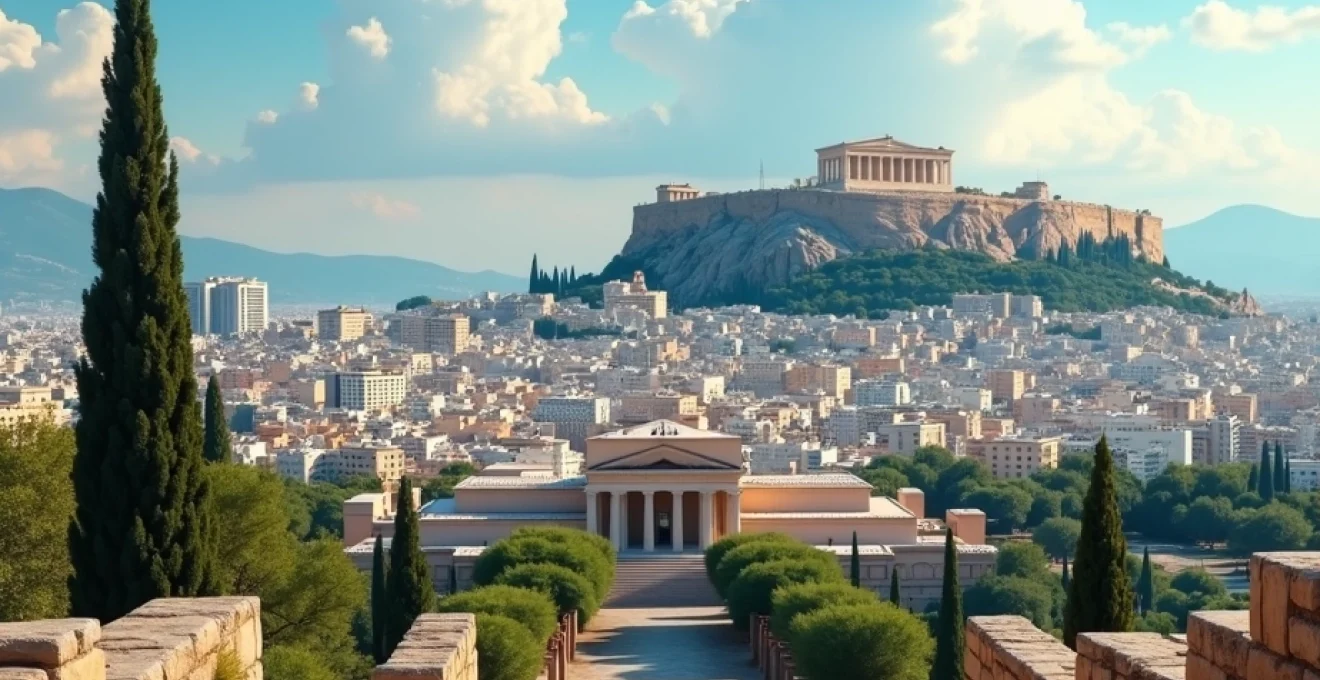
Athens stands as one of Europe’s most historically significant destinations, seamlessly blending ancient archaeological wonders with contemporary urban sophistication. This captivating Greek capital offers travellers an extraordinary journey through 5,000 years of civilisation, from the iconic Parthenon crowning the Acropolis to the vibrant neighbourhoods pulsing with modern energy. The city’s remarkable transformation in recent years has elevated its status beyond a mere stopover for Greek island adventures, establishing Athens as a compelling destination worthy of extended exploration. With its burgeoning culinary scene, revitalised districts, and world-class museums, Athens presents an unmissable opportunity to experience the birthplace of democracy and philosophy whilst enjoying the amenities of a thoroughly modern European metropolis.
Pre-departure planning and essential documentation for athens travel
Visa requirements and schengen zone entry protocols
Athens operates within the Schengen Area framework, making entry procedures straightforward for most international visitors. Citizens from the United Kingdom, United States, Canada, Australia, and New Zealand can enter Greece visa-free for tourist stays up to 90 days within any 180-day period. Your passport must maintain validity for at least three months beyond your intended departure date from the Schengen Area.
Post-Brexit considerations require UK travellers to ensure their passports were issued within the previous ten years and remain valid for the requisite three-month period. Digital nomads and remote workers should investigate Greece’s new digital nomad visa programme, which permits stays exceeding the standard 90-day tourist allowance for qualifying applicants with sufficient income documentation.
Optimal travel seasons and weather pattern analysis
Athens experiences a Mediterranean climate characterised by hot, dry summers and mild winters, though timing your visit strategically can significantly enhance your experience. The shoulder seasons of April through early June and September through October offer the most favourable conditions, combining pleasant temperatures with reduced tourist crowds and competitive accommodation rates.
Summer temperatures frequently exceed 35°C (95°F), with July and August proving particularly challenging for extensive sightseeing. However, summer visitors benefit from extended daylight hours and the vibrant atmosphere of outdoor festivals and events. Winter temperatures rarely drop below 10°C (50°F), making Athens an excellent year-round destination for those seeking cultural immersion without extreme weather concerns. Spring visitors witness the city adorned with blooming bougainvillaea and jasmine, creating particularly photogenic conditions for exploration.
Currency exchange strategies and ATM network accessibility
Greece utilises the Euro as its official currency, with widespread acceptance of major credit cards throughout Athens. ATMs are ubiquitous across the city centre, though it’s advisable to carry some cash for smaller establishments, traditional tavernas, and transportation needs. Exchange rates at banks typically offer better value than airport currency exchange services or tourist-focused bureaux de change.
Contactless payments have gained significant traction in Athens, particularly following the pandemic, with most merchants accepting card payments for purchases as small as €5. Tipping culture in Athens is relatively modest, with rounding up to the nearest euro or leaving 5-10% at restaurants being considered appropriate.
Travel insurance coverage for EU destinations
Comprehensive travel insurance remains essential for Athens visitors, covering potential medical emergencies, trip cancellations, and personal property protection. European Health Insurance Card (EHIC) holders or those with the new Global Health Insurance Card (GHIC) can access basic healthcare services, though private insurance ensures broader coverage and peace of mind.
Given Athens’ status as a major European capital with excellent medical facilities, healthcare quality is generally high, though private insurance eliminates potential language barriers and ensures prompt attention. Adventure travellers planning activities such as hiking Mount Parnitha or exploring coastal areas should verify their insurance covers outdoor pursuits and potential evacuation scenarios.
Transportation infrastructure and airport transfer options
Athens international airport eleftherios venizelos navigation
Athens International Airport serves as Greece’s primary aviation hub, located approximately 40 kilometres southeast of the city centre. The airport’s modern facilities include comprehensive shopping and dining options, making it comfortable for both arrivals and departures. Terminal navigation is straightforward, with clear multilingual signage and helpful staff available for assistance.
The airport’s proximity to the city centre, combined with multiple transportation options, ensures convenient access regardless of your chosen travel method. Free WiFi throughout the terminal allows immediate communication and transportation bookings upon arrival. Early morning ferry connections to Greek islands may require overnight accommodation at the nearby Sofitel Athens Airport, which offers seamless transfers and eliminates transportation stress.
Metro line 3 blue line airport express service
The Metro Line 3 Blue Line provides the most economical airport transfer option, connecting directly to central Athens stations including Syntagma Square and Monastiraki. Journey time averages 45 minutes to the city centre, with trains operating every 30 minutes throughout most of the day. Single tickets cost €9, whilst return tickets offer modest savings at €16.
Metro services commence at approximately 5:30 AM and continue until midnight, making this option suitable for most flight schedules. The metro system integrates seamlessly with Athens’ broader public transportation network, allowing immediate connections to trams, buses, and additional metro lines for reaching specific neighbourhoods.
X95 airport bus route to syntagma square
The X95 express bus service operates 24 hours daily, providing continuous airport connectivity regardless of arrival times. This service terminates at Syntagma Square, Athens’ central hub, with journey times averaging 60-90 minutes depending on traffic conditions. Tickets cost €5.50 and can be purchased from automated machines or the bus driver.
The X95 route proves particularly valuable for late-night or early-morning arrivals when metro services are unavailable. Buses feature air conditioning and luggage compartments, ensuring comfortable transportation for travellers with substantial baggage. Budget-conscious travellers often prefer this option over taxis whilst maintaining direct city centre access.
Taxi fare structures and Ride-Sharing applications
Licensed taxis from Athens Airport operate on fixed-rate pricing to central destinations, with fares typically ranging from €45-55 depending on traffic conditions and specific destinations. The journey time averages 45-60 minutes under normal traffic conditions, though rush hour periods can extend travel times significantly.
Traditional ride-sharing services like Uber operate differently in Athens, essentially functioning as taxi-booking platforms rather than independent drivers. The FreeNow application provides the most reliable ride-hailing service, allowing fare estimates and cashless payments. Late-night arrivals may encounter premium pricing during peak demand periods, making advance research of transportation options particularly valuable.
Archaeological site circuit and ancient monument access
Acropolis hill complex and parthenon temple exploration
The Acropolis represents Athens’ crown jewel, housing the magnificent Parthenon alongside several other ancient temples and structures. This UNESCO World Heritage Site demands early morning visits to avoid crushing crowds and intense midday heat, particularly during summer months. The site opens at 8:00 AM throughout most seasons, with extended hours during peak tourist periods.
Advance ticket reservations through the official Ministry of Culture website eliminate queuing frustrations and guarantee entry during preferred time slots. The standard Acropolis ticket costs €30 (high season) or €15 (low season), though the combined archaeological sites ticket provides exceptional value at €30 for access to multiple ancient locations. The climb to the Acropolis summit requires sturdy footwear due to ancient marble surfaces that can become slippery, particularly after rain.
The Parthenon stands as one of humanity’s greatest architectural achievements, representing the pinnacle of classical Greek design and craftsmanship that continues to inspire architects and visitors nearly 2,500 years after its construction.
Photography enthusiasts should note that optimal lighting conditions occur during the golden hour periods of early morning and late afternoon, when the Pentelic marble exhibits its characteristic warm glow. The Acropolis offers panoramic views across modern Athens, providing striking contrasts between ancient heritage and contemporary urban development.
Ancient agora archaeological site and stoa of attalos
The Ancient Agora served as the commercial, political, and social heart of ancient Athens, where democracy took its earliest forms and philosophers like Socrates engaged in public discourse. Today’s archaeological site encompasses the remarkably preserved Temple of Hephaestus, considered one of Greece’s best-maintained ancient temples, alongside the reconstructed Stoa of Attalos, which houses an excellent museum.
The site’s relatively flat terrain makes it accessible for visitors with mobility concerns, contrasting with the challenging Acropolis climb. Shaded areas beneath olive trees and pine groves provide respite during warm weather, whilst informational plaques offer historical context in multiple languages. The included museum within the Stoa of Attalos displays artefacts discovered during excavations, including ancient voting tokens that tangibly connect visitors to democracy’s origins.
Rick Steves’ free audio guide provides exceptional commentary for self-guided exploration, bringing ancient Athens to life through detailed historical narratives. Budget travellers can appreciate significant portions of the Agora from surrounding elevated positions without purchasing entry tickets, though the full experience merits the modest admission fee.
Temple of olympian zeus and hadrian’s arch district
The Temple of Olympian Zeus showcases ancient ambition on an unprecedented scale, requiring nearly 700 years to complete from its 6th-century BCE inception to Emperor Hadrian’s 2nd-century CE finishing touches. Today’s surviving columns provide mere glimpses of the temple’s original grandeur, which once housed colossal statues of Zeus and Hadrian himself.
Adjacent Hadrian’s Arch marks the boundary between classical Athens and Hadrian’s Roman additions, featuring inscriptions celebrating both Theseus and the Roman emperor. The monument’s strategic location near the National Gardens makes it ideal for combining with leisurely walks through Athens’ green spaces. Architecture students find particular value in studying the Corinthian column capitals, which represent some of the finest examples of this ornate classical order.
The site’s proximity to the Panathenaic Stadium, venue for the first modern Olympics in 1896, creates opportunities for combined visits celebrating both ancient and modern athletic traditions. Photography from the nearby Zappeion Hall steps provides excellent perspectives encompassing both the temple ruins and urban Athens backdrop.
National archaeological museum artefact collections
The National Archaeological Museum houses one of the world’s most comprehensive collections of ancient Greek artefacts, spanning from prehistoric times through the Roman period. Highlights include the gold Mask of Agamemnon, exquisite Cycladic figurines, and the extraordinary Antikythera Mechanism, often described as humanity’s first computer.
The museum’s systematic organisation by chronological periods and geographical regions facilitates understanding of Greek civilisation’s evolution across millennia. Audio guides provide expert commentary on major pieces, whilst temporary exhibitions frequently showcase recent archaeological discoveries. History enthusiasts should allocate minimum half-day visits to appreciate the collection’s breadth adequately.
The museum’s location in Exarchia places visitors within walking distance of this alternative neighbourhood’s eclectic cafés, bookshops, and street art. Evening visits during extended summer hours offer more comfortable touring conditions and reduced crowds, particularly beneficial for detailed examination of intricate artefacts.
Acropolis museum contemporary exhibition spaces
The Acropolis Museum’s striking contemporary architecture by Bernard Tschumi creates dialogue between ancient artefacts and modern design sensibilities. The museum’s glass floors reveal ongoing archaeological excavations beneath the building, whilst the top-floor Parthenon Gallery recreates the temple’s original layout with surviving sculptures and plaster casts of disputed pieces.
Interactive displays and multimedia presentations make ancient Greek culture accessible to visitors of all ages and background knowledge levels. The museum restaurant offers exceptional Acropolis views, making it popular for post-museum refreshments despite premium pricing. Cultural travellers appreciate the museum’s role in contextualising Acropolis monuments through detailed explanations of their original appearances and functions.
The museum’s strategic location beneath the Acropolis creates natural visiting sequences, whether ascending to the ancient site before museum exploration or reversing this order based on opening times and crowd patterns. Climate-controlled galleries provide comfortable respite from Athens’ intense summer heat whilst maintaining optimal viewing conditions for precious artefacts.
Neighbourhood districts and urban area navigation
Plaka historic quarter and neoclassical architecture
Plaka represents Athens’ most picturesque neighbourhood, characterised by narrow cobblestone streets, neoclassical mansions, and traditional architecture that survived the city’s rapid 20th-century expansion. This pedestrian-friendly area directly beneath the Acropolis offers exceptional opportunities for leisurely exploration, shopping for traditional crafts, and dining in atmospheric tavernas.
The neighbourhood’s blend of residential life and tourist infrastructure creates authentic Greek urban experiences whilst providing necessary amenities for international visitors. Traditional workshops selling leather goods, jewellery, and ceramics operate alongside modern boutiques and galleries. Architecture enthusiasts find particular satisfaction in Plaka’s preserved 19th-century buildings, many featuring distinctive elements like ornate balconies and traditional shutters.
Plaka’s central location makes it ideal for accommodation, providing walking access to major archaeological sites whilst maintaining relatively quieter evening atmospheres compared to busier districts. The area’s numerous small squares and pocket parks offer respite from urban intensity, often featuring outdoor cafés where locals and visitors intermingle naturally.
Monastiraki flea market and antique trading hub
Monastiraki combines ancient history with vibrant commercial activity, centring around its famous flea market and the namesake Byzantine church. Sunday mornings witness the neighbourhood’s transformation into a sprawling antique market where vendors display everything from vintage postcards to traditional Greek musical instruments. The permanent shops surrounding Monastiraki Square maintain daily operations, offering souvenirs, clothing, and local handicrafts.
The area’s strategic location adjacent to both the Ancient Agora and Roman Agora makes it a natural stopping point during archaeological explorations. Rooftop bars and restaurants capitalise on exceptional Acropolis views, though prices reflect these premium locations. Bargain hunters should explore the side streets radiating from the main square, where smaller shops often offer more competitive pricing and unique items.
Monastiraki’s excellent metro connectivity facilitates easy access from any Athens location, whilst its compact layout encourages exploration on foot. The neighbourhood’s diverse dining scene ranges from traditional Greek tavernas to international cuisines, reflecting Athens’ increasingly cosmopolitan character.
Psyrri arts district and contemporary gallery scene
Psyrri has emerged as Athens’ creative epicentre, transformed from a formerly neglected area into a vibrant arts district attracting both local artists and international visitors. Street art adorns building walls throughout the neighbourhood, creating an open-air gallery that evolves continuously. Independent galleries, artist studios, and creative spaces occupy converted warehouses and traditional buildings.
The district’s nightlife scene rivals any European capital, with innovative cocktail bars, live music venues, and late-night eateries creating energetic atmospheres that extend well into early morning hours. Traditional Greek tavernas operate alongside experimental restaurants, offering diverse culinary experiences within compact geographical boundaries. Creative professionals often gravitate towards Psyrri’s co-working spaces and networking opportunities within the artistic community.
Psyrri exemplifies Athens’ successful urban regeneration, demonstrating how creative industries and cultural investments can revitalise neighbourhoods whilst preserving their authentic character and community spirit.
Daytime exploration reveals the neighbourhood’s gentler character, with speciality coffee shops, vintage boutiques, and artisan workshops creating appeals beyond nightlife attractions. The area’s ongoing gentrification raises typical urban concerns about affordability and displacement, though current visitor experiences remain authentic and accessible.
Kolonaki upmarket shopping and embassy quarter
Kolonaki represents Athens’ most upscale neighbourhood, housing luxury boutiques, embassy buildings, and sophisticated restaurants that cater to the city’s affluent residents and discerning visitors. The area’s tree-lined streets and elegant neoclassical architecture create distinctly European ambiences reminiscent of Paris or Milan’s premium districts.
Mount Lycabettus’ proximity provides hiking opportunities and panoramic city views accessible via funicular railway or challenging foot paths. The neighbourhood’s high-end shopping focuses on international luxury brands and Greek designer creations, whilst art galleries showcase contemporary works by established and emerging artists. Luxury travellers find Kolonaki’s boutique hotels and exclusive restaurants align with elevated expectations and sophisticated tastes.
The district’s café culture reflects refined European traditions,
with sophisticated international establishments and local institutions that have served Athenian society for decades. The neighbourhood’s elevated position on the slopes of Mount Lycabettus creates natural terraces that many restaurants exploit for outdoor dining with spectacular views across the city centre towards the Acropolis.
Evening promenades along Kolonaki’s main thoroughfares reveal Athens’ cosmopolitan character, where well-dressed locals meet for aperitifs and business discussions continue late into the night. The area’s proximity to the National Gallery and several smaller museums makes it attractive for cultural enthusiasts seeking accommodation within walking distance of artistic attractions.
Culinary heritage and traditional gastronomy experiences
Athens’ culinary landscape represents a fascinating confluence of ancient traditions and contemporary innovation, establishing the city as one of Europe’s most exciting gastronomic destinations. Traditional Greek cuisine forms the foundation, with tavernas throughout the city serving time-honoured dishes that have sustained Mediterranean communities for millennia. The emphasis on fresh, locally sourced ingredients creates seasonal menus that reflect Greece’s agricultural abundance and coastal resources.
Modern Greek cuisine has experienced remarkable evolution in recent years, with young chefs reinterpreting classic dishes through contemporary techniques whilst respecting traditional flavour profiles. Michelin-starred establishments like Soil in Pangrati demonstrate this sophisticated approach, earning international recognition whilst maintaining distinctly Greek identities. Food enthusiasts discover that Athens offers culinary experiences ranging from humble street-food stalls to world-class fine dining establishments.
The city’s central markets, particularly the Varvakios Agora, provide authentic glimpses into Greek food culture where locals shop for daily provisions. These bustling environments showcase the quality of Greek produce, from Kalamata olives and feta cheese to fresh seafood delivered daily from Aegean waters. Traditional morning shopping rituals create opportunities for visitors to observe genuine Greek social interactions and culinary preferences.
Greek cuisine reflects the country’s position as a cultural crossroads, incorporating influences from the Mediterranean, Middle East, and Balkans whilst maintaining distinctly Hellenic characteristics that celebrate simplicity and ingredient quality.
Street food culture thrives throughout Athens, with souvlaki remaining the quintessential quick meal that transcends social and economic boundaries. Traditional preparations involve grilled meat served with tzatziki, onions, and tomatoes wrapped in pita bread, though contemporary variations incorporate diverse ingredients and presentation styles. Neighbourhood bakeries offer spanakopita, tiropita, and other phyllo-based specialities that provide affordable, satisfying meals throughout the day.
Wine culture in Athens reflects Greece’s ancient viticultural traditions, with indigenous grape varieties creating unique flavour profiles rarely encountered elsewhere. Natural wine bars in neighbourhoods like Psyrri and Exarchia showcase small-production Greek wines alongside international selections, creating educational opportunities for oenophiles. Culinary travellers benefit from Athens’ increasing number of food tours that combine historical storytelling with tastings at authentic local establishments.
The tradition of mezze dining encourages social eating experiences where multiple small plates facilitate lengthy conversations and relaxed meal pacing. This approach aligns with Greek cultural values that prioritise community and hospitality, creating memorable dining experiences that extend beyond mere sustenance. Evening dining typically begins late by Northern European standards, with many restaurants reaching peak activity after 9:00 PM.
Accommodation zones and hospitality infrastructure analysis
Athens’ accommodation landscape has transformed dramatically over the past decade, evolving from limited options concentrated in tourist areas to a diverse portfolio spanning boutique hotels, luxury resorts, and innovative hospitality concepts. The city’s increased prominence as a year-round destination has stimulated significant investment in hospitality infrastructure, resulting in properties that rival European capitals in terms of service quality and design sophistication.
Strategic location selection significantly impacts the Athens experience, with each neighbourhood offering distinct advantages and characteristics. Central areas like Plaka and Syntagma provide convenient access to major archaeological sites and cultural attractions, though premium pricing reflects these prime locations. Alternative neighbourhoods such as Koukaki and Pangrati offer authentic residential experiences whilst maintaining reasonable transportation access to tourist destinations.
Luxury accommodation options have expanded considerably, with international hotel groups establishing flagship properties alongside boutique establishments that celebrate Greek design traditions and cultural heritage. The Athenian Riviera has emerged as a premium destination zone, with properties like One&Only Aesthesis creating resort-style experiences within metropolitan proximity. These coastal developments cater to guests seeking beach access combined with urban cultural attractions.
Budget-conscious travellers benefit from Athens’ robust hostel network and growing Airbnb market, which provides accommodation diversity across all neighbourhood zones and price points. The city’s compact central area makes location less critical for budget properties, as public transportation facilitates efficient movement throughout the metropolitan area regardless of specific accommodation locations.
Seasonal accommodation dynamics reflect Athens’ position as both an independent destination and a gateway to Greek island tourism. Summer months witness peak demand and corresponding price increases, particularly for properties with rooftop terraces and swimming pools. Shoulder seasons offer optimal value propositions with comfortable weather conditions and reduced crowding at major attractions.
Athens’ hospitality revolution demonstrates how strategic urban regeneration and cultural investment can transform a destination’s tourism profile whilst preserving authentic neighbourhood character and local community integrity.
Business travel infrastructure has improved substantially, with modern hotels offering comprehensive conference facilities and high-speed internet connectivity that supports remote working arrangements. Co-working spaces integrated within hotel properties reflect changing travel patterns where leisure and business activities increasingly overlap during extended stays.
Family-friendly accommodation options recognize Athens’ appeal for multi-generational travel, with properties offering connecting rooms, children’s amenities, and proximity to parks and family-suitable attractions. The National Gardens and Pedion tou Areos provide extensive green spaces where families can balance cultural exploration with relaxation and recreation.
Alternative accommodation concepts, including design hotels that double as art galleries and properties emphasizing sustainability practices, reflect Athens’ creative renaissance and environmental consciousness. These establishments often showcase local artists’ work and promote Greek cultural traditions through architecture, dining, and programming that extends beyond traditional hospitality services.
The accommodation booking landscape benefits from healthy competition between international platforms and local providers, creating favorable conditions for visitors seeking diverse options and competitive pricing. Advanced booking typically yields better rates and room selection, particularly during peak seasons when Athens serves as a hub for broader Greek travel itineraries including island-hopping adventures.