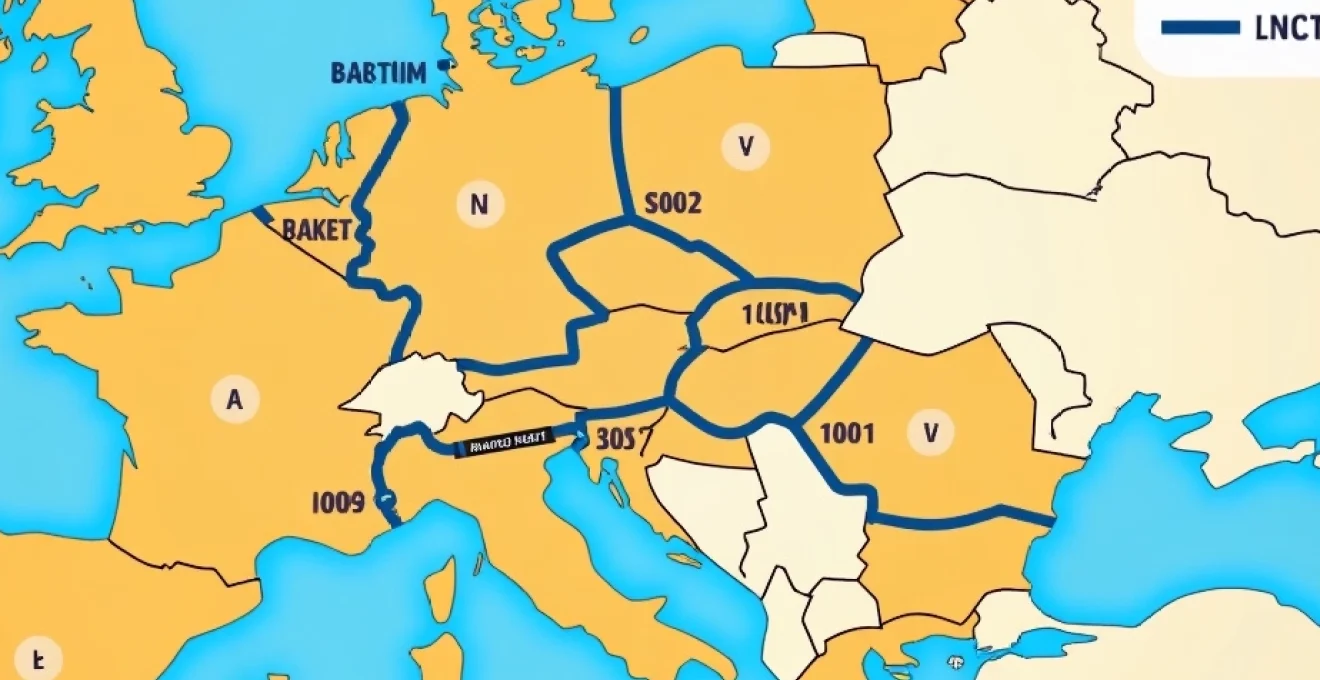
The railway connection between Amsterdam and Switzerland represents one of Europe’s most sophisticated international rail corridors, combining Dutch efficiency with Swiss precision across multiple national borders. Modern travellers seeking sustainable transport options will find that train travel offers unparalleled comfort, scenic beauty, and environmental benefits compared to air travel. The journey spans approximately 800 kilometres through some of Europe’s most industrialised regions, passing through Germany’s economic heartland before ascending into the Alpine foothills of Switzerland.
Multiple route options cater to different preferences, whether you prioritise speed, comfort, or scenic value. The infrastructure connecting these two nations has evolved significantly over the past decade, with high-speed rail networks, improved cross-border coordination, and enhanced digital ticketing systems transforming the passenger experience. Journey times have decreased substantially , with the fastest connections now completing the Amsterdam-Basel route in under eight hours.
Direct High-Speed rail connections via deutsche bahn ICE services
The most efficient route between Amsterdam and Switzerland utilises Deutsche Bahn’s Intercity Express (ICE) network, which provides a seamless connection with minimal transfers. This service represents the pinnacle of European cross-border rail cooperation, combining three national railway systems into a coordinated timetable that maximises passenger convenience.
Amsterdam centraal to basel SBB via cologne and frankfurt route analysis
The primary ICE International route departs Amsterdam Centraal station daily at approximately 08:02, following a carefully optimised path through Germany’s major urban centres. The train reaches Utrecht Central within 30 minutes, where it briefly stops before continuing southeast through Arnhem and crossing into Germany at the Bad Bentheim border checkpoint. Travel time from Amsterdam to Basel SBB station totals approximately 7 hours and 45 minutes , making this the fastest reliable connection between the Netherlands and Switzerland.
The route traverses Germany’s North Rhine-Westphalia region, passing through Düsseldorf and Cologne before entering the high-speed Frankfurt-Cologne corridor. This section allows the ICE train to reach speeds of up to 300 kilometres per hour, significantly reducing overall journey time. After Frankfurt am Main, the service continues through Mannheim and Karlsruhe before reaching the Rhine Valley approach to Basel.
Intercity express rolling stock configuration for Cross-Border operations
ICE International trains operating on the Amsterdam-Basel route utilise specially configured ICE 3M (multi-system) trainsets designed for cross-border operations. These 200-metre-long trains accommodate up to 444 passengers across first and second-class compartments, with power outlets at every seat and complimentary Wi-Fi throughout the journey. The trains feature advanced climate control systems, wheelchair accessibility, and dedicated spaces for bicycles and large luggage.
First-class passengers benefit from wider seats arranged in a 2+1 configuration, complimentary meals served at seat, and access to DB Lounge facilities at major stations. Second-class accommodation provides excellent comfort standards with 2+2 seating and ample legroom. The trains incorporate noise reduction technology and smooth ride systems that minimise fatigue during extended journeys.
Real-time journey planning through DB navigator and NS international integration
Digital integration between Nederlandse Spoorwegen (NS) and Deutsche Bahn has created a unified booking and information system that simplifies international travel planning. The DB Navigator mobile application provides real-time updates, platform information, and delay notifications for the entire Amsterdam-Basel journey. Passengers can access live GPS tracking, onboard services information, and connection details through a single interface.
The system automatically adjusts recommendations based on operational disruptions, suggesting alternative routes or connections when necessary. Mobile ticketing eliminates paper tickets entirely , with QR codes stored securely in smartphone applications. Advanced algorithms optimise seat reservations based on passenger preferences and carriage occupancy patterns.
Border control procedures at bad bentheim and basel badischer bahnhof
Cross-border formalities have been streamlined significantly within the Schengen Area, though random customs and immigration checks occasionally occur at key border points. The Bad Bentheim crossing between the Netherlands and Germany typically involves minimal delays, with most passengers unaware of the transition between national railway systems. Documentation requirements remain minimal for EU citizens, though non-EU travellers should carry valid identification throughout the journey.
Basel presents a unique challenge as the city hosts three separate railway stations serving different national networks. Basel SBB (Swiss Federal Railways), Basel Bad Bf (German railways), and Basel SNCF (French railways) create complex arrival scenarios depending on your final Swiss destination. Most ICE International services terminate at Basel SBB , providing optimal connections to Swiss domestic services.
Multi-modal transfer routes through german railway hubs
Alternative routing options through Germany’s extensive railway network provide flexibility for travellers with specific timing requirements or intermediate destinations. These routes typically involve one or two connections but offer access to a broader range of Swiss cities and potentially lower fares through competitive pricing structures.
Amsterdam-cologne-zurich corridor via düsseldorf and mannheim junctions
The Amsterdam-Cologne segment utilises ICE International services, completing the 230-kilometre journey in approximately 2 hours and 45 minutes. Cologne Hauptbahnhof serves as a major interchange point with multiple onward connections to Swiss destinations operating throughout the day. The cathedral city provides excellent facilities for transfer passengers, including shops, restaurants, and comfortable waiting areas.
From Cologne, ICE and IC services continue through Bonn, Koblenz, and Mannheim before reaching the Rhine Valley approach to Switzerland. This routing adds approximately 60 minutes to the total journey time compared to the direct Amsterdam-Basel service, but provides opportunities to explore additional German cities. The scenic Rhine Valley section between Mainz and Basel offers spectacular views of vineyards, castles, and river traffic.
Frankfurt am main hauptbahnhof as strategic interchange for swiss destinations
Frankfurt am Main represents Europe’s most important railway junction for international connections, with over 450,000 passengers daily utilising its 24 platforms and extensive underground shopping complex. The station provides direct connections to major Swiss cities including Zurich, Basel, and Bern through multiple daily services operated by Deutsche Bahn and Swiss Federal Railways.
ICE trains from Amsterdam reach Frankfurt in approximately 4 hours, where passengers can connect to onward Swiss services with transfer times ranging from 15 to 45 minutes. The station’s advanced passenger information systems provide real-time updates in multiple languages, while automated walkways and lift systems facilitate movement between platforms. Frankfurt’s central location makes it an ideal hub for exploring multiple Swiss destinations during extended European rail journeys.
Stuttgart-st. margrethen alpine gateway connection analysis
The Stuttgart routing provides access to Switzerland’s eastern cantons through the St. Margrethen border crossing, offering connections to St. Gallen, Zurich, and eventually the Grisons region. This route appeals particularly to travellers continuing to Austria or eastern Switzerland, as it avoids the congested Basel hub and provides more direct access to Alpine destinations.
Journey times via Stuttgart typically extend 60 to 90 minutes beyond the Frankfurt routing, but the eastern approach offers superior connections to destinations such as Chur, Davos, and St. Moritz. The route crosses the Bodensee (Lake Constance) region, providing scenic lakeside views before ascending into the Swiss plateau. This routing proves particularly advantageous during peak travel periods when Basel connections experience capacity constraints.
Platform-to-platform transfer times at major continental railway stations
European railway stations are designed to facilitate efficient passenger transfers, with minimum connection times calculated based on platform distances, passenger flow patterns, and accessibility requirements. Amsterdam Centraal provides 8-minute minimum connections for domestic services and 15-minute minimums for international departures, accounting for customs and immigration procedures.
German stations typically require longer transfer times due to their size and complexity. Frankfurt am Main recommends minimum 20-minute connections for international services, while Cologne Hauptbahnhof suggests 15-minute minimums for domestic transfers. Swiss stations maintain the shortest connection times , with Basel SBB requiring only 3-5 minutes for platform-to-platform transfers due to efficient design and precise scheduling.
Luggage handling protocols for international Multi-Segment journeys
Self-service luggage handling remains the standard for European rail travel, with passengers responsible for managing their belongings throughout multi-segment journeys. Modern trains provide generous luggage storage areas above seats, at carriage ends, and in dedicated bicycle/large luggage compartments. Weight restrictions typically limit individual items to 30 kilograms, though enforcement varies between operators.
Some premium services offer luggage assistance, particularly for elderly or disabled passengers. ICE trains feature dedicated spaces for wheelchairs, pushchairs, and oversized items, while reservation systems allow advance booking of these spaces. Luggage security remains the passenger’s responsibility , though CCTV monitoring and onboard staff presence provide deterrence against theft.
Night train services and sleeper car configurations
Overnight rail services between Amsterdam and Switzerland have experienced a remarkable renaissance, driven by environmental concerns and improved service quality. Modern sleeper trains offer comfortable accommodation options that transform travel time into rest time, arriving refreshed at your Swiss destination without requiring hotel accommodation.
European sleeper Amsterdam-Zurich route launch timeline and service frequency
European Sleeper commenced direct Amsterdam-Zurich night train services in 2024, operating three times weekly during peak season and twice weekly during winter months. The service departs Amsterdam Centraal at approximately 20:30, arriving in Zurich Hauptbahnhof around 09:00 the following morning. This schedule maximises both departure and arrival convenience , avoiding very early morning or late evening inconveniences.
The route utilises refurbished rolling stock configured specifically for overnight travel, with enhanced sound insulation, improved climate control, and modern safety systems. Intermediate stops include Utrecht, Cologne, Frankfurt, and Basel, allowing passengers to board or disembark at multiple German cities. The service represents a significant investment in sustainable long-distance transport, with passenger loads consistently exceeding 80% capacity.
ÖBB nightjet compartment types and reservation systems
Austrian Federal Railways (ÖBB) operates Nightjet services connecting Amsterdam to Austrian and Swiss destinations via German cities. The fleet utilises modern sleeper cars with three accommodation categories: seated carriages, couchette compartments, and private sleeper cabins. Seated accommodation provides the most economical option , with reclining seats and basic amenities suitable for budget-conscious travellers.
Couchette compartments accommodate four or six passengers in shared spaces with fold-down bunks, pillows, and blankets included in the fare. Private sleeper cabins offer single or double occupancy with en-suite washing facilities, individual climate control, and complimentary breakfast service. Advanced reservation systems allow specific compartment selection and special meal requests up to 24 hours before departure.
Couchette vs private sleeper cabin pricing structure analysis
Pricing for overnight services varies significantly based on accommodation type, booking timing, and seasonal demand patterns. Seated fares typically start from €40-60 for Amsterdam-Basel routings, while couchette accommodations range from €70-120 depending on sharing arrangements and service level. Private sleeper cabins command premium pricing from €150-300 per person, reflecting the enhanced privacy and comfort provided.
Dynamic pricing algorithms adjust fares based on demand patterns, with early bookings often securing substantial discounts. Weekend departures and holiday periods attract higher fares, while midweek services offer better value. Flexible fare options allow changes and cancellations with varying penalty structures, appealing to business travellers with uncertain schedules.
Night train travel has evolved from a necessity to a luxury experience, combining sustainable transport with comfortable accommodation in a uniquely European travel tradition.
Onboard catering services and breakfast delivery protocols
Modern sleeper trains provide various catering options ranging from self-service facilities to full meal service depending on accommodation type. Restaurant cars typically operate until midnight, serving hot meals, beverages, and snacks with emphasis on local and regional specialities. Breakfast service begins around 06:30 , with options delivered directly to sleeper compartments or available in the restaurant car.
Special dietary requirements can be accommodated with advance notice, including vegetarian, vegan, and gluten-free options. Beverages include local beers, wines, and spirits alongside standard soft drinks and hot beverages. Premium accommodation includes complimentary breakfast, while other passengers can purchase continental breakfast packages or individual items from the restaurant car menu.
Swiss federal railways integration and ticketing systems
Switzerland’s railway system represents one of the world’s most punctual and comprehensive networks, with seamless integration between national, regional, and local services. The Swiss Federal Railways (SBB) coordinates with international operators to provide through-ticketing options and guaranteed connections for passengers arriving from neighbouring countries. The Swiss Travel System encompasses trains, buses, and boats under unified pricing and scheduling systems that simplify multi-modal journeys throughout the country.
Digital integration allows real-time journey planning across the entire Swiss network, with mobile applications providing live updates, platform information, and service disruption notifications. The Swiss Travel Pass offers unlimited travel within Switzerland for periods ranging from 3 to 15 days, including most mountain railways and urban transport systems. International passengers can purchase these passes before departure or upon arrival at major border stations such as Basel SBB.
Pricing structures reflect Switzerland’s premium service standards, with fares calculated on distance-based algorithms that account for infrastructure investment and operating costs. Half-fare cards provide 50% discounts on most domestic services and prove cost-effective for extended Swiss travel. The reservation system allows seat selection on most services, though reservations are mandatory only on international trains and certain scenic routes during peak periods.
Switzerland’s commitment to public transport excellence creates a seamless travel experience that extends far beyond the railway network to encompass the entire country’s transport infrastructure.
Seasonal route variations and alpine weather contingencies
Seasonal variations significantly impact both route availability and journey experiences when travelling to Switzerland by rail. Winter conditions in the Alpine regions can affect certain mountain services, though main line connections remain reliable throughout the year. Snow clearance protocols and winter equipment ensure that international services maintain schedules despite challenging weather conditions. Summer timetables typically offer increased frequency on popular routes, accommodating higher tourist demand and providing more flexible travel options.
Spring and autumn periods provide optimal travel conditions with mild weather, clear Alpine views, and reduced passenger volumes on most services. The shoulder seasons offer excellent value for money, with lower accommodation costs and fewer crowds at major tourist destinations. Weather monitoring systems provide advance warnings of potential disruptions, allowing passengers to adjust travel plans accordingly.
Mountain railway connections within Switzerland operate seasonal schedules that align with tourist patterns and weather conditions. Many high-altitude routes suspend services during winter months, while others operate with reduced frequency or special winter equipment. The Glacier Express and Bernina Express maintain year-round operations with heated carriages and panoramic windows designed for winter viewing. Advanced booking becomes essential during peak ski season and summer hiking periods when demand exceeds capacity on popular scenic routes.
Emergency protocols address severe weather events including avalanches, floods, and extreme temperatures that occasionally affect Alpine rail operations. Alternative routing options through different mountain passes ensure service continuity, while bus replacement services maintain connectivity to isolated communities. Climate change impacts have prompted infrastructure investments in flood protection, landslide prevention, and extreme weather resilience measures across the entire Swiss rail network.
Cost-benefit analysis of rail passes versus Point-to-Point ticketing
The economic comparison between rail passes and individual ticket purchases depends heavily on travel patterns, advance booking capabilities, and flexibility requirements. Eurail passes covering multiple countries provide excellent value for extensive European journeys, with the Global Pass including access to 33 countries for periods ranging from 15 days to 3 months. Break-even analysis typically favours passes for journeys exceeding 4-5 long-distance segments within the validity period, particularly when combined with accommodation and meal discounts offered at partner establishments.
Point-to-point ticketing offers advantages for travellers with fixed itineraries and advance booking capabilities. Early booking discounts can reduce individual ticket costs by 25-50% compared to full-price fares, making passes less attractive for budget-conscious travellers with flexible timing. Super Saver fares and promotional pricing often undercut pass prices for popular routes, though these tickets typically include restrictions on changes and cancellations.
Swiss-specific passes such as the Swiss Travel Pass or Swiss Half Fare Card provide
excellent value for travelers planning extensive Swiss exploration. The Swiss Travel Pass includes unlimited travel on trains, buses, and boats throughout the country, plus free admission to over 500 museums and discounts on mountain railways. Cost-effectiveness improves significantly for stays exceeding 4-5 days with multiple intercity journeys planned. The pass eliminates the complexity of purchasing individual tickets while providing flexibility to change plans without penalty.
Flexible pass options accommodate different travel styles, with consecutive day passes offering the best value for intensive travel periods, while flex passes allow non-consecutive usage over extended periods. Youth discounts of up to 35% make passes particularly attractive for travelers under 26, while group discounts apply for parties of 6 or more passengers. Digital pass distribution through mobile applications eliminates physical voucher requirements and enables immediate activation upon arrival.
The psychological benefits of pass ownership often outweigh pure financial considerations, as travelers report feeling more adventurous and spontaneous when transport costs are pre-paid. This “sunk cost” effect encourages exploration of destinations that might otherwise seem expensive or inconvenient. Pass holders also benefit from priority boarding privileges, dedicated customer service lines, and access to exclusive partner discounts throughout Switzerland and neighboring countries.
Regional variations in pricing structures can significantly impact cost-effectiveness calculations. Peak season travel in popular tourist areas commands premium pricing for individual tickets, while pass prices remain constant throughout the year. Conversely, off-season promotional fares on specific routes may offer better value than passes for targeted journeys. Weather-dependent mountain railway operations can affect pass value, particularly during shoulder seasons when some high-altitude routes operate reduced schedules.
The true value of a rail pass extends beyond pure economics to encompass freedom, flexibility, and the confidence to explore Europe’s railway network without constant fare calculations.
Currency fluctuations between the Euro, Swiss Franc, and other European currencies can affect relative pricing for international travelers. Pass purchases in advance allow budget certainty, while point-to-point tickets expose travelers to exchange rate variations throughout their journey. Payment method considerations include credit card foreign transaction fees, dynamic currency conversion charges, and the availability of contactless payment systems at ticket machines and aboard trains.